
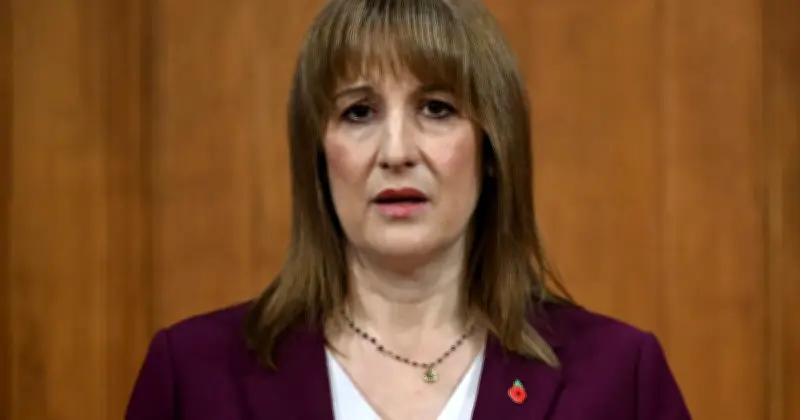
Chancellor Rachel Reeves has left British motorists facing significantly higher costs, with a series of tax increases that many say will never be forgiven. Over the past two years, since Labour took office, road users have been hit with repeated tax hikes, including doubled Vehicle Excise Duty (VED) rates and a new pay-per-mile charge for electric vehicles (EVs).
Doubled VED Rates Hit New Car Buyers
In April 2025, first-year VED rates for petrol and diesel cars doubled overnight. For example, the cost to tax a new combustion car emitting over 255g/km of CO2 jumped from £2,745 to £5,490. This was not a routine inflation adjustment but a deliberate policy to discourage purchase of high-emission vehicles. An additional £200 increase followed earlier this year.
According to Luke Chillingsworth, Cars Reporter, the mission was clear: raise fees to deter polluting cars and push drivers toward battery-electric models. However, critics argue that subsequent policies have undermined this goal.
Electric Vehicles Lose Exemptions
The Conservative government had announced in 2022 that EVs would lose their tax exemption, but Reeves chose not to reverse the decision. As a result, EVs with a list price over £40,000 faced an extra £425 Expensive Car Supplement for five years, totaling £2,125. After criticism that few family EVs were available under that price, the threshold was raised to £50,000—a move described as another U-turn.
Pay-Per-Mile Charge Planned From 2028
Reeves has also revealed plans for a new electric Vehicle Excise Duty (eVED), a pay-per-mile charge of 3p per mile for EVs from 2028, with hybrids paying 1.5p per mile. The Office for Budget Responsibility (OBR) has warned that this could lead to the sale of 440,000 additional electric cars, a counterproductive outcome if the aim was to boost EV adoption.
The Chancellor's policies have left motorists with higher taxes and bigger bills just to drive, ensuring she will never be forgiven by the UK's 42 million road users.




