
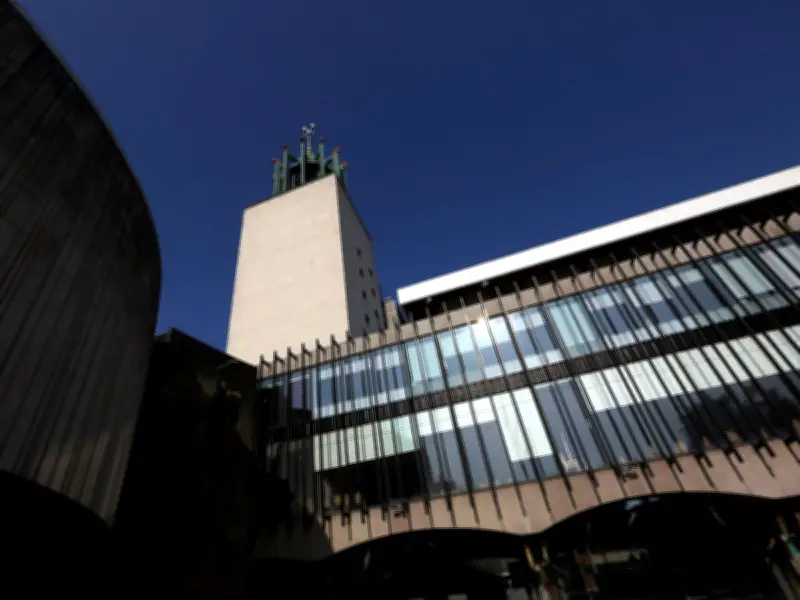
Fresh concerns have emerged over a series of multi-million pound deficits at Newcastle City Council. The city’s new leadership warned this week of significant financial pressures on social care, children’s services, and the local authority’s commercial property portfolio.
It comes after it emerged that only an “extraordinary” payment from Newcastle International Airport saved the city council from overspending its 2025/26 budget by almost £7 million. Newcastle’s Liberal Democrats, who are now running the Civic Centre in a minority administration following May’s local elections, said the former Labour administration came close to leaving them with a “hole” in the council’s finances.
A report presented to the council’s new cabinet on Monday evening confirmed that the authority came in almost £500,000 under budget for the last financial year. However, it warned that position was only possible because of a “one off” dividend of £7.2 million arising from the refinancing of the airport’s debt, under a £364 million deal announced last December.
Newcastle is one of the seven local authorities who together own a 51% stake in the airport, with the minority shareholding being sold from InfraBridge to Spanish firm Aena last year. Without that dividend, Newcastle City Council would have reported an overall overspend of £6.7 million – with continuing worries over ongoing pressures in numerous departments, particularly the rising demand for and cost of social care.
The rising number and complexity of care packages, including dementia support, was pinpointed as a key factor in a £5.9 million overspend with the city’s adult social care services. Children’s Social Care had an overspend of £7.6 million “due mainly to increased costs of providing services to children in care, especially external fostering placements, external residential placements, children with disabilities and increased costs of staffing of in-house residential services”.
And concerns remain over major council assets like the Partnership House offices in Gosforth, the Core building at the Newcastle Helix, and Higham House in the city centre all running at a substantial loss.
Mark Mitchell, the Lib Dems’ new deputy council leader, said: “Had it not been for that [£7.2m airport dividend], Labour would have left us with approximately a £7m hole in the finances as they left power. I won’t go into what another administration did and talk about that for the next year and a half, but it does give you an idea of the financial difficulties the council could be facing.”
Council leader Colin Ferguson added: “There are some difficult numbers in there. But it is clear that there has been a lot of hard work going on to address some of the budget pressures we have in key areas. I have made no secret of the fact that we think it is a difficult inheritance we will have to deal with. But we will have to tackle it as fully and comprehensively as we can.”
Christine Morrissey, the Lib Dems’ cabinet member for children, education and families, said the party would be pursuing “invest to save” opportunities to get “the best for every penny we spend” – including specialist care provision for young people to avoid them needing to be sent to expensive facilities outside Newcastle.
Coun Ged Bell, leader of Newcastle Labour group, told the Local Democracy Reporting Service: “As Councillor Mitchell has kindly pointed out, the previous Labour administration left a balanced budget. The Lib Dems should be focused on running Newcastle instead of being worried about 'what ifs' of the past.”




