

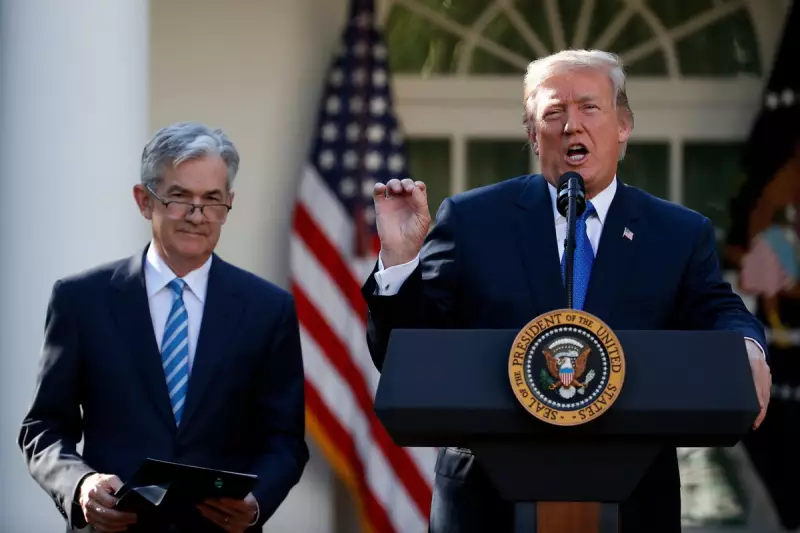
In a powerful display of international unity, the governor of the Bank of England, Andrew Bailey, has joined ten other global central bank leaders to publicly express their "full solidarity" with US Federal Reserve Chairman Jerome Powell. This show of support comes as Powell faces the unprecedented threat of a criminal investigation from the Trump administration.
A Unified Front for Central Bank Independence
The coordinated statement, issued on Tuesday 13 January 2026, was signed by an elite group of financial stewards. Alongside Andrew Bailey, the signatories include European Central Bank President Christine Lagarde and the heads of central banks in Sweden, Denmark, Switzerland, Australia, Canada, South Korea, and Brazil.
The bankers' collective message is unambiguous. "The independence of central banks is a cornerstone of price, financial and economic stability in the interest of the citizens that we serve," the declaration reads. It emphasises that preserving this autonomy, while respecting the rule of law and democratic accountability, is critical.

The Trigger: Threats Over Testimony
The extraordinary intervention was prompted by Chairman Powell's own revelation. He stated that the Federal Reserve was being threatened with a criminal indictment. This relates to his past testimony concerning renovation projects at the central bank's office buildings.
In their statement, the global bankers offered strong personal backing for Powell, describing him as a "respected colleague who is held in the highest regard." They praised his service with "integrity, focused on his mandate and an unwavering commitment to the public interest."
Broader Context of Political Pressure
Powell himself framed the threat as part of a wider pattern. In a video statement, he suggested this "unprecedented action should be seen in the broader context of the administration's threats and ongoing pressure." He argued that such moves fundamentally undermine the Fed's operational independence.
The statement from the world's central bankers marks a significant diplomatic rebuke. It highlights deep-seated concerns that political interference could destabilise the global financial architecture. President Donald Trump has repeatedly criticised Powell and the Fed for not cutting US interest rates as rapidly as he desires, adding a contentious backdrop to the current crisis.
This collective action underscores a rare consensus: the perceived attack on the Fed's chairman is viewed in international circles as an assault on a fundamental principle of modern economics.






