

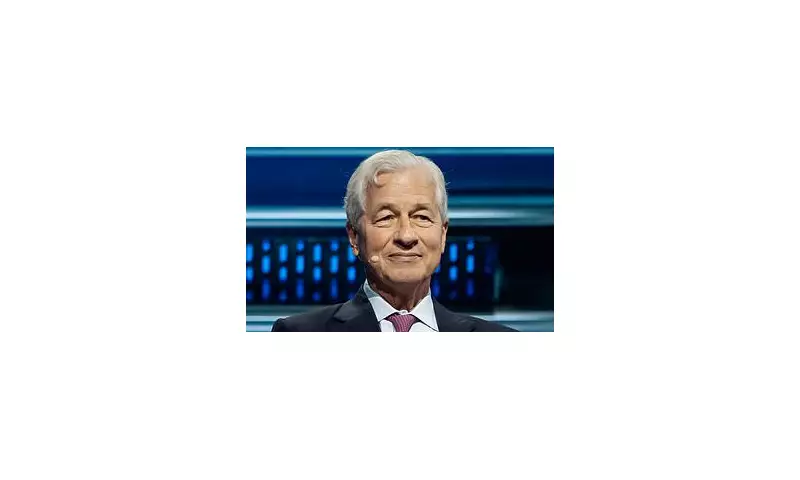
Jamie Dimon, the influential chief executive of banking giant JP Morgan Chase, has issued a stark warning that political attacks on the Federal Reserve's independence could severely backfire on the US economy.
Dimon Defends Fed Independence Amid Political Pressure
Speaking to journalists on Tuesday following the release of his bank's fourth-quarter earnings, Dimon delivered a robust defence of the central bank and its chair, Jerome Powell. He expressed concern over recent criticism emanating from the Trump administration, suggesting such moves undermine a cornerstone of economic stability.
"Everyone we know believes in Fed independence, and so do we, and anything that chips away at that is probably not a great idea," the veteran banker stated unequivocally. His comments come amid heightened scrutiny of the Fed's monetary policy decisions from political figures.

Reverse Consequences: A Risk to Inflation and Rates
Dimon went further, outlining the potential economic fallout from sustained political pressure on the institution. He argued that efforts to influence the Fed could produce the opposite of the intended effect, creating new economic headwinds.
"And in my view, it will have the reverse consequences. It will raise inflation expectations and probably increase rates over time," Dimon cautioned. This warning highlights a critical risk: that markets could lose confidence in the Fed's ability to combat inflation impartially, leading to higher long-term borrowing costs for consumers and businesses.
Respect for Powell Amid Policy Disagreements
While making his stance on institutional independence clear, Dimon was careful to separate the office from the individual. He acknowledged that he does not agree with every decision the Federal Reserve has made under Powell's leadership.
Nevertheless, he paired this with a personal endorsement, stating, "I do have enormous respect for Jay Powell the man." This nuanced position underscores a belief that the Fed's autonomy is paramount, even when specific policy choices are debated.
The intervention from one of the world's most prominent banking leaders serves as a significant moment in the ongoing dialogue about the separation of monetary policy from political influence. Dimon's analysis suggests that the true cost of political pressure may be paid through higher inflation and increased interest rates, impacting the broader economy.






