

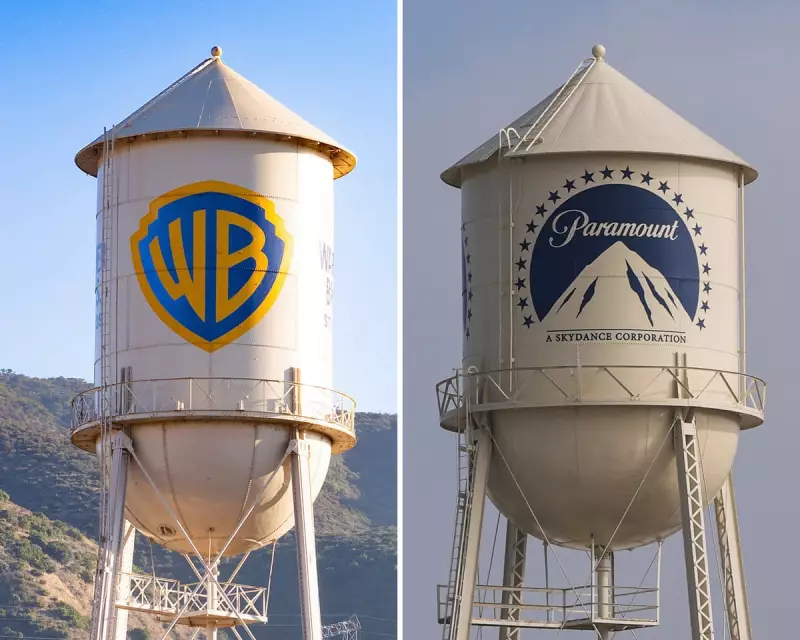
In a move set to reshape the global media landscape, shareholders of Warner Bros have given their decisive backing to a proposed acquisition of rival studio Paramount. The vote, held on Tuesday, paves the way for one of the most significant consolidations in recent entertainment history.
The Shareholder Verdict and Deal Structure
The proposal received overwhelming support from Warner Bros investors, clearing a critical hurdle for the ambitious takeover. The deal, which has been the subject of intense speculation for weeks, is structured as a stock-and-cash transaction valued in the tens of billions of dollars. This strategic acquisition aims to combine Warner Bros' formidable portfolio, which includes the DC Universe and HBO, with Paramount's iconic franchises such as Star Trek and Mission: Impossible.
The final shareholder vote saw a clear majority in favour, demonstrating strong confidence in the management's vision for a merged entity capable of competing with streaming giants like Netflix and Disney+. Key figures from both boardrooms have been instrumental in negotiating the terms, arguing that scale is essential for survival in the current competitive market.

Strategic Motivations and Market Challenges
The primary driver behind this bold move is the relentless pressure from the direct-to-consumer streaming model. Both companies have invested heavily in their own platforms—Paramount+ and Max—but have faced challenges in achieving profitability and subscriber growth at the pace of the market leaders. By joining forces, the combined company hopes to achieve substantial cost savings, reduce content spending overlaps, and wield greater leverage in negotiations with distributors and talent.
Industry analysts point to the potential for a vast, unified content library that could become a major draw for subscribers worldwide. However, the path forward is not without its obstacles. Regulatory scrutiny is expected to be rigorous, with competition authorities in both the United States and the United Kingdom likely to examine the implications for market plurality and consumer choice. Furthermore, integrating two distinct corporate cultures and massive legacy operations presents a significant management challenge.
Implications for the Industry and What Comes Next
The successful shareholder vote is a pivotal step, but it is far from the final one. The focus now shifts to securing the necessary regulatory approvals, a process that could take several months. If greenlit, the merger would create a new entertainment behemoth, altering the dynamics of film production, television broadcasting, and digital streaming.
For consumers, the immediate impact may be subtle, but long-term changes could include shifts in where and how content is available, potential adjustments to subscription pricing, and the future of beloved franchises. The deal also sends a clear signal to the rest of the industry: consolidation is seen by many executives as a key strategy for navigating the turbulent post-pandemic media environment. The coming year will be decisive in determining whether this mega-merger fulfills its promise of creating a stronger, more competitive global player.






