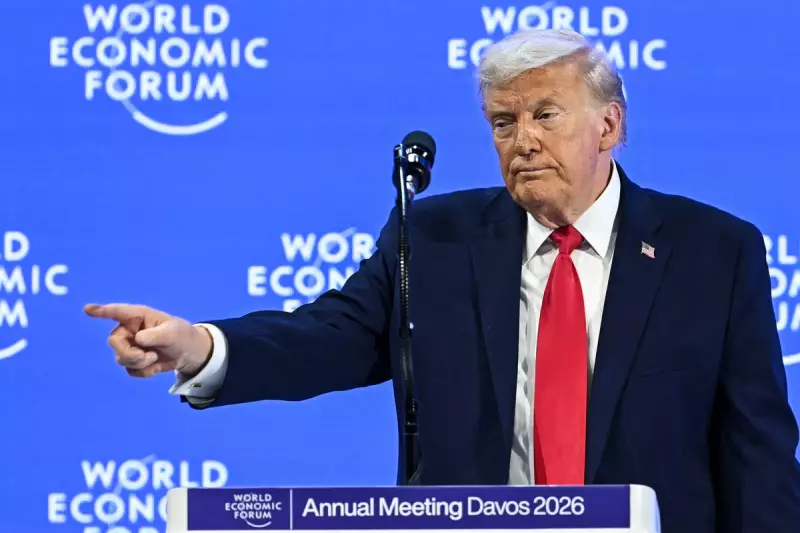
Former US President Donald Trump has escalated his legal battle with the financial sector by filing a substantial $5 billion lawsuit against JPMorgan Chase, the largest lender in the United States. The lawsuit, lodged in a Florida state court, accuses the banking giant of engaging in what Trump describes as "debanking"—a practice where accounts are terminated without warning or recourse.
Allegations of Political Motivation
The core of Trump's legal complaint centres on the allegation that JPMorgan Chase unilaterally closed several of his personal and business accounts, including those linked to his hospitality companies. Trump contends that this action was politically motivated, directly following the January 6 attack on the U.S. Capitol, an event that has been a focal point of controversy during his presidency and beyond.
Bank's Firm Rebuttal
In response to the lawsuit, JPMorgan Chase has issued a strong rebuttal, stating that it believes the case has no legal merit. The bank clarified its position, emphasising that it does not close accounts based on political or religious affiliations. Instead, JPMorgan Chase asserts that such decisions are driven solely by assessments of legal or regulatory risks, a standard practice in the banking industry to ensure compliance and mitigate potential liabilities.

Broader Scrutiny on Debanking Practices
This lawsuit brings the issue of "debanking" into sharp focus, a practice that has increasingly drawn political and public scrutiny. Banks across the United States have faced mounting pressure, particularly from conservative circles, who allege discrimination against certain sectors or individuals based on political views. The case highlights ongoing tensions between financial institutions' risk management protocols and accusations of bias, sparking debates over transparency and fairness in banking operations.
Implications for Financial Regulation
The legal action could have significant implications for how banks handle account closures and risk assessments. If the case proceeds, it may set precedents regarding the boundaries of banks' discretion in terminating accounts and the evidence required to prove political motivations. This comes at a time when regulatory bodies are already examining debanking practices more closely, potentially leading to stricter guidelines or oversight to prevent alleged abuses.
As the lawsuit unfolds, it is expected to attract widespread attention, not only for its high-profile plaintiff and defendant but also for its potential to reshape discussions around financial inclusion, political expression, and corporate accountability in the banking sector.