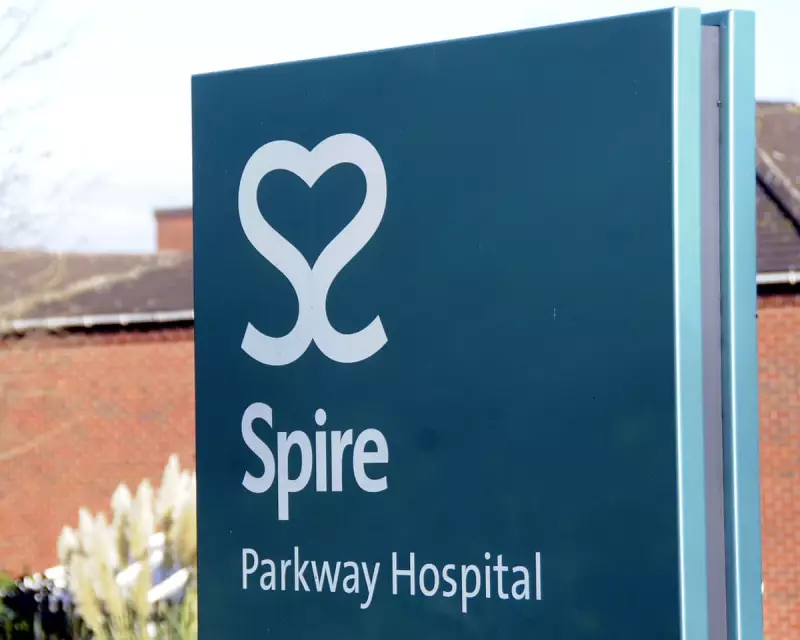
Spire Healthcare in Private Equity Takeover Talks as Shares Surge
The UK's largest private hospital provider, Spire Healthcare, has confirmed it is engaged in preliminary discussions with private equity firms regarding a potential sale that could lead to its delisting from the London Stock Exchange. The news sent shares in the FTSE 250 company soaring by 18% on Monday, valuing the business at close to £850 million.
Private Equity Interest and Strategic Review
In a statement released on Monday, Spire revealed that Bridgepoint Advisers and Triton Investments Advisers are among the parties with which it is holding talks. The company emphasised that discussions are at an early stage and cautioned that there is no certainty a formal offer will be made.
This development follows a strategic review of operations first announced by Spire in September. The review was initiated to explore various options, including a potential sale of the business, after pressure from investors. Notably, Harwood Capital Management had previously argued that Spire's share price failed to reflect the underlying value of its assets, particularly its unencumbered hospital portfolio, estimated to be worth over £1.4 billion.

Spire's National Footprint and Business Model
Spire Healthcare operates an extensive network of 38 hospitals and more than 50 clinics, medical centres, and consulting rooms across England, Wales, and Scotland. Founded in 2007 through the acquisition and rebranding of 25 Bupa hospitals, the company was floated on the stock market in 2014. It has since expanded through further acquisitions and the construction of new hospitals in Manchester and Nottingham.
The company's business model relies on a mix of private pay, health insurance, and NHS-contracted work. NHS services constitute approximately 30% of Spire's revenue, providing a steady income stream. However, the company recently warned that its annual adjusted core profit would be at the lower end of its guidance range of £270 million to £285 million. It cited a slowdown in NHS work, attributing this to budgetary restrictions at integrated care boards and an NHS tariff uplift proposal for 2026-27 that it claims falls significantly short of inflation.
Broader Context and Political Scrutiny
The potential takeover occurs against a backdrop of growing debate about the role of private providers within the UK healthcare system. Spire's Chief Executive, Justin Ash, has promoted a vision of an "integrated system" where private chains help reduce NHS waiting lists and support economic growth by returning long-term sick patients to work.
Nevertheless, there are mounting public and professional concerns about the creeping privatisation of the NHS and the risk of a two-tier health system where access to treatment becomes dependent on wealth. Health Secretary Wes Streeting has defended the increased use of private sector capacity but has insisted that providers must "pull their weight" and ensure they do not divert resources away from the National Health Service.
The board of Spire Healthcare, chaired by former Kingfisher boss Sir Ian Cheshire, continues to oversee the strategic review as the company navigates these complex market dynamics and stakeholder expectations.