
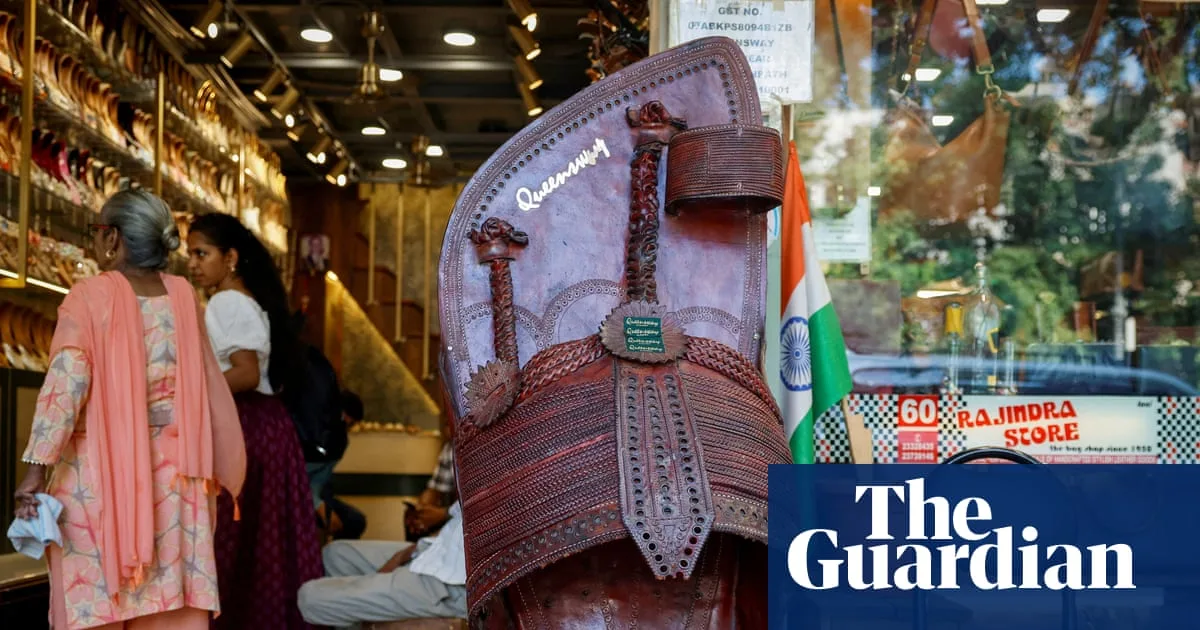
Italian fashion house Prada has acknowledged that its new leather sandal design was inspired by India's traditional Kolhapuri chappals, following criticism over cultural appropriation. The admission came in a letter from Lorenzo Bertelli, the company's corporate social responsibility chief, to the Maharashtra chamber of commerce after the chamber complained on behalf of thousands of Kolhapuri sandal-makers.
The controversy erupted after Prada's Milan runway show featured open-toe footwear virtually identical to the unisex Indian original, described only as 'leather flat sandals'. The Kolhapuri sandal, handcrafted from buffalo hide with a distinctive braided T-strap, has a centuries-old heritage and was granted geographical indication status by the Indian government in 2019.
Critics accused Prada of cashing in on Indian culture without credit or compensation. While the sandals cost about £8.75 in India, Prada's version retails for upwards of $800. 'Indian artisans lose, while global brands cash in on our culture,' said Harsh Goenka, chair of the RPG Group. The chamber president, Lalit Gandhi, called for 'collaboration or fair compensation'.
Bertelli replied that the sandals were still in the 'early' design stage, but Prada was willing to open a 'dialogue for meaningful exchange with local Indian artisans'. Some commentators, like former World Bank executive director Dhanendra Kumar, argued that by not calling the sandals 'Kolhapuris', Prada was 'guilty of monetising cultural appropriation'.
Despite the backlash, the row may have an unexpected upside. Sales of Kolhapuri sandals in India have plateaued, but local designers believe the global spotlight could boost interest, especially among younger consumers. Google Trends has already shown a rise in searches, and retailers report surging demand.




