

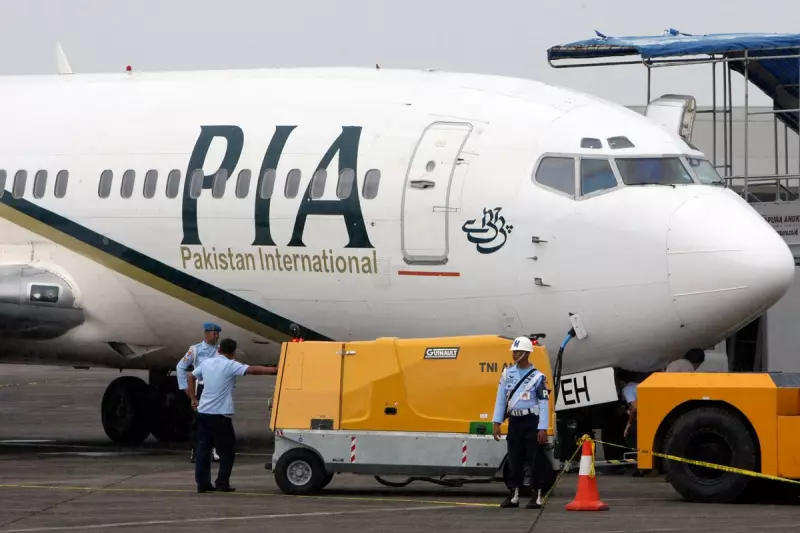
A major step in Pakistan's economic reform agenda has been taken with the sale of a controlling stake in its national airline. A consortium of investors has successfully purchased a majority shareholding in Pakistan International Airlines (PIA), moving the long-struggling carrier into private hands.
Winning Bid Secures Future of National Carrier
On Tuesday 23 December 2025, a consortium led by Pakistani investment firm Arif Habib emerged victorious in a televised auction. The group submitted the winning bid of 135 billion Pakistani rupees (approximately $482 million or £380 million) to acquire a 75% stake in the state-run airline.
Finance Minister Muhammad Aurangzeb presided over the bidding ceremony, describing the process as transparent and competitive. He expressed optimism that the new ownership would be instrumental in reviving the fortunes of the airline, which was once considered a premier carrier in the region.

IMF Reforms and a Troubled Legacy
This sale fulfils a critical condition set by the International Monetary Fund (IMF), which has persistently urged Pakistan to privatise the loss-making airline. The move is a cornerstone of the broader economic reforms attached to the country's international bailout programmes.
PIA's decline has been attributed to decades of financial mismanagement, political interference, and severe overstaffing. The airline currently employs around 300 workers per aircraft across its fleet of 32 planes, one of the highest ratios in global aviation. For context, most efficient airlines operate with fewer than 200 employees per aircraft.
The auction comes at a tentative moment of recovery for PIA. Just two months prior, the airline resumed direct flights to Europe after the European Union Aviation Safety Agency (EASA) lifted a four-year ban. The safety ban was imposed in 2020 following a tragic crash in Karachi that claimed 97 lives.
A New Chapter for PIA
The acquisition by the Arif Habib consortium represents a decisive break from the airline's troubled past. While the path to profitability remains steep, the privatisation marks the end of a long-delayed process and aligns Pakistan with key IMF directives. The focus now shifts to whether private sector management can streamline operations, improve safety perceptions, and restore PIA to its former standing.






