

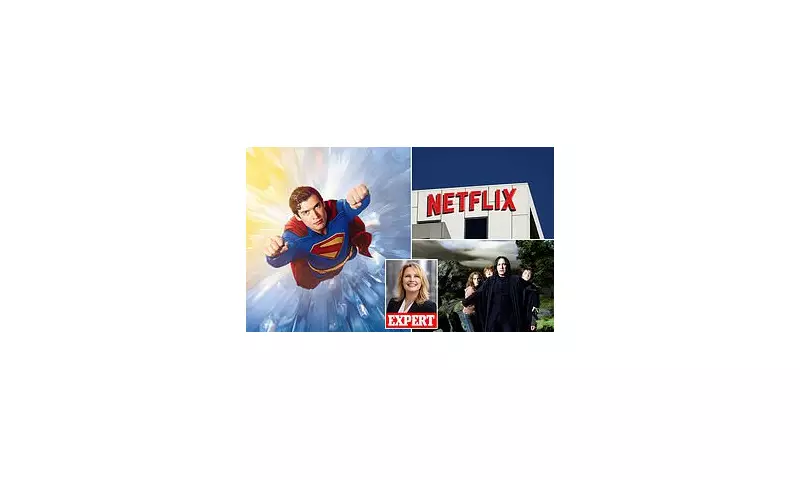
In a move that could reshape the global streaming landscape, Netflix has unveiled plans for a colossal $72 billion deal to acquire key parts of Warner Bros Discovery. The proposed acquisition includes the flagship HBO Max service and control of legendary entertainment franchises.
A Content Powerhouse with a Cost
If regulators approve the merger, Netflix would gain the rights to some of the most valuable intellectual property in entertainment history. This includes the wizarding world of Harry Potter, the epic realms of Game of Thrones and The Lord of the Rings, and DC Comics icons like Batman and Superman.
While the promise of all these titles under one subscription sounds like a viewer's dream, analysts caution that the reality will be different. Media expert Crystal Gorges of The PR Group told the Daily Mail that Netflix subscribers should be prepared for price increases.

"A merger this large gives Netflix a much bigger content universe, but it also gives them permission to move more desirable titles behind paywalls," Gorges explained. She also warned the deal could alter production priorities, potentially squeezing out smaller, independent shows in favour of major franchise extensions.
Political and Regulatory Roadblocks Ahead
The sheer scale and potential consumer impact of the deal have already sparked significant political opposition in Washington. Lawmakers from both major parties are raising alarms about its effect on streaming costs.
Democratic Senator Elizabeth Warren labelled the deal a 'nightmare', while Republican Representative Darrell Issa called it 'problematic' in a letter to the Department of Justice. Bill Cohan, founding partner at Puck News, stated that former President Donald Trump prefers the Warner Bros assets go to David Ellison at Paramount-Skydance and wants the Justice Department to fight Netflix's bid.
"It will take 12 to 18 months, and that could be longer with a legal fight," Cohan said, setting the stage for what he describes as the biggest legal fight in Netflix's 28-year history. He highlighted the unprecedented size of the deal for Netflix, which hasn't previously purchased anything larger than $700 million.
Global Scrutiny and Industry Transformation
Art Hogan, chief marketing strategist at B Riley Wealth, pointed out that regulatory hurdles may also emerge in Europe. "We've seen the Eurozone block other deals in the media space, so that is to be determined," he noted.
Despite the challenges, both companies have stated they expect the deal to close in the second half of 2026. Cohan views the merger as signalling a fundamental shift in Hollywood, marking the start of an era of consolidation that places major creative studios under the control of deep-pocketed tech and media giants.
"People say this is the end of Hollywood — I think this is the beginning of an inevitable change," he remarked. For consumers, the experts' message is consistent: as more premium content is consolidated under one roof, viewers should brace themselves to pay more for access to the most popular films and series. However, as Cohan, a mergers and acquisitions specialist, concluded: "I am a mergers and acquisitions guy – most deals don't work out. So let's see."
Netflix declined to comment on its future pricing strategy.






