
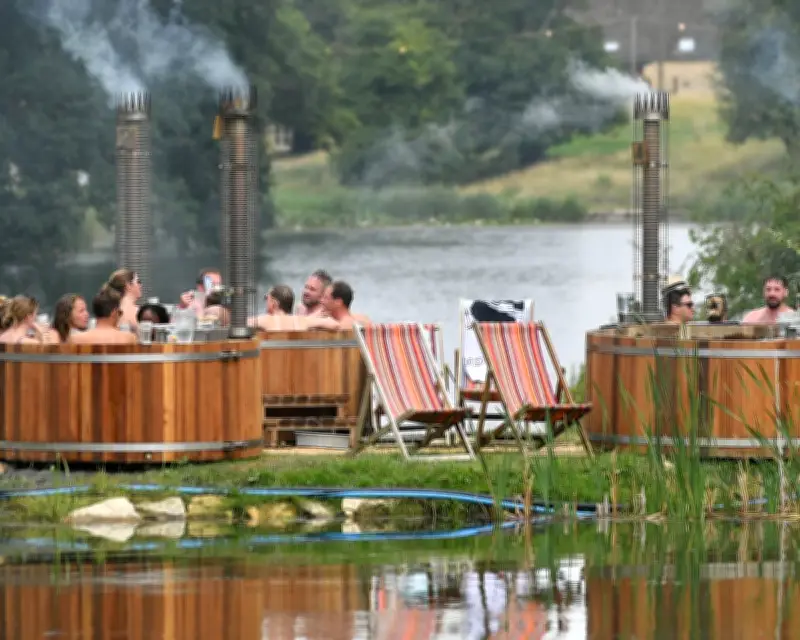
UK festivals are undergoing a luxury makeover as operators cater to Gen Z's willingness to spend on comfort and experiences. Offerings now include hot tubs, fine dining, and pamper parlours, with the trend providing a financial boost to an industry facing rising costs and cancellations.
Luxury Dining and Amenities
At the Love Supreme jazz festival in East Sussex, Togather operated a 65-seater marquee restaurant in collaboration with chef Yotam Ottolenghi. The £65 three-course menu, with options including an £80 rosé, sold out across 13 sittings, serving 845 diners over three days. At Wilderness in Oxfordshire, festivalgoers can book a Fortnum & Mason picnic at £97.50 per head, featuring dishes like duck liver parfait and chilli dill prawns.
When Nature Calls offers upmarket toilet facilities at festivals such as Latitude and Rewind for about £80. Their 'loo lounges' feature porcelain toilets cleaned after every use, Molton Brown hand soap, and mirrors with hairdryers, allowing guests to stay 'glamorous day and night'. At Wilderness, a lakeside hot tub for six costs £460, and the 'Summerhouse en suite for two' is priced at over £5,000 on top of a £288 weekend ticket.
Gen Z Driving the Trend
Digby Vollrath, CEO of Togather, says: 'Millennials, and Gen Z in particular, are wanting to spend their money on experiences over possessions. Festivals are the ultimate expression of that.' According to Mintel, nearly 60% of UK Gen Z plan to attend a music festival in the next year, compared with 41% of all UK adults. Millennials follow at 48%.
A Resolution Foundation report in June found that real weekly pay at age 24 for those born in the late 1990s was 12% higher than for those born in the late 1980s, and those born in the early 2000s are earning more at 24 than any generation since the 1950s.
Economic Impact and Industry Struggles
In 2024, a record 24.7 million 'music tourists' provided an £11.2 billion boost to the UK economy, driven partly by stadium gigs from Oasis, Coldplay, and Beyoncé. Dedicated festival audiences are forecast to grow from 6.5 million in 2023 to over 8 million by 2027. However, smaller festivals are struggling: the Association of Independent Festivals reports 43 UK festivals were cancelled, postponed, or closed in 2025, following 78 in 2024. Scotland's first Womad festival was cancelled in June, and Heritage Live concerts at Sandringham Castle were scrapped due to low ticket sales.
Luxury add-ons provide high profit margins, supplementing income from tickets and basic food. Yet, high-profile failures like Yurtel's bankruptcy at Glastonbury left glampers who paid £10,000–£16,500 for luxury yurts without refunds.
Sustainable Luxury at Shambala
Shambala festival in Northamptonshire, founded 26 years ago with a non-VIP ethos, is launching 'Dragonfly Camping' this year. Co-founder Christopher Johnson says: 'Luxury and VIP doesn’t fit with our ethos... What we are calling it is sustainable luxury.' For a £49 upgrade, festivalgoers get access to luxury compost toilets, a pamper parlour powered by renewable energy, a wood-fired hot tub and sauna, and a cold waterfall drench.
Johnson adds: 'More people are looking for a bit of extra comfort... We wanted to show that these experiences don’t always have to be expensive and exclusive.'




