

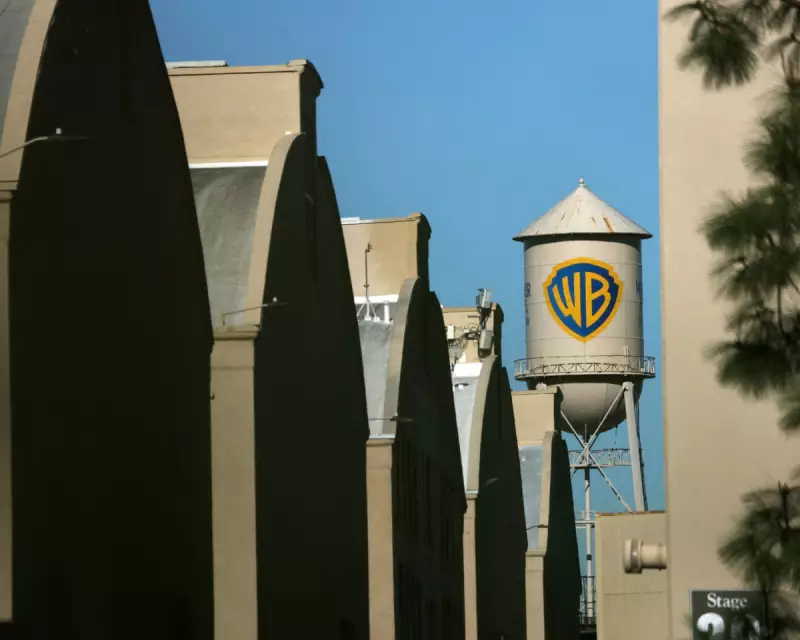
A landmark content licensing agreement between streaming titan Netflix and media conglomerate Warner Bros Discovery has ignited a fierce backlash from industry professionals and creators. The deal, confirmed on Friday, grants Netflix an unusually high degree of control over major Warner Bros franchises, raising significant concerns about market consolidation and creative freedom.
Unprecedented Terms Spark Industry Alarm
The multi-year partnership, effective from 2026, is not a standard licensing arrangement. Netflix will gain extensive editorial and distribution control over a vast library of Warner Bros films and television series. This includes the ability to edit, repackage, and even create new derivative content from iconic properties without the direct creative oversight of the original studio. Financial terms remain undisclosed, but the scale of the agreement is described as monumental within the industry.
Reaction from Hollywood has been swift and critical. Prominent figures, including directors and producers with long-standing ties to Warner Bros franchises, have voiced profound unease. Their primary concern is that the deal effectively severs the traditional creative link between the original makers and their work, allowing Netflix to alter or recontextualise content to fit its own platform algorithms and branding strategies.

A Strategic Pivot for Warner Bros Discovery
For Warner Bros Discovery, the agreement represents a stark strategic shift. Under CEO David Zaslav, the company has aggressively sought to reduce its substantial debt burden, which stood at over $40 billion following the 2022 merger. This deal with Netflix provides a massive, guaranteed revenue stream, effectively monetising its content archive in a new and highly lucrative way.
However, this move away from exclusive control over its crown jewels is seen by many analysts as a retreat from the direct-to-consumer streaming wars. It calls into question the long-term viability of its own flagship platform, Max, which will now share—and in some cases lose—key content to its fiercest rival. The decision prioritises short-term financial stability over long-term ecosystem growth.
Broader Implications for the Streaming Landscape
The backlash extends beyond creative circles to encompass broader competition concerns. Rival studios and smaller streaming services fear the agreement sets a dangerous precedent, further entrenching Netflix's market dominance. By amassing such a powerful and malleable content library, Netflix could stifle competition, making it even harder for other platforms to secure must-have titles.
Consumer advocates have also raised flags. There are worries that beloved films and series could be altered or removed from other services, reducing consumer choice and potentially rewriting pop culture accessibility. The deal underscores a turbulent period in the media industry, where financial pressures are triggering unprecedented alliances that reshape how content is owned, controlled, and delivered to audiences worldwide.
As the dust settles on the announcement, the industry is left to ponder a new era. The line between content creator and content distributor has blurred dramatically, with the balance of power shifting decisively towards the global streaming platforms that control the direct pipeline to viewers.






