German Media Powerhouse Axel Springer Secures Telegraph in Blockbuster £575m Deal
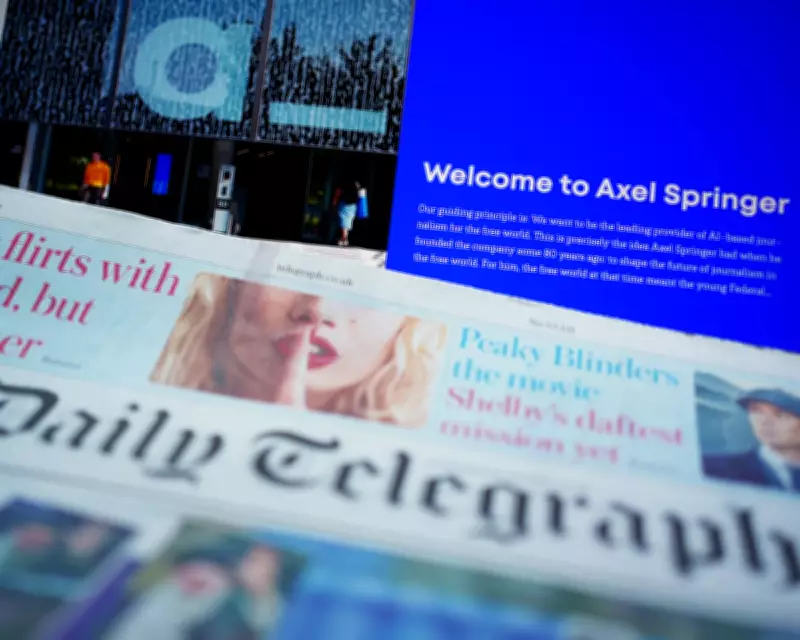
After three years of tortuous negotiations, failed bids from the United States to Abu Dhabi, internal rebellions, and legislative changes, the sale of the Telegraph has concluded with a spectacular twist. The European media giant Axel Springer has delivered a knockout £575 million all-cash offer, torpedoing the long-held ambitions of Daily Mail proprietor Lord Rothermere to acquire the prestigious titles.
Rothermere's Dreams Dashed Amid Regulatory Scrutiny
Lord Rothermere had openly expressed his desperation to purchase the Daily Telegraph and Sunday Telegraph, working extensively with banks to raise the necessary funds. However, his proposed deal raised significant concerns about media plurality and the concentration of ownership within the British press. These concerns were shared by Culture Secretary Lisa Nandy, leading to months of regulatory scrutiny that ultimately hindered his bid.
Industry sources remained baffled by how even someone with Rothermere's substantial personal wealth could muster the £500 million demanded by RedBird IMI, the UAE-backed vehicle forced to sell the titles following a change in law regarding state ownership of newspapers. Axel Springer's offer, while still requiring government approval, presents fewer immediate concerns about media concentration, as the company does not currently own other major UK-centred media assets.

Axel Springer's Strategic Move and Editorial Promises
One of the remaining mysteries surrounding this acquisition is why Axel Springer took so long to present its decisive bid. The company's interest only emerged recently when it was linked to a consortium led by Dovid Efune, owner of the New York Sun, before deciding to pursue the Telegraph titles independently.
Mathias Döpfner, Axel Springer's billionaire chief executive, has already begun a charm offensive following internal revolts over previous potential owners. He described the purchase as "our dream comes true" and noted that when Axel Springer founded his media empire in 1946, the Telegraph served as "his north star." Döpfner praised the current newsroom and editor Chris Evans while making significant promises about the publication's future direction.
The Telegraph is being promised editorial independence, transformation through advanced AI tools, and substantial investment aimed at establishing it as "the leading centre-right media outlet in the English-speaking world." Simultaneously, Döpfner has committed to preserving the "distinctive character and legacy" of the titles, which have long been steeped in Conservative party politics and intrigue.
Brexit-Backing Readership and European Ownership
The acquisition raises intriguing questions about how the Telegraph's largely Eurosceptic readership will respond to European ownership. One source close to the saga remarked, "Red-faced Brexiteers all over Surrey having conniptions. You would need a heart of stone not to laugh." This sentiment highlights the potential cultural and political tensions that may emerge as a publication often referred to as "the Torygraph" due to its influence within the British Conservative party transitions to German ownership.
Axel Springer, which already owns Politico, Business Insider, and the German mass-market newspaper Bild, now adds one of Britain's most influential newspapers to its portfolio. The company's vision includes leveraging artificial intelligence to transform the publication while maintaining its traditional editorial stance, creating a fascinating blend of technological innovation and political continuity.
As the deal awaits final government approval, industry observers will be watching closely to see how Axel Springer navigates the complex landscape of British media politics while implementing its ambitious transformation plans for this iconic publication.