In a major shake-up for the global sportswear industry, German athletic brand Puma is poised to receive significant Chinese backing through a lucrative $1.8 billion deal. China's Anta Sports is preparing to become Puma's largest shareholder, acquiring a substantial 29 per cent stake from the Pinault family, the owners of luxury group Kering which controls brands like Gucci.
Historic Rivalry and Modern Struggles
The investment comes at a critical juncture for Puma, which has been grappling with declining market position and intense competition. The brand, founded in 1948 by Rudolf Dassler after his split from brother Adolf who established Adidas, has seen its fortunes wane despite a rich heritage of outfitting elite athletes.
Puma's headquarters in Herzogenaurach, Bavaria remains just a short walk from Adidas's base, a physical reminder of the century-old sibling rivalry that created these two sportswear giants. However, that proximity hasn't translated to competitive parity in recent years.

Falling Behind in the Performance Race
Once considered a formidable competitor to both Nike and Adidas, Puma has struggled to maintain its market position. Morningstar analyst David Swartz observed that "Puma became too dependent on lifestyle products rather than performance sports shoes, which really drove this industry." This strategic misstep has resulted in lower revenues and reduced marketing visibility for the brand.
Puma's own CEO Arthur Hoeld, who previously worked at Adidas before taking the helm in July, acknowledged the brand's challenges in October, stating Puma had "become too commercial, over-exposed in the wrong channels, with too many discounts."
Adidas's Strategic Advantage
While Puma has faltered, Adidas has surged ahead, particularly capitalising on the retro sneaker trend that has captivated consumers globally. The success of Adidas's Samba and other "terrace" models, inspired by 1970s and 1980s football fan footwear, has significantly widened the sales gap between the two historic rivals.
Felix Dennl, a retail analyst at German bank Metzler, highlighted Adidas's strategic timing advantage, noting the company "was a first mover in capitalising on the retro sneaker trend, roughly six months before Puma." This head start allowed Adidas to "transfer the brand heat generated across lifestyle footwear into performance franchises" more effectively.
Financial Turbulence and Turnaround Plans
Puma's financial performance has reflected its competitive struggles. The company's stock peaked at 115 Euros in late 2021 but has since plummeted by approximately 80 per cent, leaving its market capitalisation at just 3.2 billion Euros. This represents merely one-eighth of Adidas's valuation, highlighting the dramatic divergence between the two companies.
In response to these challenges, CEO Hoeld unveiled a comprehensive turnaround strategy in October. The plan includes:
- Cutting 900 corporate jobs to streamline operations
- Reducing discounting to protect brand value
- Enhancing marketing efforts to improve visibility
- Streamlining the product range to focus on core offerings
Anta's Strategic Vision
China's Anta Sports sees significant potential in revitalising the struggling German brand, particularly within the lucrative Chinese market. Wei Lin, Anta's global vice president for sustainability and investor relations, told Reuters: "We have a lot of insight how to make Puma more successful in China. It is one of the most valuable brands in this industry."
The proposed deal values Puma at approximately $6.2 billion, with its enterprise value appearing relatively modest compared to industry rivals. News of the potential investment pushed Puma's shares up by 9 per cent on Tuesday, indicating market optimism about the partnership.
Broader Competitive Pressures
Beyond its historic rivalry with Adidas, Puma faces increasing pressure from newer athletic brands that have captured consumer attention. Companies like On Running and Hoka have gained significant market share with innovative products and strong brand identities, further intensifying the competitive landscape that Puma must navigate.

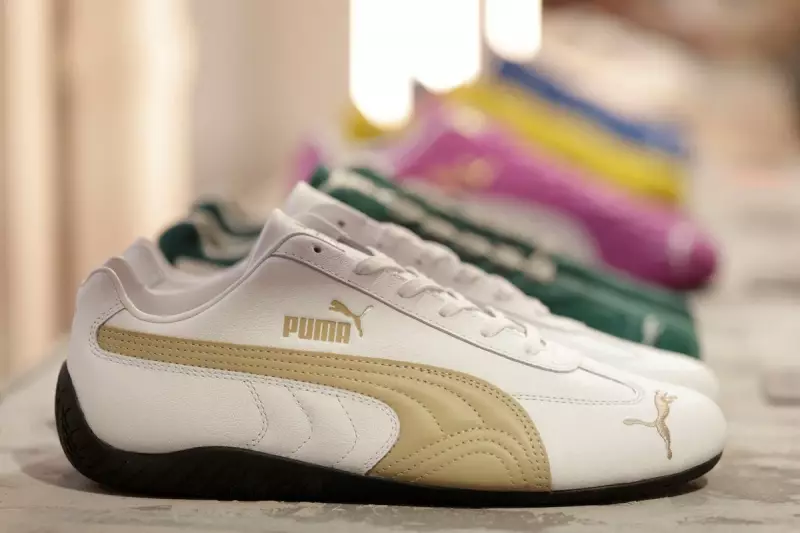
The brand's recent product launches, including the Speedcat sneakers, have been overshadowed by competitors' successes, necessitating the strategic intervention that Anta's investment represents.
As the sportswear industry continues to evolve with shifting consumer preferences and intensifying global competition, this proposed partnership between German heritage and Chinese investment capital could mark a pivotal moment in Puma's century-long history.