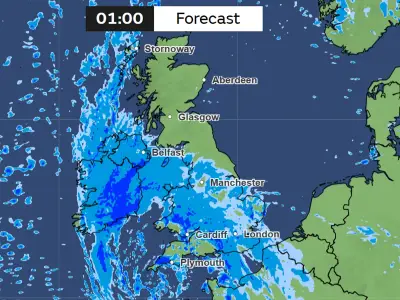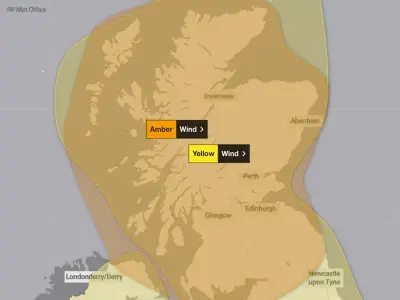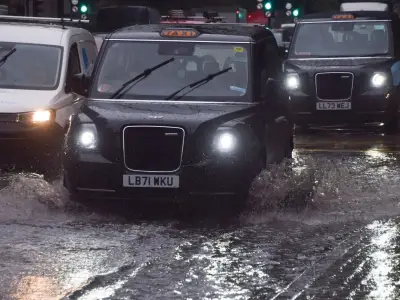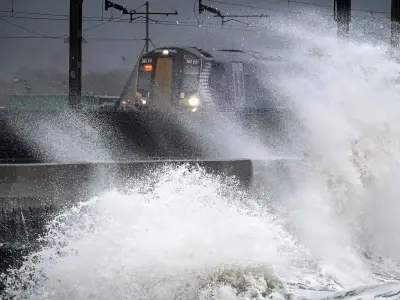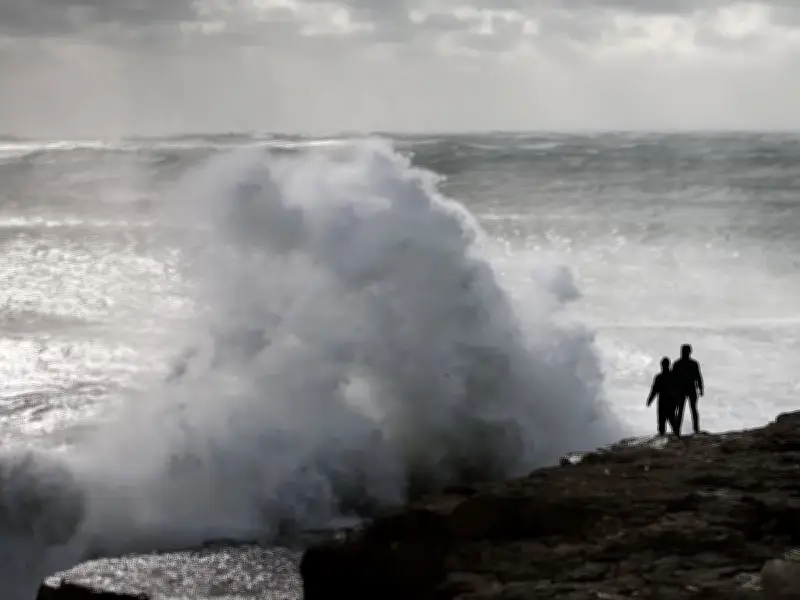
Following a weekend of severe weather that left thousands of British homes without electricity, an appliance expert has urged households to take immediate action in their kitchens to prevent food from spoiling and avoid costly damage to white goods as more unsettled conditions are forecast.
After widespread power outages and travel disruption, many people are questioning whether the contents of their fridges and freezers remain safe to eat. Jade Golding-Gault, an appliance expert at electrical retailer AO, said that while power cuts strike without warning, the steps householders take now and in the immediate aftermath of an outage are critical.
Pack your freezer now and keep doors shut
For those in areas facing upcoming weather warnings, preparation should start before the lights go out. Ms Golding-Gault advises making sure the freezer is as full as possible, as a well-stocked compartment acts like a giant ice box.
"A packed freezer holds its temperature better than a half-empty one, as frozen items help keep each other cold," she explained. "If the power goes out, avoid rearranging food and keep frozen items grouped together to slow down the thawing process."
If the electricity cuts out, the key rule is to resist opening the door. "It can be tempting to check on your food, but every time you open the fridge or freezer door, cold air escapes and warm air gets in," Ms Golding-Gault warned. "That causes temperatures to rise more quickly and can reduce how long food stays safe to eat."
The four-hour rule for food safety
A common misconception is that a blackout automatically condemns an entire weekly shop to the bin. Provided doors remain firmly shut, appliances are resilient:
- Fridges can keep food at a safe temperature for up to four hours.
- Half-full freezers typically keep items frozen for up to 24 hours.
- Full freezers can maintain their temperature for up to 48 hours.
"If food still contains ice crystals or feels fridge-cold when the power returns, it's generally safe to refreeze or use," Ms Golding-Gault said. "However, if you're unsure how long food has been above a safe temperature, it's always best to err on the side of caution and throw it away."
What to do when power returns
Once the supply is restored, homeowners should let their white goods recover before restocking. "Don't rush to restock your fridge or freezer immediately after the power comes back on," Ms Golding-Gault advised. "Give appliances time to return to their normal operating temperatures first, as overloading them too early can slow the cooling process and make them work harder."
Finally, Brits are urged to check internal dials and digital displays, as extended blackouts can trip settings. "Some appliances can reset following an extended outage, so it's worth checking that everything is running correctly once power is restored," she added. "Your fridge should be operating below 5°C and your freezer should be around -18°C to help keep food fresh and safe to eat."