Medical Experts Advocate Penguin Walk During UK Ice Warning
The Met Office has issued a comprehensive yellow weather warning for ice across the entire United Kingdom in the aftermath of Storm Chandra. This alert comes with specific cautions about potential injuries from slips and falls as temperatures plummet dramatically overnight.
Forecasters have warned that untreated roads, footpaths, and cycle routes could freeze solid, creating hazardous conditions for pedestrians and cyclists alike. The meteorological service has advised the public to allocate additional time for travel and exercise particular caution when venturing outdoors.
Official Guidance for Navigating Icy Conditions
The Met Office has provided clear recommendations for those who must travel during this cold spell. "If you need to make a journey on foot, try to use pavements along main roads which are likely to be less slippery," stated the official weather service. "Similarly, if cycling, try and stick to main roads which are more likely to have been treated."

Weather experts have emphasised that patches of ice can form unexpectedly in shady areas, beneath parked vehicles, or on quieter stretches of road. These hazardous zones often go unnoticed due to poor visibility, with risks increasing significantly during early morning or dusk periods when reduced light combines with freezing temperatures.
The Revolutionary Penguin Walking Technique
Medical professionals from the Spanish Society of Rehabilitation and Physical Medicine (SERMEF) have now introduced a novel approach to navigating treacherous icy surfaces. They recommend adopting what they term the "penguin walk" – a simple yet effective technique grounded in solid biomechanical principles.
This distinctive walking method involves several key adjustments:
- Shifting your centre of gravity slightly forward to enhance stability
- Taking smaller, more controlled steps rather than normal strides
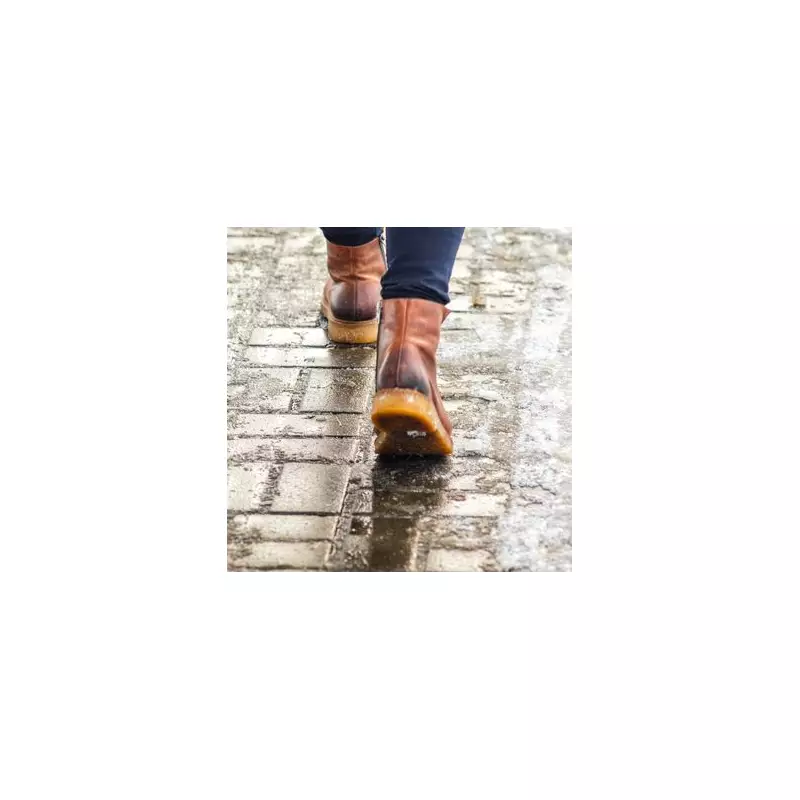
- Avoiding walking on your toes and instead placing the entire sole of the foot firmly on the ground
- Keeping hands out of pockets to maintain better balance and reaction capability
"Leaning your torso slightly forward helps you adapt your gait to the terrain and reduces the risk of slipping," explained SERMEF representatives in an interview with El Confidencial.
Understanding the Serious Consequences of Falls
Medical experts have emphasised that while many people consider tumbles and slips as routine winter mishaps, they can have severe consequences for certain vulnerable groups. Elderly individuals and those with pre-existing medical conditions face particularly heightened risks during icy conditions.
"Avoiding a single fall could spare someone weeks, months or even years of harmful repercussions," cautioned the rehabilitation specialists. They maintain that the impact of such incidents extends far beyond immediate discomfort, potentially leading to long-term health complications.
SERMEF has further highlighted that slip hazards aren't confined to icy surfaces alone. Damp and wet floors also present significant dangers and contribute to a substantial number of incidents throughout the winter months.
Essential First Aid Guidance for Winter Falls
Medical professionals have provided crucial advice for responding to winter falls. If someone takes a tumble, the first step involves establishing whether they remain alert and responsive. Emergency services should be contacted immediately if there's any suspicion of head, neck, or spinal injuries.
Casualties should not be relocated until expert assistance reaches the scene, stress the medical experts. This precaution helps prevent potential exacerbation of injuries that might not be immediately apparent.
The National Health Service echoes this guidance, specifically warning against attempting to lift someone who appears unable to stand independently. "If someone else has fallen, keep them comfortable and warm. Carefully help them get up if they can, but do not try to lift them yourself," advises the NHS.

Proactive Community Measures During Cold Spells
The Met Office has recommended several community-focused approaches to enhance safety during icy conditions. Setting off earlier than usual when walking allows for slower, more deliberate movement that significantly reduces accident risks.
Weather experts also suggest checking on older relatives or neighbours to determine if they require assistance with essential tasks. Clearing pathways for vulnerable community members while addressing your own can make a substantial difference in preventing winter accidents.
As Britain braces for continued icy conditions following Storm Chandra, these combined meteorological warnings and medical recommendations provide a comprehensive approach to navigating winter hazards safely and effectively.