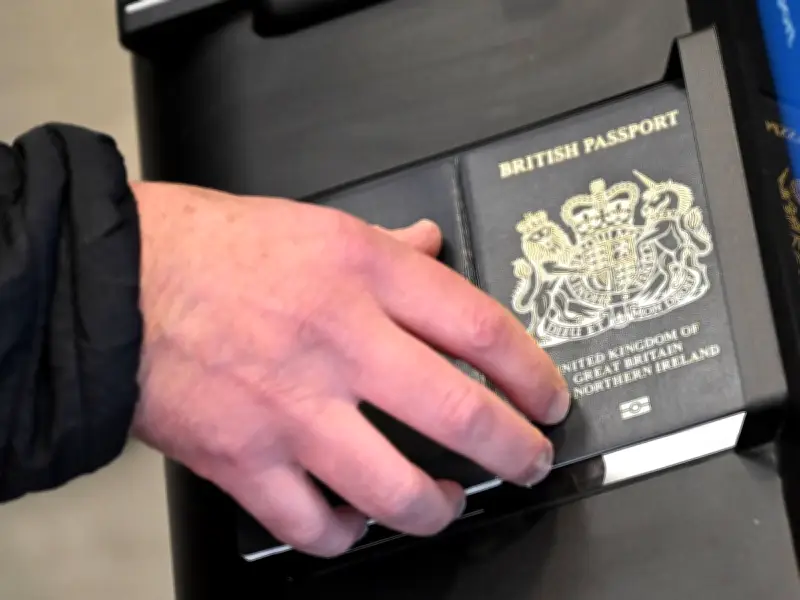
Holidaymakers are being encouraged to check their passport details before heading abroad, as new research from Saga Travel Insurance reveals confusion around entry requirements, expiry rules and post-Brexit travel regulations. The travel insurance provider surveyed 500 people in the UK and found that Brits could be at risk of avoidable disruption when travelling overseas due to simple oversights.
The survey found that 16% didn't know when their passport expires, 10% had less than one year remaining on their passport and 8% were currently holding expired passports. In addition, one in 14 (7%) holidaymakers had been denied entry to a country because they didn't have enough time left on their passport before it expired.
Michelle Cooper, director of Travel Insurance at Saga, has explained the key passport rules to be aware of ahead of a trip. She also outlined plans for a new fee that people from the UK will soon have to pay when heading to Europe.
Michelle said: “Nobody should have their holidays ruined because of a simple passport error. A few quick checks can help people avoid unnecessary stress, unexpected costs and disruption at the airport.”
The passport rules catching Brits out after Brexit
Half (50%) of holidaymakers are still not confident they understand the visa and travel requirements for visiting Europe after Brexit. Michelle said: “If you’re travelling to Europe for an extended period, you may now be required to apply for a new visa type. Travellers can spend up to 90 days in the Schengen area within any rolling 180-day period, but it’s not as simple as it sounds.
“The 180 days are counted backwards from each day you’re in the EU or a Schengen country, so every trip adds up. That means even frequent short breaks can push you over the limit without realising. If you go beyond 90 days, you could face fines or even a ban from re-entering. Anyone planning to stay longer will need to apply for the new Schengen Visa.”
The Schengen area is a group of 29 European countries where travellers can move between countries without routine passport checks. It includes popular holiday destinations such as France, Spain, Italy, Greece and Portugal.
Confusion around the ‘10-year passport rule’ is the most widely discussed passport concern online, according to recent analysis from Saga Travel Insurance, with Reddit discussions on the issue amassing 35,417 upvotes. Michelle explained: “EU and Schengen countries require passports to be less than 10 years old on the day of entry. While all new passports last exactly ten years, passports issued before 2018 remain valid for 10 years and nine months. If you have an older passport, make sure you check both the issue date and expiry date before travelling to avoid problems at the border.”
Brits warned over new ETIAS travel checks for Europe
From late 2026, British travellers visiting most European countries will need to apply for a new European Travel Information and Authorisation System (ETIAS) before travelling. An exact date for it starting has not yet been announced.
The new system is similar to the UK’s Electronic Travel Authorisation (ETA) scheme and will apply to visa-exempt travellers visiting 30 European countries for short stays of up to 90 days within a 180-day period. A fee of 20 Euros - around £17 - will be charged.
Michelle said: “Travellers may not realise that visiting Europe will soon involve an additional pre-travel authorisation step. From late 2026, British holidaymakers will need to apply for ETIAS approval before travelling to many popular European destinations.
“The authorisation will be linked directly to your passport, meaning travellers could be denied boarding if their ETIAS details don’t match their travel document or if the authorisation has expired. Most ETIAS applications are expected to be processed within minutes, but it could take longer if additional checks are required. Holidaymakers should apply well in advance of departure to avoid last-minute disruptions.
“Similar systems already exist elsewhere. For example, UK travellers visiting the United States must apply for an Electronic System for Travel Authorisation (ESTA) before departure. These systems are becoming more common globally, so it’s important to check requirements for each destination well ahead of travel.
“As with passport validity rules, people are responsible for making sure they have the correct travel authorisation before they leave the country. If someone is unable to travel because they failed to obtain valid ETIAS or ESTA approval, travel insurance is unlikely to cover costs associated with denied boarding or cancelled trips.”