Winter Storm Fern Death Toll Climbs Above 30 Across United States
A devastating winter storm that swept across large portions of the United States over the weekend has now resulted in more than thirty confirmed fatalities nationwide. The treacherous weather system, named Winter Storm Fern, brought a deadly combination of ice, freezing rain, and heavy snow from the Southern Plains to the East Coast, creating hazardous conditions that have persisted into the new week.
Fatalities Span Multiple States with Shoveling and Hypothermia Incidents
The human toll from this severe weather event includes tragic incidents across numerous states. In Verona, New Jersey, police discovered a 67-year-old man unresponsive with a snow shovel still in his hand, highlighting the physical dangers of clearing heavy snowfall. Other fatalities have been reported from Texas to Massachusetts, with causes ranging from hypothermia to sledding accidents and carbon monoxide poisoning.
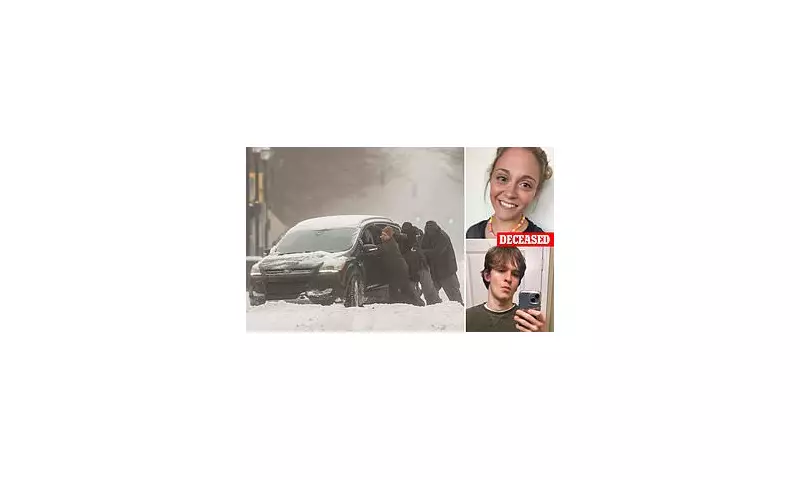
Among the victims were 28-year-old elementary school teacher Rebecca Rauber, found dead and covered in snow in Emporia, Kansas, and 19-year-old University of Michigan student Lucas Mattson, whose body was recovered after he was last seen walking without a coat in freezing temperatures. In Mississippi, 66-year-old Timothy Steele died when an ice-laden tree limb crashed through his mobile home roof, while in Louisiana, 86-year-old Alvin Mayweather succumbed to carbon monoxide poisoning likely caused by improper generator placement.

Massive Power Outages Compound the Crisis
As Tuesday dawned on the East Coast, more than 525,000 Americans remained without electricity according to PowerOutage.us data. Tennessee, Mississippi, and Louisiana each reported over 100,000 customers experiencing power failures, leaving vulnerable residents exposed to plummeting temperatures. "We're about to freeze to death," lamented Donnie Albritton, a Tennessee resident without power since Saturday, expressing the desperation felt by many affected households.
The power outages have created particularly dangerous situations as record-low temperatures grip southern states. The National Weather Service has warned that "dangerous wind chills as low as -50°F will persist, and much below-normal temperatures may continue into early February." Areas from Texas to New York are experiencing bone-chilling conditions, with frostbite possible within minutes in some regions.
Infrastructure Strain and Emergency Declarations
The storm's impact has severely strained municipal resources across affected areas. In Pittsburgh, Pennsylvania, officials declared a state of emergency after 37 of the city's 95 snowplows broke down overnight, significantly hampering cleanup efforts. New York City reported at least eight people found dead outside between Saturday and Monday morning, though investigations into exact causes continue.
Transportation networks have been equally disrupted, with FlightAware reporting nearly 6,200 flight cancellations and over 7,500 delays on Monday alone. US Transportation Secretary Sean Duffy indicated that air travel may not return to normal until Wednesday, stranding thousands of travelers during one of the busiest winter periods.
Another Winter Storm Threatens Eastern US
Meteorologists are now warning that another significant winter storm could impact the eastern United States this coming weekend. A high-altitude disturbance moving from Canada is expected to create a strong surface low-pressure system that may bring additional snowfall to already-burdened regions.
"The cold coming this weekend is the real deal!" wrote WSVN Meteorologist Dylan Federico on social media platform X. "The EURO is one of the coldest model runs I've ever seen, with below-zero wind chills down to the Gulf Coast on Saturday morning!"
As communities from the Gulf Coast to New England continue digging out from Winter Storm Fern's initial impact, emergency services remain on high alert. The combination of ongoing power outages, dangerously low temperatures, and the threat of additional precipitation creates a perfect storm of winter hazards that authorities warn could extend well into February.