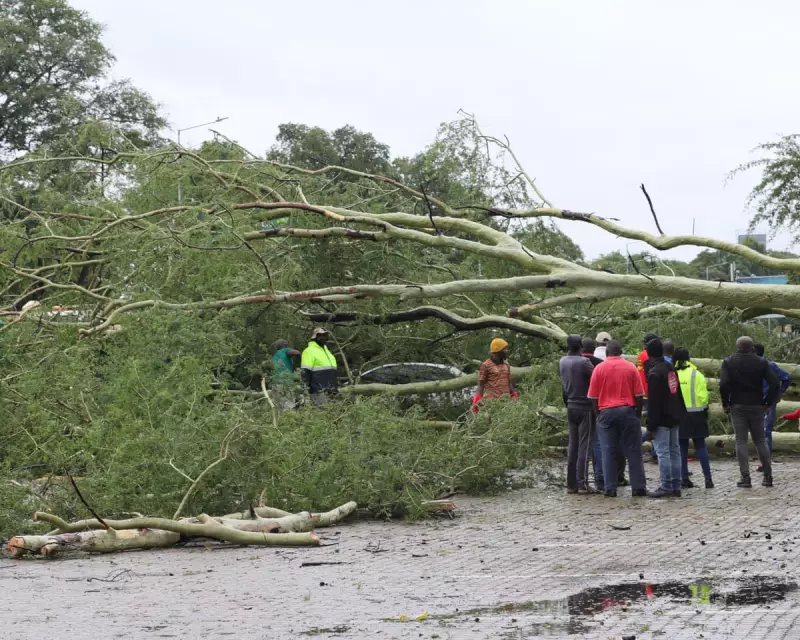
Relentless torrential rains have unleashed severe flooding across large areas of north-eastern South Africa and neighbouring Mozambique, prompting the highest-level flood warnings and forcing the evacuation of the world-renowned Kruger National Park.
Relentless Downpours and Record Rainfall
The crisis has been driven by a slow-moving cut-off low pressure system that has remained stubbornly anchored over the region. This weather pattern has continuously drawn in moisture from the surrounding area, resulting in days of intense and repeated downpours. The ground, already saturated from an unusually wet December, could absorb no more, leading to overwhelmed river systems and widespread inundation.
Specific locations have recorded staggering rainfall totals. Over the weekend, Graskop in Mpumalanga, South Africa, measured 113mm of rain in just 24 hours, while nearby Phalaborwa saw around 85mm. The deluge has continued unabated since. Forecasters warn of further significant rainfall, with Mozambique's capital, Maputo, potentially facing daily totals exceeding 200mm by the end of Friday. Western parts of South Africa and north-western Eswatini may also see more than 100mm.

Widespread Damage and Disruption
The impact of the floods has been severe and multifaceted. The South African Weather Service has raised its flood warning to the highest level as critical infrastructure has been crippled.
Roads have been washed away entirely, rendering large areas inaccessible to emergency services and residents. The iconic Kruger National Park has been closed to the public, with rising floodwaters necessitating the evacuation of both staff and visitors for their safety.
The consequences extend beyond immediate danger to long-term economic and ecological disruption:
- Agricultural Harvests Threatened: The prolonged wet weather is severely disrupting the harvesting and export of key crops like mangoes and lemons, jeopardising vital supply chains.
- Dangerous Wildlife Displacement: Authorities have issued warnings about displaced wildlife, including crocodiles and hippos, which have been sighted dangerously close to residential areas.
- Dramatic Rescues Required: Emergency services have been engaged in numerous rescues, saving residents trapped by rapidly rising rivers.
The scale of the rainfall is historic for some regions. Since October 2025, parts of Limpopo and Mpumalanga provinces have received approximately double their average annual rainfall.
Contrasting Extreme Weather in North America
While southern Africa battles catastrophic flooding, a starkly different extreme weather pattern is unfolding in North America. January has continued December's trend of record-breaking warmth, with the core of the anomalous heat focused on northern regions.
Over recent days, temperatures across much of the United States and parts of eastern and western Canada have been a remarkable 10-15°C warmer than the seasonal average. The anomaly was so pronounced in parts of Alberta, Canada, that temperatures soared past a balmy 15°C, more typical of late spring than mid-winter.
This pattern of exceptionally warm days and nights has shattered numerous January records across the continent. The forecast indicates this unusual heat will persist across much of western North America in the coming days, while the eastern half braces for an arctic plunge that will send temperatures plummeting well below normal.