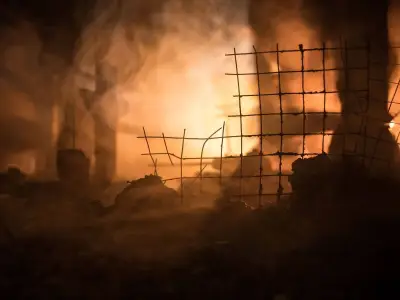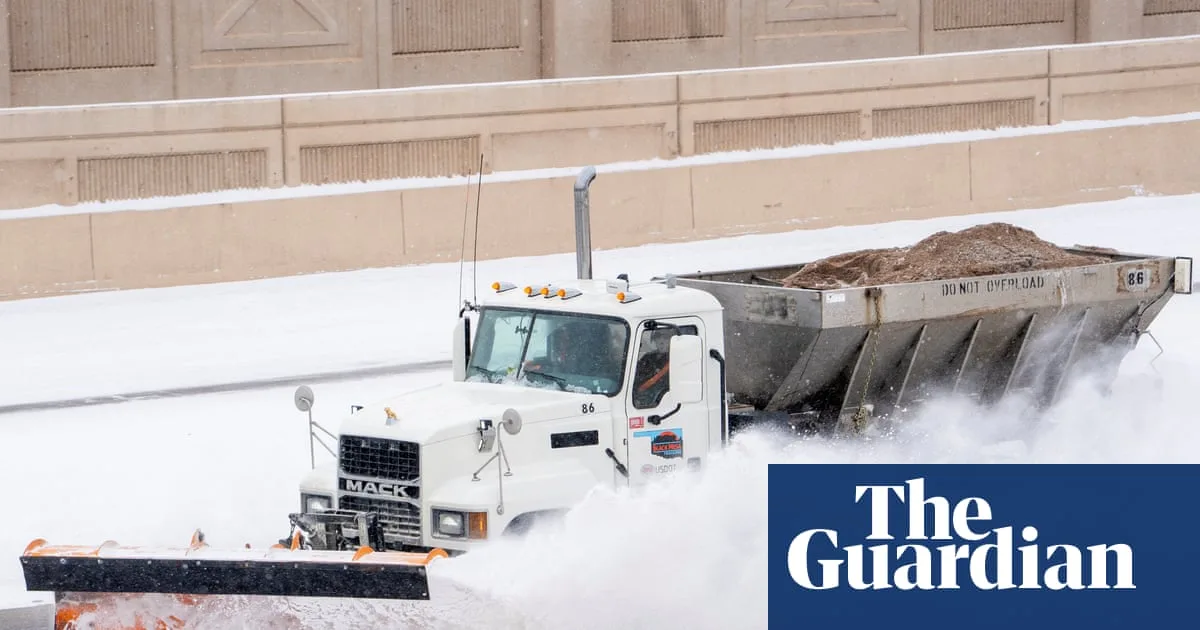
Residents across the southeastern United States are preparing for another severe bout of winter weather, with Arctic air sweeping into the region and threatening to extend the misery caused by last week's deadly storms. The National Weather Service has issued warnings as temperatures are set to plummet dramatically, affecting millions from Tennessee to Florida.
Power Outages and Impending Cold
As of Friday morning, approximately 230,000 households remained without electricity, primarily concentrated in Tennessee and Mississippi. These states were among the hardest hit by the previous winter assault that claimed at least 85 lives. The persistent power outages have left vulnerable populations, including the elderly and families with young children, at significant risk during the continuing cold snap.
Forecast and Regional Impacts
The National Weather Service predicts that the incoming Arctic air will drive temperatures down into the teens across Tennessee, while parts of northern Mississippi could experience wind chills as low as -5°F (-21°C). The weather system is expected to bring heavy snowfall to the Carolinas and southern Virginia, with accumulations potentially reaching up to a foot in some areas of South Carolina.
Remarkably, even Florida is preparing for unusual winter conditions. Meteorologists have indicated a 20% chance of snow flurries in the Tampa Bay area this weekend, which would mark the first settled snowfall there since 1977. Further south, Miami anticipates temperatures dropping below freezing, potentially challenging the city's record low of 27°F set in January 1940.
Agricultural Concerns and Infrastructure Disruption
The extended freeze poses significant threats to Florida's agricultural sector, with farmers implementing various protective measures including harvesting crops early, increasing irrigation, and even deploying helicopters to safeguard sensitive fields. The cold weather has already disrupted other operations, with NASA postponing a planned dress rehearsal for the Artemis 3 moon rocket launch at Cape Canaveral until at least February 8th.
Emergency Response and Public Health Warnings
Emergency services and National Guard units continue to deliver essential supplies including meals and blankets to affected communities. Mississippi Governor Tate Reeves has urged residents to prepare for "another weekend of extremely cold temperatures" and to check on vulnerable neighbors and family members.
Public health officials have emphasized the dangers of prolonged exposure to freezing conditions. Dr. Hans House, professor of emergency medicine at the University of Iowa, warned that "the longer you're exposed to the cold, the worse it is," noting that while the human body can handle brief cold exposure, extended periods present serious health risks.
Broader Weather Patterns
The National Oceanic and Atmospheric Administration has described this as an "unusually large and severe" weather pattern affecting hundreds of millions of Americans. The agency warns that the powerful Arctic blast will bring "dangerously cold, record low temperatures" to the Gulf Coast, upper Ohio Valley, mid-Atlantic, and southeastern United States through the weekend.
This latest weather event follows last week's storm that closed hundreds of miles of interstate highways for several days and overwhelmed utility crews attempting to restore power across multiple southern states. Officials in Mississippi have described it as the worst winter storm since 1994, highlighting the exceptional nature of this prolonged cold period.