Afghanistan Grapples with Devastating Winter Weather Crisis
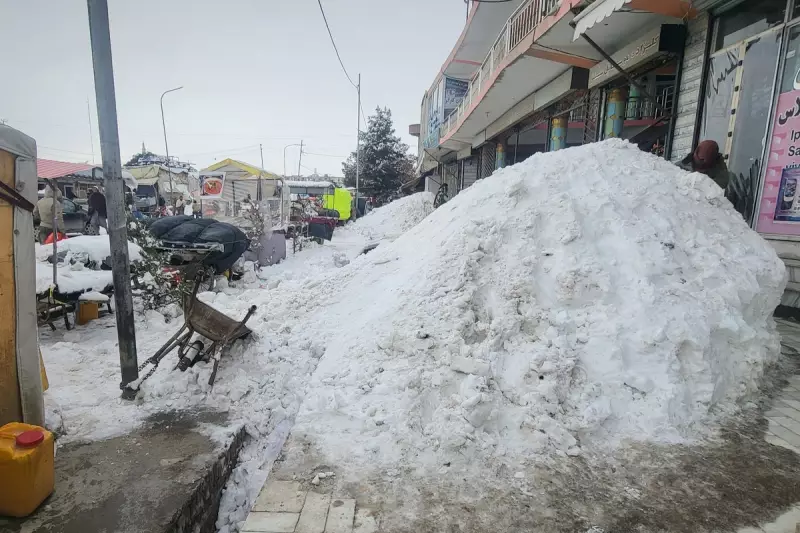
Afghanistan has been struck by a severe winter weather crisis, with heavy snow and torrential rainfall over the past three days claiming dozens of lives and causing widespread destruction across the impoverished nation. According to the country's disaster management authority, the extreme conditions have resulted in significant casualties and infrastructure damage, highlighting the nation's acute vulnerability to climatic disasters.
Official Casualty Figures and Damage Assessment
National Disaster Management Authority spokesman Yousaf Hammad provided a sobering update on Saturday, confirming that 61 people have lost their lives and 110 others have been injured due to the severe weather. The impact has been felt across 15 of Afghanistan's 34 provinces, with rescue and assessment efforts ongoing in remote, cut-off villages.
The destruction extends beyond human casualties, with 458 homes completely or partially destroyed and hundreds of livestock perished. Hammad cautioned that these numbers are preliminary and could rise as authorities gather more comprehensive information from affected provinces where access remains challenging.

Historical Context of Weather-Related Disasters
Afghanistan's geographical and socio-economic conditions make it particularly susceptible to extreme weather events. The country regularly experiences devastating snowfalls and heavy rains that trigger deadly flash floods, often claiming dozens or even hundreds of lives in single incidents. In 2024 alone, springtime flash floods resulted in more than 300 fatalities, underscoring a persistent pattern of weather-related tragedies.
Several compounding factors have amplified the impact of these disasters:
- Decades of conflict that have weakened national infrastructure
- Poor road networks and limited emergency response capabilities
- A struggling economy that hampers disaster preparedness
- Extensive deforestation that increases flood risks
- The intensifying effects of climate change creating more extreme weather patterns
These challenges are particularly acute in remote rural areas where many homes are constructed from mud and offer minimal protection against sudden deluges or heavy snowfall.
Compounding Crises and Humanitarian Concerns
The current weather disaster compounds existing humanitarian crises in Afghanistan. The country's eastern provinces are still recovering from devastating earthquakes that struck in late August and November of last year, which destroyed numerous villages and claimed over 2,200 lives. Those displaced by the earthquakes now face additional threats from extreme cold and hazardous weather conditions.
In December, UNICEF warned that approximately 270,000 children in earthquake-affected areas faced "severe risk of life-threatening diseases related to the cold," a situation now exacerbated by the recent severe weather.
Broader Humanitarian Context and International Response
Earlier this month, the United Nations declared that Afghanistan would "remain one of the world's largest humanitarian crises in 2026." In response to the escalating needs, the U.N. and its humanitarian partners have launched a $1.7 billion appeal aimed at assisting nearly 18 million people in urgent need throughout the country.
As Afghan authorities continue to struggle with opening blocked roads and reaching isolated communities, the international community faces mounting pressure to provide both immediate relief and long-term support for climate resilience in one of the world's most vulnerable nations.