Scotland's Epic Snowfall: A Major Incident Declared as Historic Winter Grips the North
Major incident declared as historic snowfall hits Scotland

A relentless and historic snowfall has brought parts of Scotland to a standstill, prompting the declaration of a major incident and forcing a stark reckoning with modern resilience. What began as a late-night dog walk through flurries escalated into an epic winter event, described by officials as the most intense in over half a century.

A Sustained and Unforgiving Onslaught

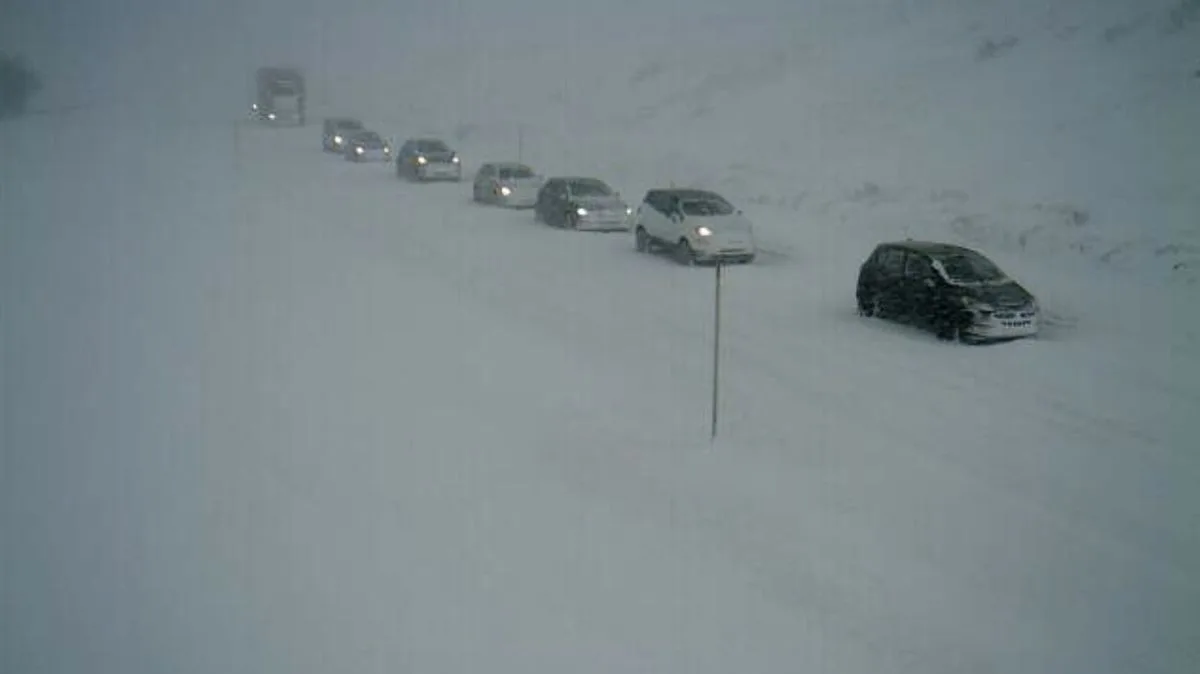
The severe weather began in earnest late last week, with snow falling continuously through Saturday and Sunday. By Monday, the situation had become critical. In parts of Aberdeenshire, accumulations reached six inches deep, with fresh falls overnight into Wednesday compounding the crisis. Aberdeenshire Council formally declared a 'major incident' on Tuesday, mobilising all available resources.

Council co-leader Ian Yuill told BBC Scotland it represented "the most intense and sustained period of snow he could remember in more than 50 years." The council deployed 15 snowploughs on roads and 14 on pavements, later hiring an additional 24 diggers in a desperate battle against the incessant snowfall that hourly undid their progress.

Community Spirit Meets Systemic Strain

In a heartening echo of past solidarity, farmers across the Grampian region took matters into their own hands. Unasked, they fired up tractors and began clearing roads wherever possible. This community action stood in contrast to a growing sense of systemic failure.

Transport networks were crippled. Schools remained shut, buses and trains ground to a halt across the north, and LNER warned it could not guarantee services on the East Coast Main Line until Friday at the earliest. On the Isle of Lewis, communities faced four days without ferry services and several days without fresh bread, a situation worsened by protracted New Year closures of local bakeries.

The crisis sparked frustration over the preparedness of public bodies. Critics questioned why the Scottish Government's Resilience Room meeting was chaired by Justice Secretary Angela Constance in the First Minister's absence, and lamented a modern tendency for leadership to take extended festive breaks regardless of emerging emergencies.

A Lesson in Resilience from Winters Past

For those who remember the brutal winters of the 1970s, such as the infamous blizzards of January 1978, the current disruption prompts a reflection on lost resilience. Earlier generations, accustomed to hardship, were better prepared with stored food, sturdy clothing, and the simple wisdom to stay home.

This stands in stark contrast to contemporary expectations of uninterrupted service and instant gratification. The narrative was highlighted by online complaints demanding perfectly clear roads immediately, questioning why more resources were not available. It echoes the fatal lessons of the Great Blizzard of 1888 in the US, where hundreds died because, in a newly restless society, people insisted on travelling rather than staying safely indoors.

The core lesson, then and now, remains: sometimes the safest and most sensible action is to stay put. As the author concludes, amidst the complaints about shortages, surely people can withstand a couple of days without soy milk and fresh olives when nature asserts its formidable power over the far north of Scotland in the bleak midwinter.