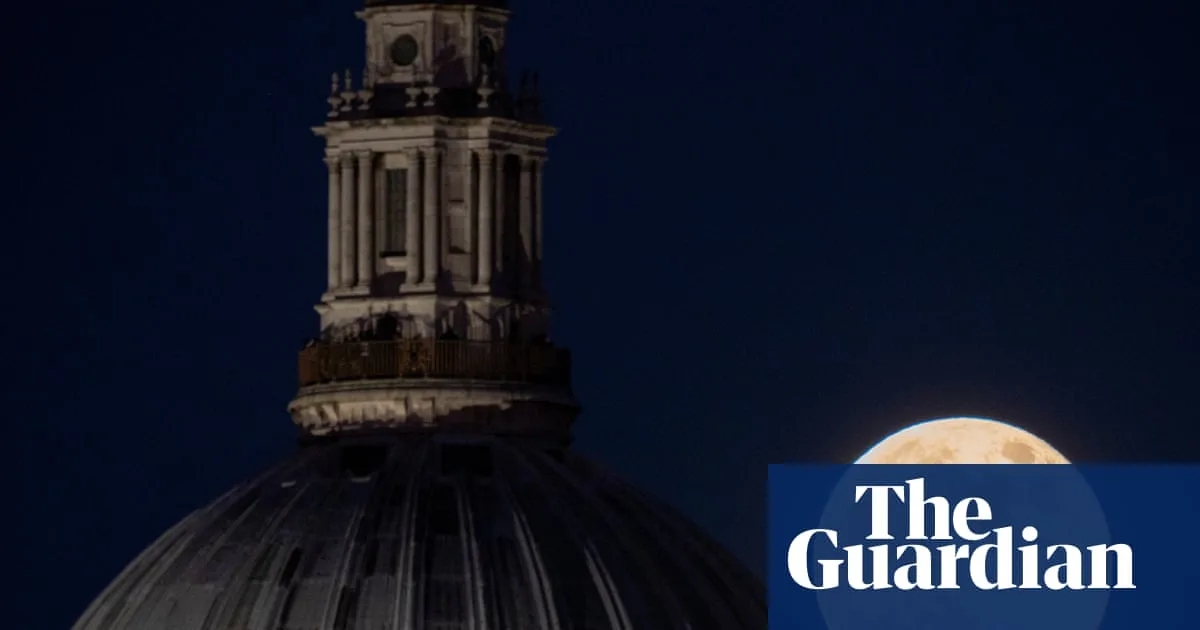
A rare celestial event, the blue micromoon, will be visible in UK skies this weekend. Despite its name, the moon will not appear blue; the term 'blue moon' refers to the second full moon in a calendar month, which occurs once every two to three years.
The 'micro' part of the name indicates that the moon will be at its farthest point from Earth in its orbit, known as apogee. This makes the moon appear slightly smaller than usual, though the difference is barely noticeable to the naked eye.
According to astronomers, the best time to view the blue micromoon in the UK will be on the night of May 31, with the moon reaching its peak at around 2:30 AM BST on June 1. Clear skies will offer the best viewing conditions, and no special equipment is needed to enjoy the sight.
While the blue micromoon is a relatively rare occurrence, it is not as dramatic as a supermoon or a lunar eclipse. Nonetheless, it provides a good opportunity for stargazers to observe a subtle variation in the moon's appearance.