Winter Storm Apps: Convenience vs. Human Expertise in Severe Weather
Weather App Reliability in Winter Storms Questioned

Winter Storm Apps: Convenience vs. Human Expertise in Severe Weather

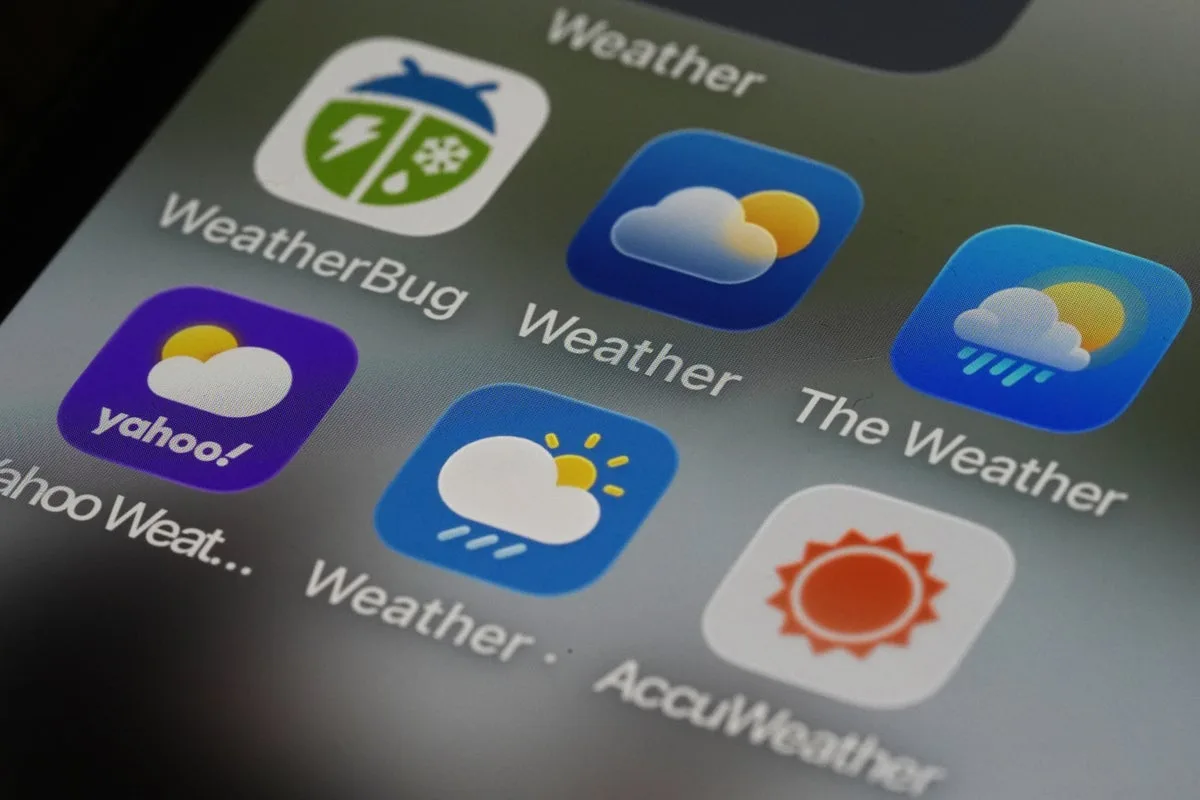
As a major winter storm sweeps across the United States, the familiar snowflake icon on smartphone weather apps is seeing a surge in use. These digital tools promise quick, accessible forecasts with eye-catching graphics and precise-looking numbers. However, meteorologists are issuing a stark warning: when the weather turns dangerous and complex, these convenient applications may fall short, and human expertise becomes indispensable.

The Limitations of Algorithmic Forecasting

Smartphone weather apps are designed for simplicity, but this can be their downfall during multifaceted storms. The current system, bringing heavy snow, treacherous ice, and subzero temperatures to multiple states, highlights a critical weakness. Apps struggle to interpret rapidly changing data and the nuanced differences between precipitation types over short distances, according to leading atmospheric scientists.

"Weather apps are really bad at storms that have multiple types of precipitation and it really makes messaging hard," explained Marshall Shepherd, a professor of meteorology at the University of Georgia and past president of the American Meteorological Society. "Apps don’t understand the details of why snow, sleet or freezing rain happens."

This sentiment is echoed by Jason Furtado, a meteorology professor at the University of Oklahoma. He notes that many apps rely on artificial intelligence to interpolate forecasts from large-scale models down to specific locations, a process that can introduce significant errors, especially during extreme events. "For extreme weather events, it is especially important to know there are human forecasters interpreting the data and making the best localised forecasts for your area," Furtado emphasised.

The Human Touch in Meteorology

Experts argue that the value of a trained meteorologist lies in their ability to analyse, interpret, and explain data, not just present it. Steven DiMartino of NY NJ PA Weather, a paid subscription service that promotes "Meteorology Not Modelology," pointed out the core issue. "The problem with the weather app is that it just provides data, but not explanation," he said. "Anyone can look at data, but you need a meteorologist, you need that human touch to look at it and say, ‘Hmm, that looks like an error; we’re gonna tweak this.’"

This localised, expert interpretation is crucial. A difference of just a few miles can determine whether an area receives snow, sleet, or dangerous freezing rain—a subtlety often lost in automated forecasts. Victor Gensini, a meteorology professor at Northern Illinois University, criticised many apps for oversimplifying uncertainty and presenting "highly precise-looking numbers that imply more confidence than actually exists."

Seeking Quality Forecast Sources

Not all apps are created equal, however. Some services successfully blend technology with professional oversight. The Weather Channel app, for instance, reports booming traffic during the storm. James Belanger, vice president of its parent company, described an "all-hands-on-deck" approach. The app utilises over 100 weather models, data from the National Weather Service (NWS), and input from more than 100,000 citizen observers, all synthesised by AI. Crucially, a team of over 100 meteorologists retains the final say on forecasts.

"One of the things that has been a lesson and a principle that we’ve adopted is that it’s the combination of advancements in technology with the human oversight," Belanger stated, noting this hybrid model is vital for accurate predictions during severe weather.

Other reliable sources include apps that directly channel NWS data. Cory Mottice, an NWS meteorologist who developed the EverythingWeather app as a side project, highlighted the strength of this approach. "You have actual meteorologists that are experts in their field at different places all over the country for that specific area, looking at the data, adjusting it, making the forecast as needed," he said. This contrasts with apps that use raw, unvetted computer model data, which can be unreliable in extreme conditions.

The Perils of Social Media and Hype

Forecasters also caution against turning to social media for weather information during crises. While platforms can help amplify official sources, they are also fertile ground for hype, drama, and misinformation. "Weather is complex, and social media tends to reward confidence and drama, not nuance," warned Professor Gensini. "That mismatch is a real challenge during major events like this."

Kim Klockow McClain, a social scientist specialising in extreme weather at the University Corporation for Atmospheric Research, noted the long-term risk of sensationalised forecasts. "When people are continually exposed to only worst-case forecasts, research suggests they will lose trust over time," she explained.

In conclusion, while smartphone weather apps offer undeniable convenience for checking daily conditions, their reliability is questioned during complex, dangerous winter storms. Meteorologists unanimously advise that for life-saving accuracy and nuanced understanding, the public should prioritise forecasts delivered by human experts through local TV and radio broadcasts, detailed websites, or reputable apps that explicitly integrate professional meteorological oversight.