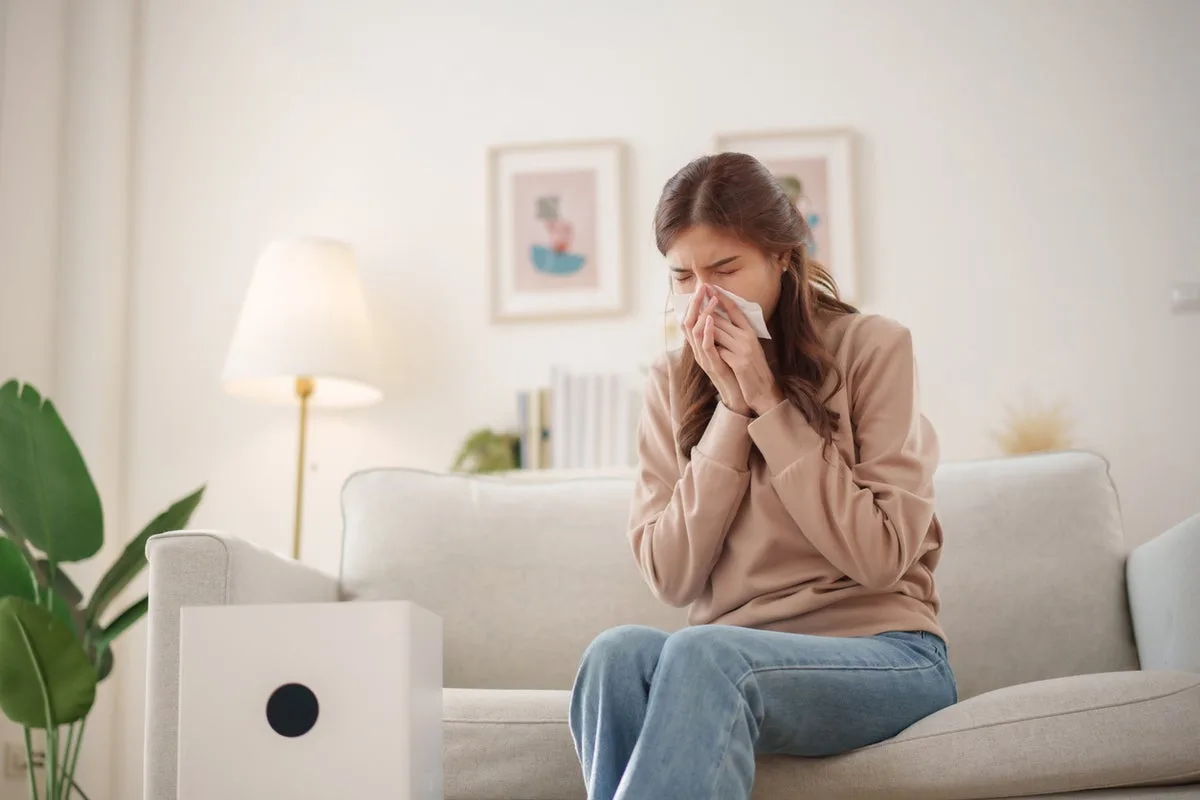
Comprehensive Strategies to Create a Pollen-Free Home Sanctuary This Spring
As the high-pollen season reaches its annual peak, countless hay fever sufferers find themselves engaged in a relentless battle against microscopic allergens that persistently infiltrate their indoor spaces. What should serve as a protective refuge from outdoor irritants often transforms into another source of discomfort, with tree and grass pollen demonstrating remarkable ability to penetrate homes through various entry points.
Caroline Mills, head of brand at Safestyle, provides authoritative guidance on establishing effective pollen-proofing measures throughout residential environments. Implementing these practical approaches can significantly reduce allergy symptoms and transform living spaces into genuine sanctuaries during challenging spring months.
Strategic Window Management for Optimal Air Quality
While fresh air circulation remains essential for maintaining healthy indoor environments, precise timing of window operations proves crucial for pollen control. "We all appreciate fresh air, but permitting entry during inappropriate periods invites troublesome pollen particles indoors," Mills cautions. Pollen concentrations typically escalate during early morning hours and again in early evening periods.
"During these peak exposure windows, maintaining closed windows represents the most effective strategy for preventing pollen infiltration," she advises. For necessary ventilation requirements, such as condensation prevention, Mills recommends opening windows during mid-to-late afternoon intervals when pollen levels frequently diminish.
"Another optimal opportunity for ventilation occurs immediately following substantial rainfall," she adds, noting that precipitation effectively cleanses pollen from atmospheric conditions, creating safer conditions for introducing outdoor breezes.
Comprehensive Dusting as Primary Defence Mechanism
For experienced allergy sufferers, microfibre cloths represent familiar defensive tools. "Systematic dusting to eliminate pollen accumulation constitutes fundamental protection against allergic reactions, though many overlook critical surfaces," Mills emphasizes. While window glass cleaning represents standard practice, she highlights the significance of frame maintenance.
"Pollen, dust, and environmental grime accumulate within uPVC frame corners and crevices, remaining dormant until air currents redistribute them throughout interior spaces." Mills advocates dedicating several minutes to open windows and thoroughly wipe internal frames, with particular attention to tracks and mechanical components where contaminants gather.
"A simple damp cloth typically suffices for routine cleaning, though stubborn accumulations may require vacuum nozzle extraction prior to wiping." For enhanced sanitization, she suggests employing steam cleaning technology: "Elevated temperatures effectively dissolve greasy residues, embedded dirt, and persistent grime while simultaneously eliminating bacterial presence." Maintaining these areas in pristine condition prevents pollen reintroduction during subsequent window operations.
Addressing Soft Furnishing Contamination
Textile furnishings including curtains, carpeting, and upholstered furniture function as potent magnets for microscopic particles including dust, pet dander, and pollen grains. Mills explains: "Fabric fibres trap minuscule allergens within their structure, retaining them until physical disturbance releases them back into breathing zones." She observes that while carpets receive regular vacuum attention, window treatments often suffer neglect.
"Each curtain manipulation shakes settled dust particles into room atmospheres," she warns. Fortunately, constant laundering proves unnecessary. Mills recommends utilizing specialized upholstery attachments on vacuum cleaners: "Methodically passing the attachment across fabric surfaces from upper to lower sections removes superficial dust and pollen layers without requiring complete washing machine cycles." Implementing this procedure weekly during high-pollen periods helps maintain manageable allergen levels.
Establishing Bedroom Sanctuary Conditions
Sleeping quarters, intended as allergen-free retreats, frequently evolve into pollen concentration zones through inadvertent contamination. "Considering we dedicate approximately one-third of our lives to sleep environments, ensuring bedding doesn't provoke allergic responses becomes paramount," Mills asserts. Pollen adheres to hair and epidermal surfaces throughout daytime activities, inevitably transferring to pillows and bed linens during nocturnal hours.
Frequent bedding laundering, ideally conducted weekly, represents essential practice. "High-temperature washing at 60°C optimally eliminates dust mites while removing adhesive pollen residues." Crucially, Mills cautions against outdoor drying during elevated pollen periods, noting that "linens function as extensive allergen nets when exposed to contaminated air." She recommends employing indoor drying racks or tumble dryers as alternative approaches.
Managing Outdoor Contaminant Introduction
When cleaning procedures prove insufficient, establishing physical pollen barriers becomes imperative, particularly for residents in high-pollen geographical regions. "Returning from exterior environments essentially imports seasonal allergens," Mills highlights. "Pollen particles cling tenaciously to outerwear, footwear, and carried items, facilitating widespread distribution throughout domestic spaces."
Where dedicated entryway facilities remain unavailable, she suggests creating designated 'drop zones' adjacent to primary entrances for shoe and coat deposition. "Immediate shoe removal prevents pollen tracking across carpeted and rug-covered surfaces." Following extended outdoor activities like walking or gardening, prompt clothing changes with direct transfer to laundry systems receives strong recommendation.
Addressing Pet-Mediated Pollen Transmission
Companion animals, through their inherent enthusiasm for outdoor exploration, inadvertently function as pollen transportation vectors. While restricting pet access to specific rooms represents potential solution, where impractical, Mills proposes implementing paw-wiping and fur-brushing protocols within established 'drop zone' areas.
Ultimately, these collective measures aim to prevent pollen dissemination throughout residential interiors while minimizing hay fever symptom triggers. "Mastering these fundamental techniques enables genuine spring appreciation—fresh air, sunlight, and significantly reduced sneezing episodes," Mills concludes.