Toni Kurz: The Climber Left Dangling For Days An Arm's Reach From Rescue
Climber's Agonising Death Just Metres From Rescuers

In one of mountaineering's most haunting tragedies, a young climber endured a slow and agonising death, suspended for days on a rope within sight of his rescuers. The story of Toni Kurz on the treacherous North Face of the Eiger in 1936 remains a stark lesson in the brutal indifference of the mountains.

The Ascent and the Fatal Error

Born in 1913 in Berchtesgaden, Bavaria, Toni Kurz's life was shaped by the Alps. A talented metalworker turned elite German mountain infantryman, his natural climbing prowess was undisputed. In July 1936, aged just 23, he and his inseparable partner, Andreas Hinterstoisser, teamed up with Austrian climbers Willy Angerer and Edi Rainer to attempt the unclimbed North Face of the Eiger, nicknamed 'The Murder Wall'.

The team, experienced but poorly equipped, faced a 1,800-metre wall of ice-cold limestone, collapsing icefields, and sudden storms. Hinterstoisser made a brilliant move, executing a diagonal traverse across a polished section of rock, fixing a rope for the others. This would later be immortalised as the Hinterstoisser Traverse.

Their critical mistake came next. Expecting to descend by a different route, they removed the rope after crossing. This decision would trap them with no way back when a violent storm engulfed the face.

A Desperate Retreat and Mounting Deaths

The storm struck with fury. Angerer was the first casualty, struck by falling rock and severely injuring his leg. The team decided to retreat, but their path was blocked. The Hinterstoisser Traverse was now coated in a deadly, glassy layer of ice called verglas.

Trapped on the murderous wall, disaster unfolded rapidly. Hinterstoisser slipped and fell to his death. The injured Angerer succumbed to exposure. Rainer, who had been lowering Angerer, also perished. Only Toni Kurz remained alive, stranded high on the frozen face.

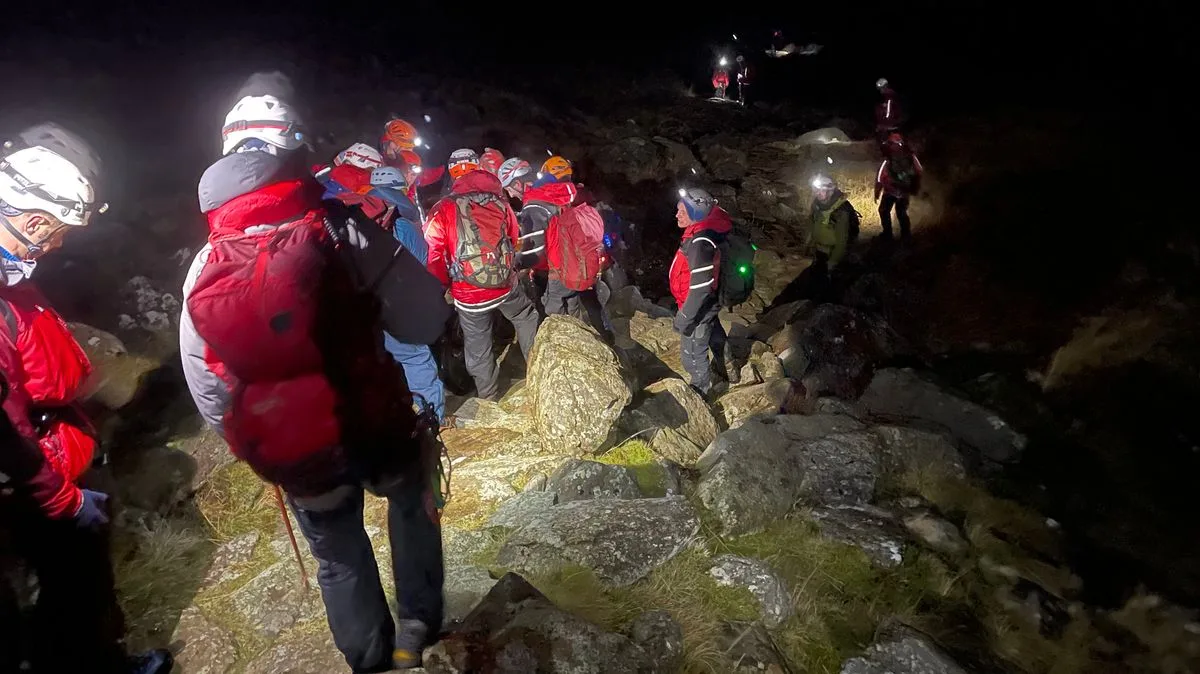
For two days, villagers and railway workers at Kleine Scheidegg watched in horror as the tiny figure battled for survival. Swiss mountain guides Christian Almer Jr. and Hans Schlunegger launched a brave rescue attempt, climbing towards the stricken man.

The Final, Heartbreaking Twist

Kurz, communicating with his rescuers in the freezing cold, was urged to attempt a descent. In a ghastly necessity, he was forced to cut away the bodies of his dead comrades to lower himself towards the waiting guides. Exhausted and suffering from severe hypothermia, he inched closer.

Then came the final, cruel twist of fate. After hours of painful effort, Kurz was finally within an arm's reach of salvation. It was at this moment he made a horrifying discovery: his rope was too short.

With all strength gone and no options left, the young climber uttered words that would echo through climbing history: "I can't go on." He then fell still. He had been within mere metres of rescue.

The 1936 Eiger disaster shocked Europe and inspired Heinrich Harrer's classic mountaineering book, The White Spider. The climbers are remembered in the features of the mountain: the Hinterstoisser Traverse, Rainer's Overhang, and the site of Kurz's Last Stand—a permanent memorial to human endeavour and the mountain's unforgiving nature.