17 Avalanche Deaths in Europe as 'Extreme Risk' Warnings Ignored
17 killed in European avalanches amid extreme warnings

A series of deadly avalanches across Europe has claimed at least 17 lives in the past month, as skiers and mountaineers ventured onto slopes despite repeated 'high' and 'extreme' danger warnings from regional authorities.

A Deadly Weekend in the Alps

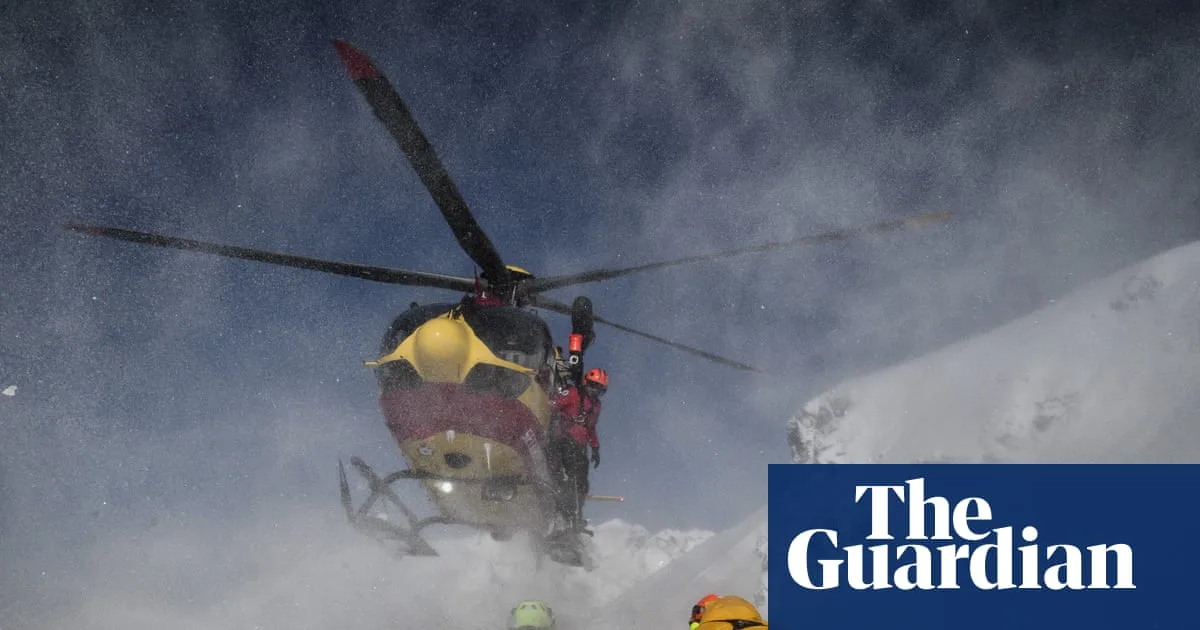
The past weekend proved particularly tragic, with eight avalanche-related fatalities reported. In south-eastern France, a British man, believed to be in his 50s, was killed while skiing off-piste at the La Plagne resort. Rescue teams were alerted on Sunday afternoon and dispatched over 50 responders, including medics, instructors, and a search dog deployed by helicopter.

The skier was located buried under roughly eight feet of snow after a 50-minute search but could not be revived. This incident was one of three fatal avalanches involving off-piste skiers in the French Alps that day.

Separately, in Vallorcine, Haute-Savoie, a 32-year-old ski patroller died after being swept into a tree by the force of an avalanche. Authorities also recovered the body of another skier buried in Courchevel.

The previous day, Saturday, saw two skiers killed in Val-d'Isère after being buried under 2.5 metres of snow. Another died at the Arêches-Beaufort resort while skiing off-piste with a companion.

Fatalities Across the Continent

The danger extended beyond France. In Austria, a female skier died on Sunday after being buried by an avalanche on Weerberg mountain in Tyrol. She was rescued in critical condition but later died in hospital in Innsbruck.

In Italy, a man was killed by an avalanche above the northern city of Aosta on Saturday. He was swept away below Pointe de la Pierre on a route popular with ski tourers. His body was recovered by the valley's avalanche rescue service.

Mounting Frustration and Safety Pleas

This deadly period unfolded as authorities had issued persistent Level 4 ('high') and Level 5 ('extreme') avalanche danger warnings, urging 'extreme vigilance' and cautioning against off-piste travel.

Rescue professionals have expressed frustration at the number of people tackling dangerous slopes without essential safety equipment, such as avalanche transceivers, shovels, or proper knowledge of the current risk levels.

Frédéric Bonnevie, president of the Association of Slope Safety (ADSP), took to social media to criticise the level of 'non-compliance with instructions'.

Experts consistently advise that anyone heading into the mountains should:

  • Carry essential avalanche safety gear (beacon, probe, shovel).
  • Travel with experienced partners.
  • Check official avalanche bulletins before departure.
  • Avoid off-piste and unpatrolled terrain during high-risk periods.

The heightened avalanche danger over the past month is attributed to heavy snowfall and strong winds. According to snow science experts, significant new snow deposits on top of older, weaker layers create unstable slabs that can be easily triggered.

Earlier incidents in the month contributed to the death toll. On January 2, two people died in separate avalanches in Italy's Piedmont region. On January 1, a snowshoer was killed in the Spanish Pyrenees. France also saw multiple fatalities in late December, including a professional mountain guide.

The message from authorities remains stark: the mountains demand respect, and ignoring official warnings can have fatal consequences.