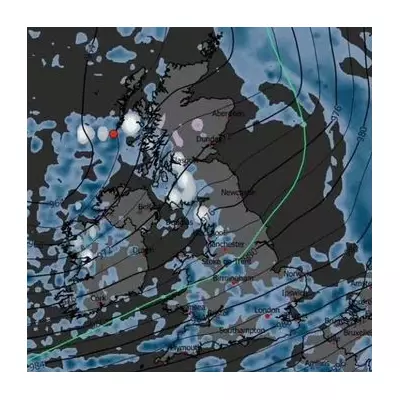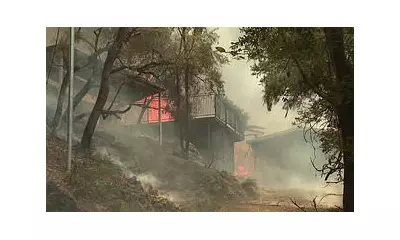
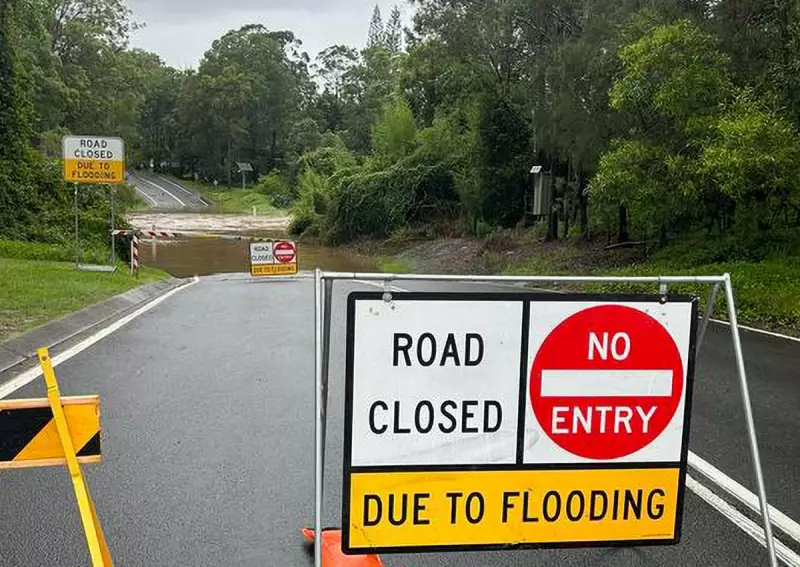
The Australian Bureau of Meteorology has made a controversial decision to remove a crucial free flood warning tool, a move that emergency services and local councils warn could have deadly consequences for communities across the nation.
What Exactly Has Been Removed?
The tool in question is the Flood Warning Summary Service, which was freely accessible on the Bureau's official website. This service provided a consolidated, real-time overview of all current flood watches and warnings across Australia. For emergency services, local councils, and residents in flood-prone areas, it served as a vital one-stop-shop for critical safety information.
According to the Bureau, the decision was made as part of a broader website upgrade. A spokesperson stated the service was removed to "simplify the user experience" and that the same information remains available through other channels on their website. However, critics argue that these alternative methods are more fragmented and less intuitive, requiring users to navigate through multiple pages for a comprehensive national picture.
Widespread Alarm from Emergency Leaders
The removal has triggered immediate and serious concern from those on the front lines of disaster management. The NSW State Emergency Service (SES) has been particularly vocal, stating the decision "has potentially deadly consequences." They emphasised that the tool was essential for their volunteers and operational staff to quickly grasp the national flood situation, enabling faster and more effective deployment of resources.
Local governments in flood-affected regions have echoed these fears. Councils argue that the free, easily accessible service was a lifeline for communities, especially those in regional and remote areas where internet connectivity can be unreliable. Forcing residents and local emergency coordinators to piece together information from various web pages could lead to dangerous delays during fast-moving flood events.
The Human Cost and What Happens Next
The core of the criticism centres on public safety and equity. The previous service democratised access to life-saving information. Its removal creates a barrier, potentially leaving the most vulnerable—including the elderly, those with limited digital literacy, and people in areas with poor internet—at greater risk.
This situation raises critical questions about the balance between technological modernisation and the core public service mandate of agencies like the Bureau of Meteorology. While website improvements are often welcome, the decision to axe a well-established and relied-upon safety tool without a direct, equally effective replacement has been widely condemned as a severe misstep.
The pressure is now mounting on the Bureau of Meteorology to reconsider its position. Emergency service organisations and community advocates are calling for the immediate reinstatement of the free, consolidated flood warning service, arguing that when it comes to public safety during natural disasters, clarity and ease of access to information are non-negotiable.