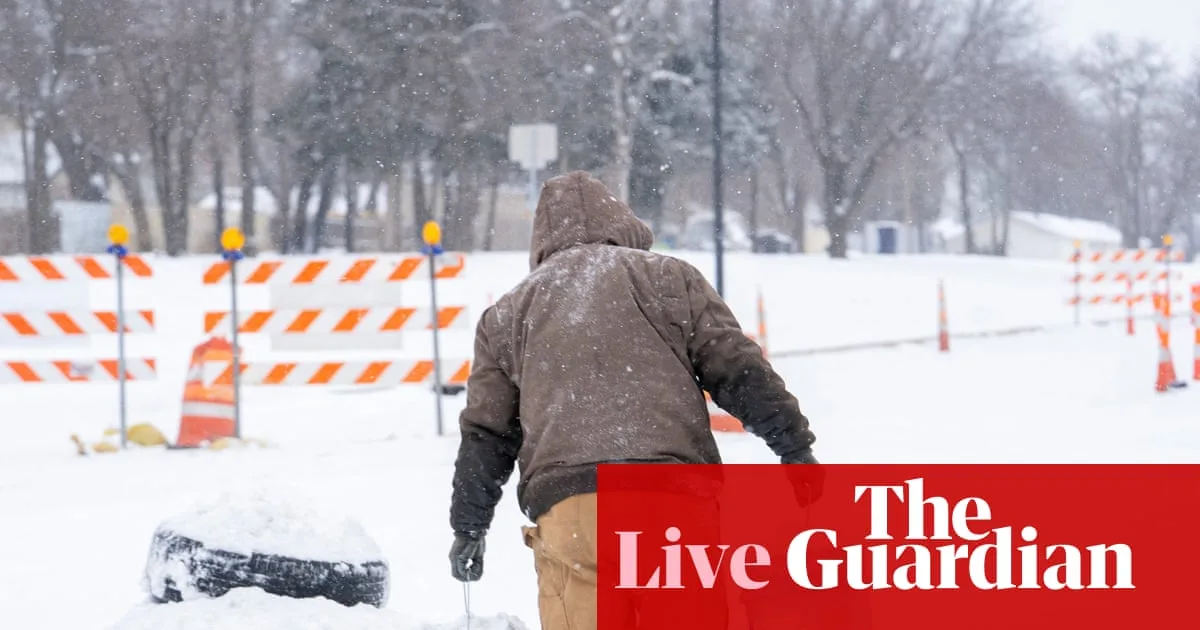
Forecasters have issued stark warnings about the potential for another perilous winter storm to strike the eastern United States this coming weekend. This alert follows the devastating impact of Winter Storm Fern, which has been confirmed to have claimed the lives of at least twenty-five individuals across multiple states.
Severe Cold and Impending Storm System
The National Weather Service has forecast dangerously cold temperatures across the eastern half of the country throughout this week. Frigid Arctic air is expected to expand across the region, bringing widespread sub-zero readings and potentially record-breaking low temperatures.
In a social media post, the NWS stated: 'Dangerous wind chills as low as -50°F will persist, and much below-normal temperatures may continue into early February.' The service added that 'Potential is increasing for another significant winter storm to impact the eastern United States this coming weekend.'
Meteorological Details and Model Predictions
A high-altitude disturbance is predicted to move from Canada on Thursday, deepening across the United States by Sunday. This development is expected to create a strong surface low-pressure system capable of generating substantial winter weather.
WSVN Meteorologist Dylan Federico emphasised the severity of the approaching cold snap on social media, writing: 'The cold coming this weekend is the real deal! The EURO is one of the coldest model runs I’ve ever seen, with below-zero wind chills down to the Gulf Coast on Saturday morning!'
While specific details about the storm's track and precipitation types remain uncertain this early in the forecast period, meteorologists agree that the combination of very cold temperatures and potential snowfall could put millions of residents at risk.
Winter Storm Fern's Deadly Legacy
The new weather threats emerge as communities continue to grapple with the aftermath of Winter Storm Fern. According to Associated Press reports, the death toll from this previous system has now reached twenty-five victims nationwide.
In New York City, authorities reported at least eight people were found dead outdoors as temperatures plummeted between Saturday and Monday morning. The exact causes of these fatalities remain under official investigation.
Tragic incidents occurred across multiple states:
- In Emporia, Kansas, police discovered a 28-year-old teacher deceased and covered in snow after she was last seen leaving a bar without her coat or mobile phone.
- Snowplow accidents proved fatal in Norwood, Massachusetts, and Dayton, Ohio, where two individuals were reportedly backed into by the vehicles.
- Sledding accidents claimed the lives of two teenagers, one in Arkansas and another in Texas.
Additional fatalities were reported with three deaths each in Louisiana, Pennsylvania, and Tennessee; two deaths in Mississippi; and one in New Jersey.
Transportation Disruption and Infrastructure Damage
Aviation Chaos
The winter weather has created massive disruptions to air travel across the United States. Boston Logan International Airport implemented a ground stop following an airline request, while the Federal Aviation Administration reported flight delays of at least eighty minutes due to snow and ice accumulation.
According to FlightAware data from Monday evening, at least 6,095 flights experienced delays with an additional 5,183 cancellations affecting travel within, into, or out of the country.
Power Infrastructure Strain
Energy systems have been severely tested by the winter conditions. PowerOutage.com reported more than 690,000 customers without electricity nationwide by Monday afternoon.
The southern United States experienced particularly severe outages, where freezing rain over the weekend caused tree limbs and power lines to snap under the weight of ice accumulation. Northern Mississippi and parts of Tennessee suffered crippling power disruptions that left many residents without essential services.
As recovery efforts continue from Winter Storm Fern, emergency services and utility companies are now preparing for the possibility of another significant winter weather event that could further strain resources and endanger vulnerable populations across the eastern United States.