Hypothermia Threat Escalates Across Mississippi and Tennessee Amid Prolonged Power Outages
Hypothermia Risk Soars in Mississippi and Tennessee

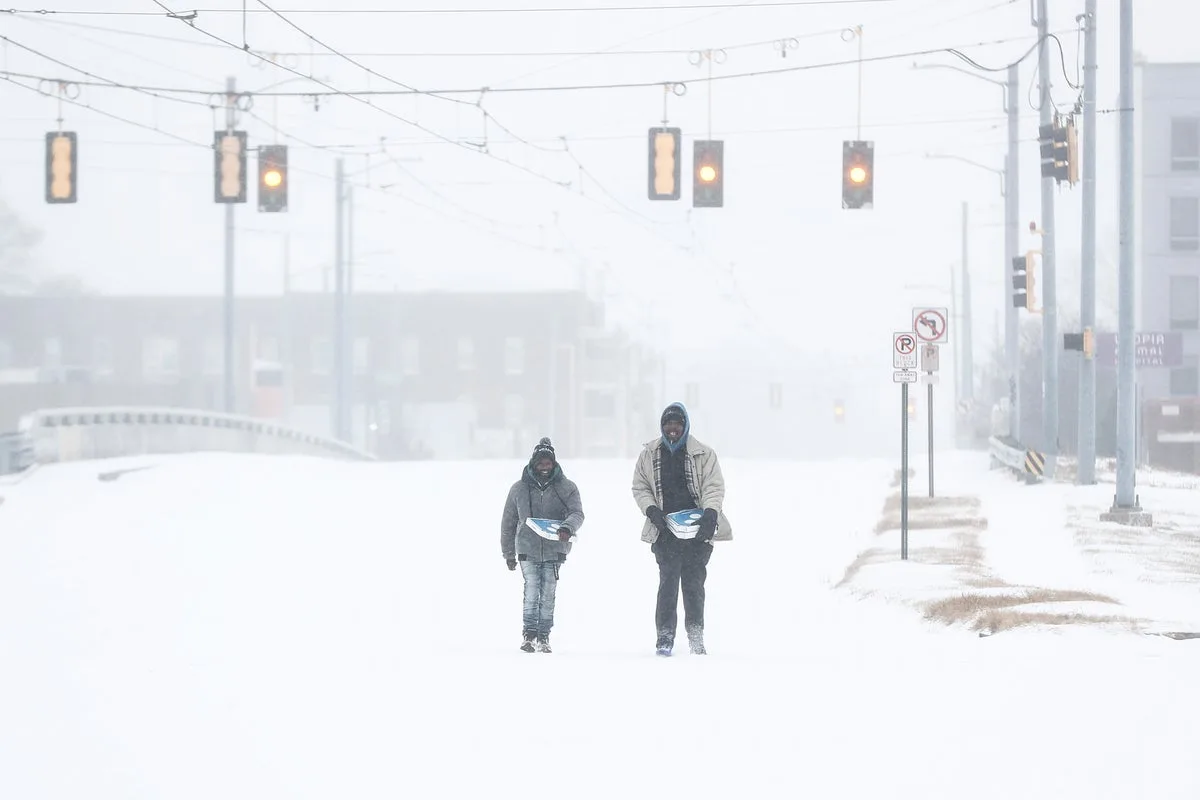
Another surge of perilously cold air is advancing towards the southern United States, with medical experts warning that the threat of hypothermia is intensifying for communities across Mississippi and Tennessee. Thousands of residents are now entering their sixth consecutive day confined to their homes without electricity amidst persistently subfreezing temperatures, creating a dire public health emergency.

Prolonged Exposure Amplifies Health Dangers

Dr. Hans House, a professor of emergency medicine at the University of Iowa, emphasised the cumulative effect of cold exposure. "The longer you're exposed to the cold, the worse it is," he stated. "The body can handle cold temperatures briefly very well, but the prolonged exposure is a problem."

The National Weather Service has issued alerts that arctic air moving into the Southeast will drive temperatures down into the teens (approximately minus 10 degrees Celsius) on Friday night. Cities like Nashville, where over 79,000 homes and businesses remain without power nearly a week after a major storm, are particularly vulnerable.

Vulnerable Populations and Worsening Conditions

Dr. Zheng Ben Ma, medical director of the University of Washington Medical Center's northwest emergency department, explained that vulnerable groups—including the elderly, infants, and those with pre-existing health conditions—may have begun showing hypothermia symptoms within hours of exposure. These symptoms range from severe exhaustion and confusion to slurred speech and memory loss.

Dr. Ma further cautioned that the extended crisis is reaching a critical juncture. "Once you get into days six, seven, upwards of 10, then even a healthy, resilient person will be more predisposed to experiencing some of those deleterious effects of the cold temperature," he noted, indicating that generally healthy younger individuals could now also succumb to these dangerous symptoms.

State and Local Response Efforts

In response to the escalating crisis, hundreds of National Guard troops were mobilised on Thursday in both Mississippi and Tennessee. Their missions include clearing debris and assisting individuals stranded in vehicles or isolated at home without power.

Mississippi Governor Tate Reeves confirmed that Guard troops are delivering essential supplies such as meals, blankets, and other necessities via truck and helicopter. Meanwhile, Tennessee Governor Bill Lee reported that crews have distributed more than 600 units of warming supplies and over 2,200 gallons (8,328 litres) of fuel.

Nashville Mayor Freddie O'Connell highlighted that the city utility has deployed the largest contingent of line workers, crews, and vegetation support personnel in its history to restore electricity. However, a clear timeline for full power restoration, especially in remote rural areas, remains uncertain.

Fatalities and Secondary Hazards

The severe weather has already proven deadly. At least 85 fatalities have been reported across regions affected by the bitter cold from Texas to New Jersey, with approximately half of these deaths occurring in Tennessee, Mississippi, and Louisiana. While hypothermia is a confirmed cause in some cases, others are suspected to be linked to carbon monoxide poisoning from improper indoor heating.

Dr. Abhi Mehrotra, an emergency medicine physician at the University of North Carolina at Chapel Hill, stressed the critical importance of ensuring that indoor heat sources, including generators, are properly ventilated to prevent carbon monoxide emissions, which can be fatal.

Widespread Outages and Historical Context

According to data from the outage tracking website poweroutage.us, more than 230,000 homes and businesses were without electricity on Thursday night. The vast majority of these outages were concentrated in Mississippi and Tennessee, each reporting roughly 87,000 affected properties.

Mississippi officials have described this as the state's most severe winter storm since 1994. In response, approximately 80 warming centres have been opened across the state, which is recognised as one of the nation's most economically disadvantaged regions.

Ongoing Weather Forecast and Regional Impact

Forecasters warn that subfreezing conditions are expected to persist across the eastern United States well into February. There is a high probability of heavy snowfall this weekend in the Carolinas, Virginia, and northeast Georgia, with some areas of North Carolina potentially receiving up to a foot (30 centimetres) of snow. Additional snow is also possible along the East Coast from Maryland to Maine.

The National Weather Service indicated a chance of freezing rain in parts of Mississippi on Thursday night, with light snow showers possible in Nashville overnight Friday. Meteorologists have identified the combination of extreme cold and subzero wind chills (reaching as low as minus 18 degrees Celsius) as presenting the greatest immediate danger to life and health.