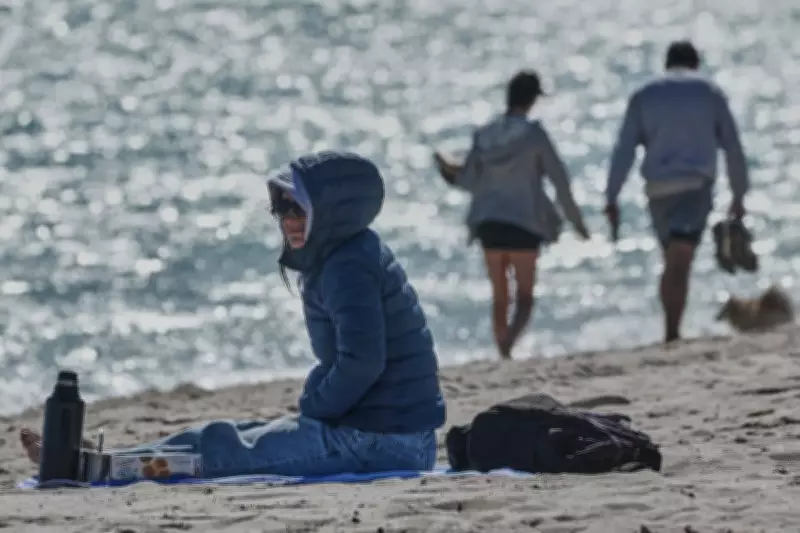
As winter storms continue to batter other regions of the United States, Florida is bracing itself for an unusual bout of frost and the possibility of fleeting snow flurries. While the Sunshine State will not experience the heavy blankets of snow and ice seen elsewhere, even a touch of frost on windshields and a few light flurries can feel shockingly cold to residents accustomed to warmer climates and permanent sandal tans.
Record Cold Temperatures Forecast for Florida
A significant cold front is expected to sweep across Florida this weekend, potentially bringing record-setting low temperatures. Ana Torres-Vazquez, a forecaster with the National Weather Service in Miami, explained that while temperatures have already dipped earlier this week, the upcoming chill could be historic.
"It looks like temperatures across South Florida are dipping into the 30s (Fahrenheit) for most of the metro area and maybe into the 20s for areas near Lake Okeechobee," Torres-Vazquez said. "And then the windchill could make those temperatures feel even cooler."

She advised residents, who are less likely to own heavy winter clothing, to layer up with lighter garments and minimise time spent outdoors to stay safe.
Potential for Snow Flurries in Tampa Bay Area
Moving north, the Tampa Bay area faces a 10 to 20 percent chance of snowfall this weekend. Tony Hurt, a National Weather Service forecaster for the region, noted that any snow would likely manifest as flurries without accumulation.
"Most likely if there’s any snow that does actually materialize, it’ll be primarily in the form of flurries, no accumulations," Hurt said.
Historical records show that the area last saw snow flurries in January 2010 and December 1989, with the record snowfall occurring in January 1977, when about 2 inches (5 centimetres) fell approximately 20 miles (32 kilometres) east of Tampa.
Despite the chilly forecast, Tampa will proceed with the annual Gasparilla Pirate Fest on Saturday, and the Tampa Bay Lightning are scheduled to host the Boston Bruins for an outdoor NHL game on Sunday at the Tampa Bay Buccaneers' NFL stadium.
Impact on Tourism and Attractions
Tourists visiting Florida this weekend will find ocean swimming and sunny beach lounging off the agenda, but most major attractions plan to remain open. The majority of Walt Disney World and Universal Orlando will operate normally, though their water parks will be closed due to the cold. Similarly, most of the state's zoos and animal parks will stay open, with keepers implementing measures to protect the inhabitants from the chill.
Zoo Animals Receive Special Care
Zoo Miami spokesman Ron Magill detailed the preparations underway to keep animals safe and warm. Keepers have been setting up heaters and moving reptiles and smaller mammals to indoor enclosures. Primates such as chimpanzees and orangutans are being provided with blankets for extra warmth.
"It can be invigorating for animals like the tiger, so they’ll actually become more active," Magill said, noting that big cats and large hoofed animals generally tolerate colder temperatures well and require minimal assistance.
Outside zoo environments, Florida's native wildlife has evolved to survive occasional cold snaps, though some casualties are inevitable. Manatees, for instance, have long congregated at the warm-water outflows of power plants around the state. However, invasive species like iguanas and other exotic reptiles are expected to suffer the most, often entering a torpid state or falling from trees during cold periods.
"At the end of the day, they don’t belong here, and that might be nature’s way of trying to clean that up a little bit," Magill remarked. "That is a part of natural selection."
Farmers Prioritise Crop Protection
Florida's agriculture industry is also on high alert, with farmers working diligently to safeguard their crops as the winter harvest continues and spring planting begins in some areas. Christina Morton, spokeswoman for the Florida Fruit & Vegetable Association, outlined the varied preparations.

"Preparations vary by crop and include harvesting and planting ahead of the freeze, increasing water levels in ditches, using overhead irrigation, and, in some cases, deploying helicopters to protect sensitive fields," Morton said.
Broader US Weather Context
This Florida deep freeze coincides with an arctic blast from Canada spreading into southern US states, where thousands remain without power for heating. Meanwhile, mid-Atlantic states are preparing for possible blizzard conditions as a new storm is forecast to churn along the East Coast.
National Weather Service forecasters warn that temperatures in hard-hit northern Mississippi could feel as cold as minus 5 degrees Fahrenheit (minus 21 degrees Celsius) when strong winds are factored in. A large portion of the southeastern US is under various alerts for extremely cold weather, with the storm expected to hit the Eastern Seaboard prompting further warnings in the Carolinas and nearby states.
The weather service has cautioned that this storm could bring heavy snow and strong winds, potentially creating "dangerous, near-blizzard conditions" for affected regions.