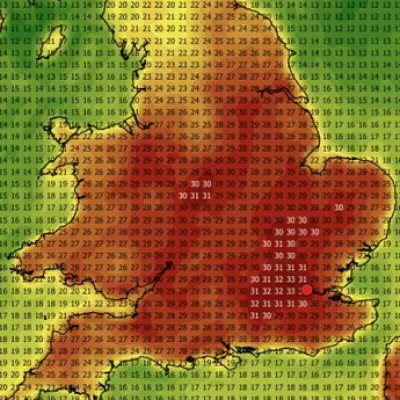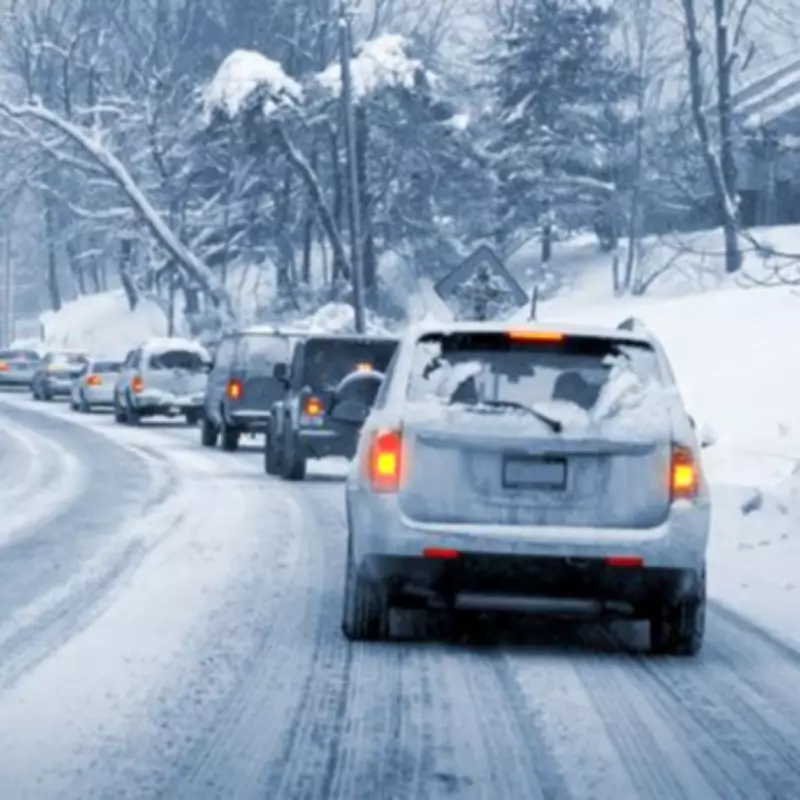
Motorists across the United Kingdom are being strongly advised to make one crucial adjustment to their driving habits as meteorological models indicate the potential return of the notorious 'Beast from the East' weather system. This powerful storm could unleash significant snowfall, with some projections suggesting accumulations of up to 26 inches in parts of the country, creating hazardous road conditions.
Weather Maps Signal Impending Snowfall
According to the latest GFS weather model data, a substantial mass of snow is forecast to develop to the east of Britain around February 8th. While initial flurries in northern England and Scotland may appear light, meteorologists warn this weather front could converge with another system approaching from the south. This collision could result in widespread snowfall affecting regions right across the nation, prompting urgent safety warnings for drivers.
Critical Safety Advice for Winter Driving
With accident rates typically soaring to six times higher between October and March, car insurance specialists from Quotezone.co.uk are emphasising the importance of dramatically increasing stopping distances. In snowy and icy conditions, the distance required to bring a vehicle to a complete stop can be up to ten times longer than under normal dry conditions. Even on wet roads, drivers should allow at least double the usual stopping distance.

Greg Wilson, CEO and car insurance expert at Quotezone, stated: "It's crucial that drivers don't underestimate winter weather and are fully prepared for worsening conditions. With accidents more likely throughout the winter months, remembering stopping distances and giving other drivers plenty of space is key."
Understanding Stopping Distances
The Highway Code provides clear guidance for stopping distances in ideal conditions: 23 metres at 30mph, 53 metres at 50mph, and 96 metres at 70mph (approximately 24 car lengths). However, these figures become dangerously inadequate during winter months. Stopping distance comprises both thinking distance (the time it takes to perceive a hazard and react) and braking distance (the actual physical stopping of the vehicle). Factors like fatigue, stress, or distraction can significantly extend thinking distance, further compromising safety.
Expert Winter Driving Recommendations
Insurance professionals have compiled essential guidance for navigating potentially treacherous conditions:
- Increase stopping distances substantially: Allow up to ten times normal distance on icy roads and at least double on wet surfaces.
- Reduce your speed appropriately: Drive below speed limits when conditions deteriorate to maintain control and reaction time.
- Maintain clear visibility: Completely clear all windows of frost, ice, and condensation before departure and use headlights in poor visibility.
- Check tyre condition: Ensure tread depth exceeds the legal 1.6mm minimum and maintain correct pressure for optimal grip.
- Prepare for black ice: Exercise particular caution on shaded roads, bridges, and overpasses where black ice commonly forms.
- Pack emergency supplies: Carry an ice scraper, de-icer, warm clothing, blankets, and ensure mobile phones remain charged.
- Plan journeys carefully: Check weather forecasts and traffic updates, allowing extra travel time when conditions are poor.
Wilson added an important insurance warning: "If drivers are involved in an accident when driving in ice or snow, their insurer could challenge the claim if they were found to be driving negligently, such as ignoring safety advice or speeding."
As the nation braces for potential severe winter weather, these precautionary measures could prove vital for road safety. Motorists are encouraged to heed expert advice rather than relying on informal sources, ensuring they're properly prepared for whatever conditions the 'Beast from the East' might deliver.