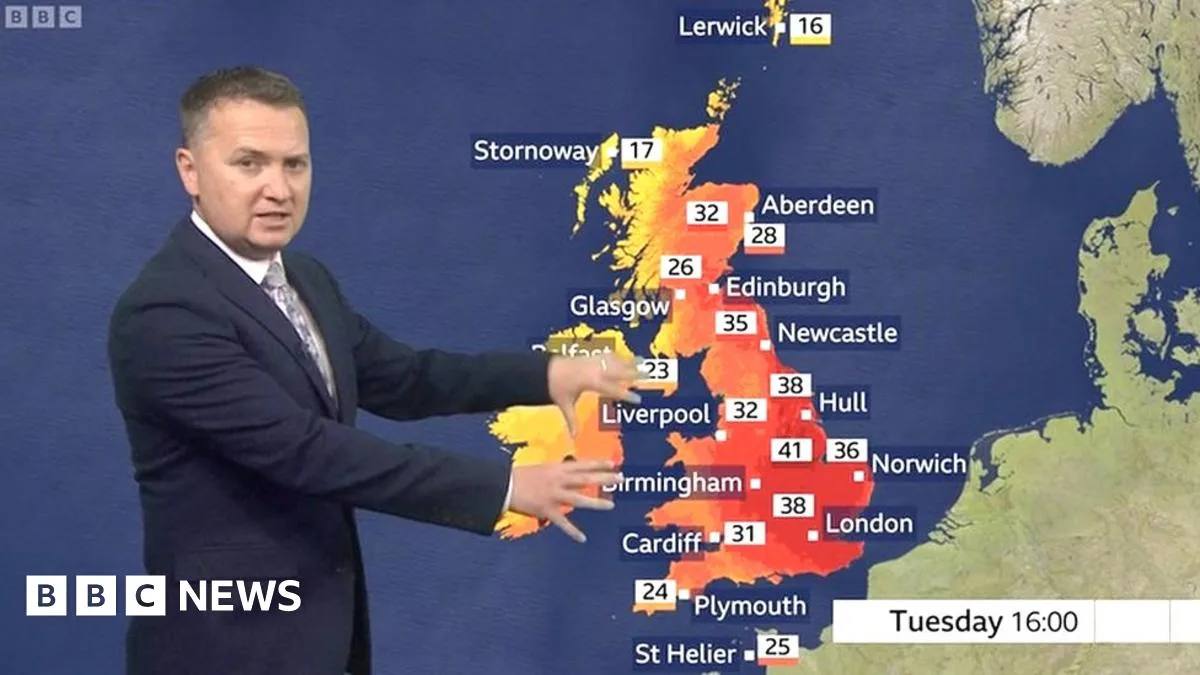
Weather forecasters in the UK have reported unprecedented levels of trolling during this month's extreme heat, with the BBC's team receiving hundreds of abusive tweets and emails. The abuse, which included personal insults and accusations of lying, was often linked to reporting on the connection between the heatwave and climate change.
BBC meteorologist Matt Taylor, with nearly 25 years of experience, said he had never experienced such a hostile response. 'It's a more abusive tone than I've ever received,' he said, adding that he had to disengage from social media as it became too depressing. Colleagues at the Met Office and Royal Meteorological Society faced similar treatment, including public ridicule and accusations of being blackmailed.
The UK recorded its highest temperature ever on 19 July, exceeding 40C for the first time. The Met Office estimated that climate change made the heatwave ten times more likely. Despite this, many social media users dismissed the severity, comparing it to the 1976 heatwave, which peaked at 35.9C. Nine of the ten hottest UK days on record have occurred since 1990.
Professor Liz Bentley, chief executive of the Royal Meteorological Society, noted that abusive comments increase when climate change is part of the story. Met Office lead meteorologist Alex Deakin called for respect, saying, 'Show a bit of respect and do a bit more research rather than just believe Bob down the pub or Tony on YouTube.'
BBC meteorologist Tomasz Schafernaker emphasised that forecasters report facts, not conspiracy. Jennifer Bartram, BBC North East's weather forecaster, linked the abuse to high-level climate disinformation, describing it as 'demoralising'. Matt Taylor said covering the heatwave felt like a turning point in public attitude towards climate change, adding, 'Our climate has changed, so our reporting and response also has to change.'
BBC Weather condemned the abuse, stating it is unacceptable for staff to receive such treatment for doing their job.