A powerful earthquake with a magnitude of 5.1 has struck the Mediterranean, sending tremors through southern Italy and the island of Malta. The seismic event occurred in the early hours of the morning, shaking residents from their sleep and prompting reports of significant alarm.
Details of the Seismic Event
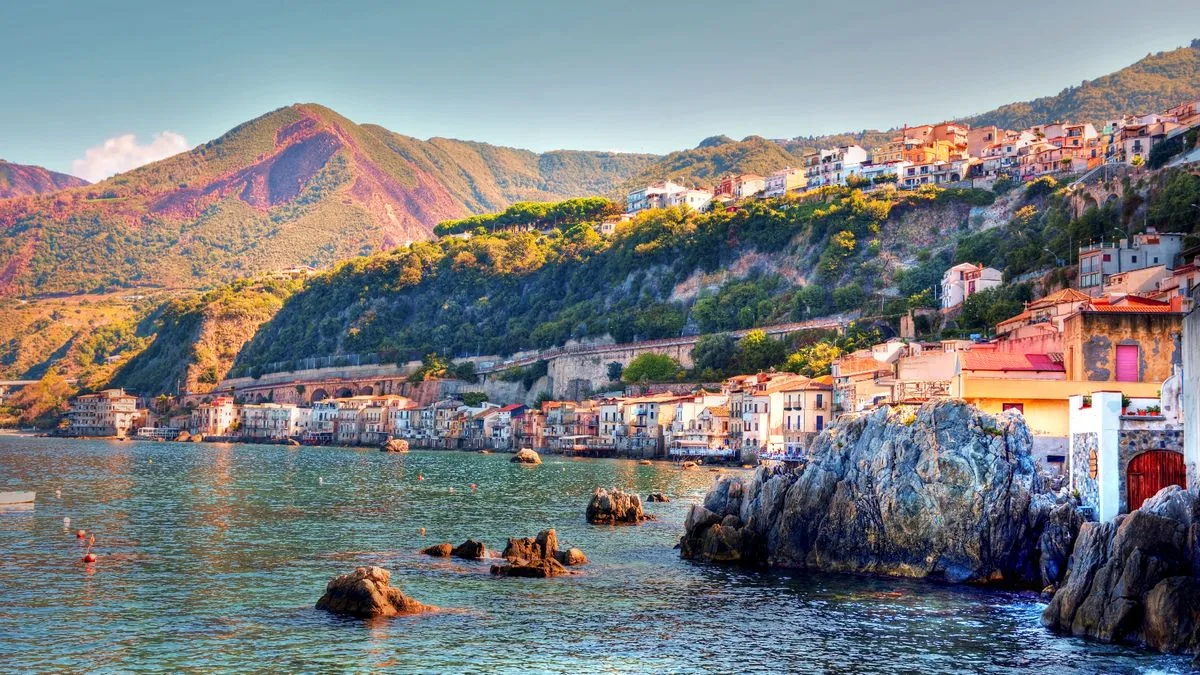
The earthquake's epicentre was located off the coast of Reggio Calabria, at the southern tip of the Italian peninsula. According to seismic monitoring agencies, the tremor hit shortly before 6:00 AM local time on Saturday, 10th January 2026.
The force of the quake was substantial enough to be felt across a wide area. Residents in multiple regions of Italy reported strong shaking. Notably, the tremors travelled across the Mediterranean Sea, with people in Valletta, the capital of Malta, also feeling the ground move.
Immediate Impact and Public Response
Local authorities have confirmed that the event caused a "lot of fear" among the population. Many inhabitants were reportedly shaken awake by the force of the tremor, leading to scenes of anxiety and confusion in the affected zones.
Despite the strength of the earthquake and the widespread alarm, the initial aftermath has brought a measure of relief. There have been no reports of injuries or significant structural damage at this early stage. Emergency services are conducting assessments, but the absence of immediate casualty reports is a positive sign.
Analysis and Regional Context
Earthquakes of this magnitude in the region are a stark reminder of the seismic activity present in the Mediterranean basin. The area near Reggio Calabria is no stranger to tectonic movements, given its proximity to major fault lines.
The fact that the tremors were felt over 350 kilometres away in Malta underscores the quake's potency. It serves as a critical test for the disaster preparedness protocols of both Italy and Malta. Experts will continue to analyse aftershock data and review the event's characteristics in the coming days.
For now, communities are advised to remain vigilant for potential aftershocks and to follow official guidance from local civil protection agencies.