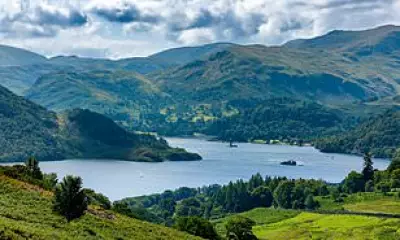
Just over six miles from the heart of Sheffield, nestled in the serene Loxley Valley, lies the picturesque village of Low Bradfield. This quintessential South Yorkshire spot offers a perfect rural escape, boasting tranquil walking routes and a deep, though sombre, history that contrasts sharply with its present-day charm.
The Catastrophic Flood of 1864
Low Bradfield's peaceful appearance belies a devastating chapter from the Victorian era. On the night of March 11, 1864, the dam wall of the nearby Dale Dike Reservoir catastrophically failed. The breach unleashed a colossal wall of water—estimated at a staggering over 700 million gallons—which surged down the valley towards the unsuspecting communities below.
This event, known as the Great Sheffield Flood, remains one of Britain's deadliest inland water disasters. It claimed more than 250 lives across the valley as the torrent swept away homes, mills, and bridges. Miraculously, in Low Bradfield itself, only one resident was recorded as having perished, thanks largely to timely warnings that prompted a swift evacuation.

However, the village's infrastructure was not so fortunate. The destructive force of the floodwaters obliterated the local corn mill, blacksmith's forge, schoolrooms, the schoolmaster's house, and a farmhouse, leaving a landscape of ruin in its wake.
A Village Reborn: Charms and Landmarks Today
Despite this tragic past, Low Bradfield has been lovingly rebuilt and today radiates a quiet, appealing charm. The heart of the village is its attractive cricket ground, around which community life revolves. Visitors are well catered for, with excellent local amenities including a shop and, notably, a superb traditional pub.
That pub, The Bradfield Plough (formerly The Plough Inn), is a quintessential country alehouse. It welcomes walkers and locals alike with its crackling fire, historic oak beams, and original brickwork. Patrons praise its great selection of ales and the friendly, chatty staff, though booking ahead is often advised due to its popularity.
Some of the most photographed features in Low Bradfield are its beautiful stone bridges spanning the babbling stream that runs through the village centre. Smithy Bridge and Mill Lee Road Bridge are not just functional crossings; they are picturesque landmarks offering stunning views of the Yorkshire valley and serving as key waypoints for ramblers.
Walking Through History and Nature
The village is a major draw for walkers and outdoor enthusiasts. Popular routes follow the gentle River Loxley, head towards its source, or venture out to the nearby Agden Reservoir, which now stands as a peaceful contrast to the failed Dale Dike.
For those keen to connect with the area's poignant history, the Great Sheffield Flood Walk is a compelling option. This trail guides hitters through Low Bradfield and across surrounding woodlands and moors, offering insights into the scale and impact of the 1864 disaster.
Just half a mile uphill, connected by a steep, scenic lane, sits Low Bradfield's sister village, High Bradfield. It escaped the flood's direct wrath and retains historical features unchanged for centuries. On its edge stands a mysterious, man-made conical mound about 10.5 metres high, a Scheduled Ancient Monument that some experts believe could be an ancient Saxon fortification.
Today, Low Bradfield stands as a testament to resilience. It masterfully blends its compelling and tragic history with its modern role as a delightful gateway to the Peak District—a perfect spot for a reflective day trip or a peaceful getaway from city life.