Millions of homes and businesses across England are now under threat from surface water flooding, which has become the single largest contributor to the nation's flood risk. As climate breakdown intensifies, traumatised homeowners are uniting to form a powerful collective voice demanding urgent help.
A Life in Constant Fear of the Deluge
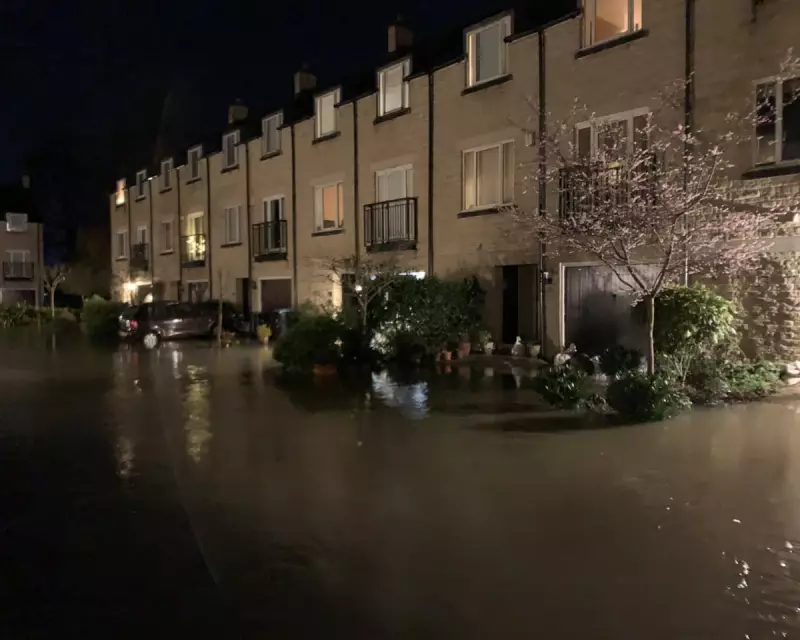
For Darren Ridley from Folkestone, life is defined by hypervigilance. He is perpetually on high alert, checking his phone for rain warnings even in the dead of night. His house floods at least twice a year, with his garden inundated far more frequently, often by a torrent of raw sewage. "Our whole family is permanently on edge," Ridley confesses. "If we hear rain, day or night, we're up and checking the house."
The trauma is profound. Ridley suffers from PTSD and describes his family as "flood-scarred." He recounts the horror of finding condoms and sanitary towels hanging from his apple trees after a deluge. "My children grew up in sewage," he states bluntly. Despite 26 years of pleading with the council and Southern Water, he feels ignored because only a handful of properties are affected on his street.

This story of distress and bureaucratic neglect is not unique. Heather Shepherd, a resident of north Shropshire, has been flooded six times in just three years. She has invested over £70,000 in flood-resistant adaptations, yet feels powerless. "Water is relentless," she says, having lost many treasured belongings. For at least half the year, she lives trapped in a "revolving, repeating nightmare."
The Rising Tide of a National Emergency
Flooding represents one of the UK's most pressing emergencies. Official data reveals that over 6 million properties in England are currently at risk from rivers, the sea, sewage, or surface water. Alarmingly, this figure is projected to rise to roughly 8 million—one in four properties—by 2050 as the climate crisis deepens.
The nature of the threat is shifting. While coastal and river flooding remain significant, surface water flooding—caused by heavy rainfall overwhelming drainage systems—is now the leading contributor. It threatens approximately 4.6 million homes and businesses in towns and suburbs, making it a ubiquitous danger far from traditional floodplains.
New research from the National Emergencies Trust and Lancaster University exposes a stark support gap. Nearly half of all flood survivors surveyed received no professional help. Many are plunged into debt or exhaust their savings due to bureaucratic hurdles blocking access to grants or insurance.
"Flood survivors describe sleepless nights, hypervigilance during rain and children struggling at school," says Mhairi Sharp, Chief Executive of NET. "The psychological scars persist long after the water recedes."
Uniting for a Powerful Collective Voice
Frustrated by being isolated "little pockets of protest," victims have formed the not-for-profit organisation Flooded People UK (FPUK). Co-founded by Heather Shepherd, FPUK aims to empower victims to support each other and build a lobbying force powerful enough to drive national policy change.
William Wareing, Chair of the Witney flood group in West Oxfordshire—flooded three times since 2007—sees FPUK as the only way to be heard. "Flooded People UK is bringing us all together, so that we can have one voice and change government policy," he asserts.
The group is challenging conventional power dynamics by placing the lived experience of flooded people at the centre of policy discussions, rather than leaving it solely to engineers and regulators. This approach highlights the severe human, social, and mental health impacts often overlooked in technical debates.
Wareing argues that while climate change is a long-term challenge, three other causes must be addressed with urgency: inappropriate development, a lack of defences, and poor maintenance of existing infrastructure.
Heather Shepherd issues a stark warning: "The urgency could not be greater. Without stronger planning reforms, investment in infrastructure and a meaningful national strategy to deal with sewage and drainage failures, more families risk being left living in constant fear of the next deluge—and paying with their homes, their health and their peace of mind."