Storm Chandra Unleashes Severe Flooding Across the UK
Britain is grappling with the devastating aftermath of Storm Chandra, with fears mounting that further heavy rainfall could precipitate the worst flooding witnessed in more than a decade. As of Thursday, 29 January 2026, dozens of flood warnings remain active across the nation, with communities from Somerset to Dorset facing significant disruption and danger.
Widespread Disruption and Major Incidents Declared
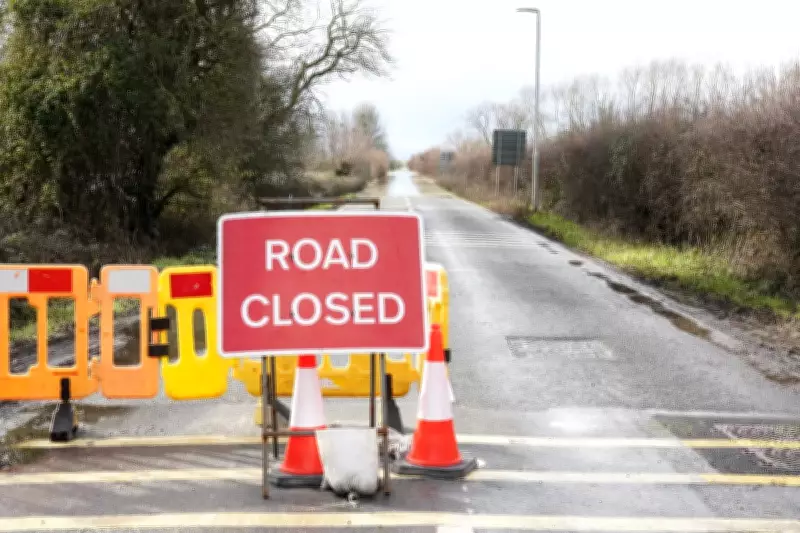
The storm has already flooded more than 60 properties across England, prompting authorities to declare a major incident in Somerset on Tuesday. On Thursday, the Met Office issued a rain warning for the south-west of England, effective from noon until Friday, exacerbating concerns as precipitation falls on already saturated ground. This has led to blocked roads in the West Country and railway disruptions warned by National Rail until Friday.
Currently, 76 flood warnings are in place, predominantly in the south-west, including a severe "danger to life" warning at Ilford Bridge Home Park in Dorset, forcing resident evacuations. Retired couple Lesley and John Parker, living on the Somerset Levels, described the conditions as the scariest since the severe floods of 2014, highlighting the personal toll on affected households.

Understanding Storm Chandra's Formation and Impact
According to the Met Office, Storm Chandra originated from a deepening Atlantic low that tracked eastwards, bringing a vigorous fetch of moist air from the south-west. As it approached the UK, the system intensified, delivering unusually strong easterly winds to parts of Northern Ireland and gusty winds to the Isles of Scilly, Cornwall, and south-western Wales—areas already damaged by Storm Goretti.
The storm pushed persistent heavy rainfall into Dorset, Somerset, and Devon, with an Amber warning reflecting worries over rainfall accumulations. Recorded rainfall totals were staggering, with White Barrow in Devon receiving 115.1 mm, the highest during the storm, and Katesbridge in County Down recording 114.8 mm, underscoring the storm's broad and severe footprint.
Safety Measures and Community Response
In response to the crisis, the Met Office has urged drivers and residents in affected areas to prepare a floodkit, including insurance documents, torches, first aid supplies, warm clothing, and emergency rations. Authorities emphasise that it is not safe to drive, walk, or swim through floodwater, advising people to call 999 if faced with fast-flowing or deep water.
Additionally, tips for staying safe during flooding include checking local flood advice, charging mobile devices, parking cars outside flood zones, and turning off gas, water, and electricity supplies. For driving in foggy conditions—expected overnight—experts recommend using fog lights correctly, maintaining increased gaps between vehicles, and ensuring proper windscreen de-misting.
Human Stories and Infrastructure Challenges
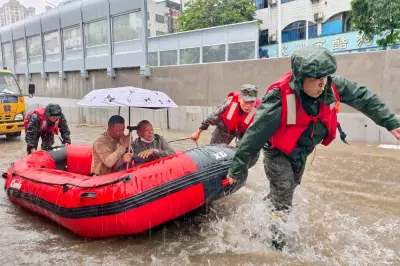
The human impact of Storm Chandra is stark, illustrated by incidents such as a married couple in Antrim who had to be rescued by boat from waist-high water in their home. David Leatherman and Jim Cunningham expressed frustration over the Department for Infrastructure's handling of the damage, with Minister Liz Kimmins acknowledging the devastation and explaining the strain on resources amid thousands of calls.
As clean-up efforts begin in areas like Enniscorthy, the UK faces ongoing challenges with flood management and emergency response. The combination of heavy rainfall, saturated ground, and existing flood warnings suggests that the situation may worsen, potentially marking this as one of the most significant flooding events in recent memory.