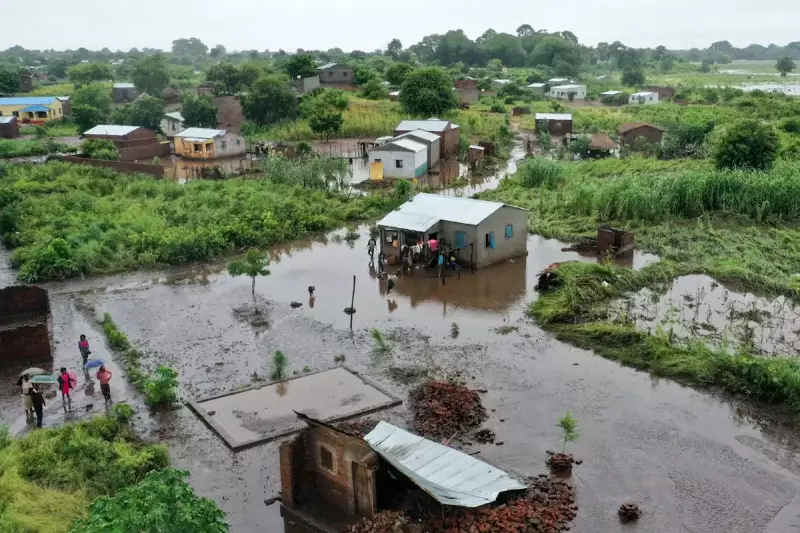
Catastrophic flooding triggered by relentless torrential rain has claimed the lives of more than 100 people across several southern African nations, with authorities issuing urgent warnings of further severe weather to come.
Nations Grapple with Mounting Death Toll
The scale of the disaster is vast, with multiple countries reporting significant casualties and damage. In Mozambique, the situation is particularly dire. The country's Institute for Disaster Management and Risk Reduction has reported a devastating 103 deaths since the unusually severe rainy season began late last year. These fatalities resulted from a combination of lightning strikes, drownings, collapsing infrastructure, and cholera outbreaks.
Neighbouring Zimbabwe has recorded 70 deaths and seen more than 1,000 homes destroyed since the start of January, with schools, roads, and bridges also collapsing. South Africa has confirmed at least 19 fatalities in its northern provinces following downpours that started last month.

Other nations have not been spared. The island of Madagascar has reported 11 flood-related deaths since late November, while Malawi and Zambia have also been impacted by the deluge.
Infrastructure Crippled and Landmarks Submerged
The floods have brought normal life to a standstill and caused severe damage to critical infrastructure. South Africa's iconic Kruger National Park, which spans approximately 22,000 square kilometres, has been forced to close. Spokesperson Reynold Thakhuli confirmed that around 600 tourists and staff were evacuated by helicopter to higher ground after several rivers burst their banks, flooding camps. The park agency stated that washed-out roads and bridges have rendered parts of the reserve inaccessible.
In Mozambique, the World Food Programme indicated that the worst flooding has hit central and southern regions, affecting over 200,000 people. Thousands of homes have been damaged, forcing the evacuation of tens of thousands. The agency also highlighted that more than 70,000 hectares of crops, including vital staples like rice and maize, have been submerged, deepening food insecurity for countless small-scale farmers.
Rescue Efforts and Climate Context
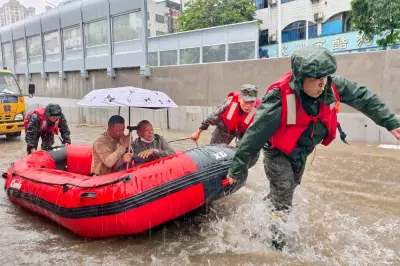
Emergency services are engaged in a desperate race against time. The South African army has deployed helicopters to rescue people, including border officials, trapped on rooftops and in trees in the country's north. South African President Cyril Ramaphosa visited stricken areas in Limpopo province on Thursday 15 January 2026, revealing the region had received about 400 millimetres of rain in less than a week. He described one district where 36 houses had been completely erased.
The South African Weather Service has issued a red-level 10 alert for parts of Limpopo and Mpumalanga, warning of continued heavy rain posing a significant threat to life. Meteorologists suggest the extreme rainfall may be linked to the La Niña weather pattern, known for bringing heavy precipitation to southeastern Africa. This disaster is the latest in a series of extreme weather events, from cyclones to droughts, that have battered the region in recent years, exacerbating existing vulnerabilities.