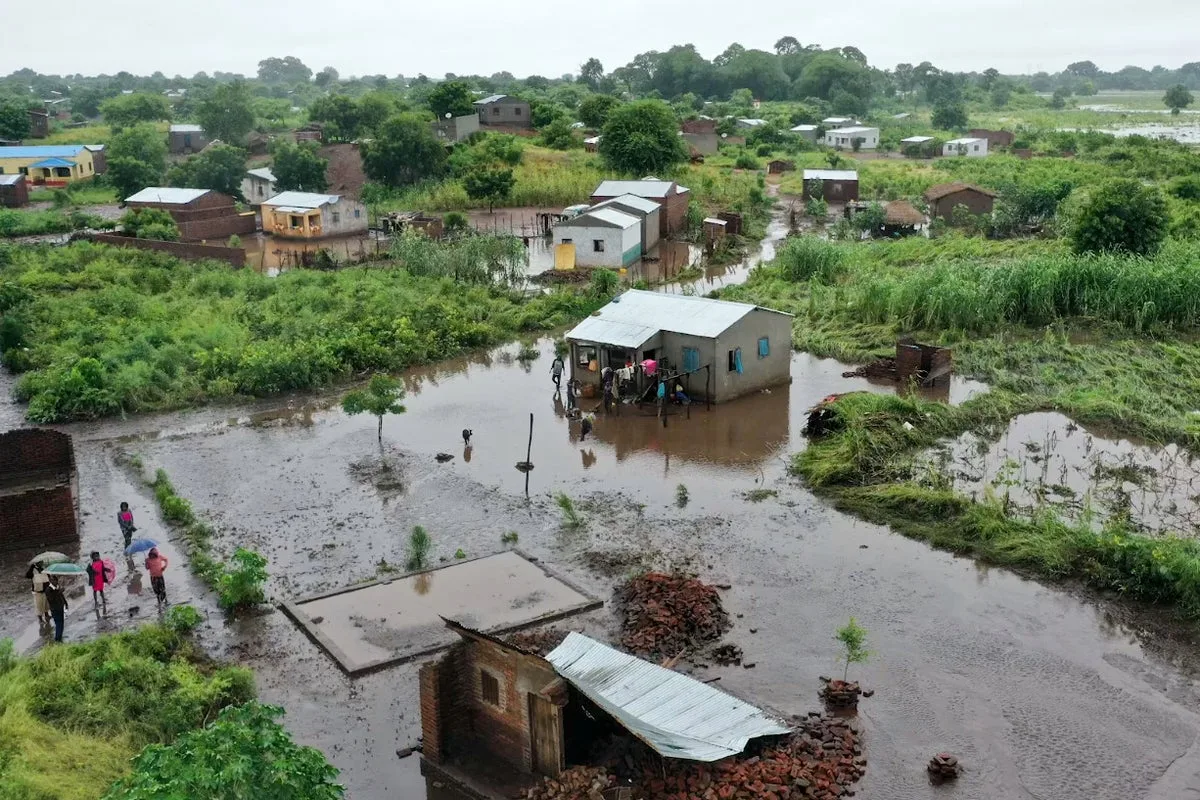
Catastrophic flooding triggered by weeks of torrential rain has left more than 100 people dead across southern Africa, with authorities warning on Friday that further severe weather is expected to lash the region.
Nations Grapple with Mounting Death Toll and Destruction
In South Africa, at least 19 fatalities have been reported in the northern Limpopo and Mpumalanga provinces following relentless downpours that began last month. The iconic Kruger National Park has been forced to close, with helicopters evacuating approximately 600 tourists and staff members from flooded camps to safer, higher ground within the vast reserve.
South African President Cyril Ramaphosa, who visited stricken areas in Limpopo on Thursday, described scenes of utter devastation. He stated the province had been deluged with around 400 millimetres of rain in less than a week. "There are 36 houses that have just been wiped away from the face of the Earth. Everything is gone ... the roofs, the walls, the fences, everything," he said of one district.
The situation is particularly dire in neighbouring Mozambique. The country's Institute for Disaster Management and Risk Reduction confirmed 103 deaths in an unusually severe rainy season that started late last year. Fatalities resulted from a combination of drowning, electrocution by lightning, collapsing infrastructure, and a cholera outbreak. The World Food Programme (WFP) reports over 200,000 people affected in central and southern regions, with tens of thousands facing evacuation.
In Zimbabwe, the national disaster agency said 70 people have died since the start of the year, with more than 1,000 homes destroyed. Critical infrastructure, including schools, roads, and bridges, has also collapsed under the force of the floods.
Regional Emergency and Climate Warning
The crisis is widespread, with flooding also impacting Madagascar, Malawi, and Zambia. Authorities in Madagascar reported 11 flood-related deaths since late November. The United States' Famine Early Warning Systems Network indicated flooding has been reported or is anticipated in at least seven nations across the region.
Meteorologists have linked the extreme rainfall to the La Nina weather phenomenon, which is known to bring heavy precipitation to parts of southeastern Africa. This disaster follows a pattern of increasingly volatile weather for the region, which has recently endured devastating cyclones and crippling droughts.
The humanitarian and economic consequences are severe. The WFP highlighted that in Mozambique alone, more than 70,000 hectares of crops—including vital staples like rice and corn—have been waterlogged. This threatens to worsen food insecurity for thousands of small-scale farmers who depend on their harvests.
Ongoing Rescue Operations and High Alerts
Emergency responses are underway across the affected countries. The South African National Defence Force deployed helicopters to rescue civilians stranded on rooftops and in trees in the north. One military helicopter also saved border post and police officers trapped at a flooded checkpoint on the frontier with Zimbabwe.
The South African Weather Service has issued a red-level 10 alert, its highest warning, for parts of the country, forecasting more heavy rain and flooding that poses a significant threat to life and could cause extensive damage to infrastructure. With rivers bursting their banks and more rain forecast, the region braces for further challenges in the days ahead.