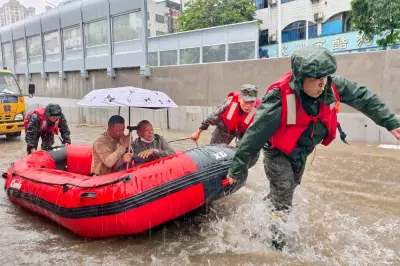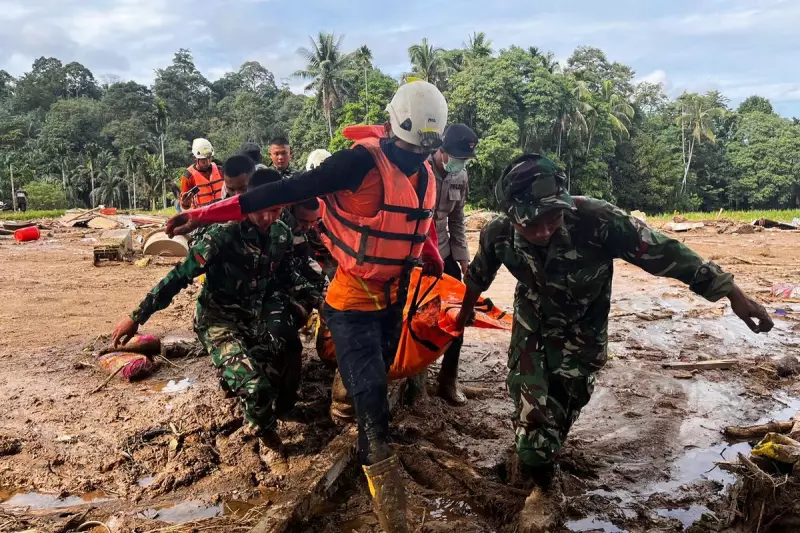
Authorities across Southeast and South Asia are engaged in a critical race against time as recovery and aid efforts accelerate in the wake of devastating floods and landslides. The full scale of the disaster is still emerging, with the number of dead and missing continuing to rise after a week of torrential rains.
Nations Grapple with Mounting Casualties and Widespread Damage
The human cost of the severe weather is staggering. Official figures released by authorities confirm at least 469 fatalities in Indonesia, 162 in Thailand, and 334 in Sri Lanka. The situation remains fluid, with the true toll expected to climb as isolated communities are reached.
In Thailand, the crisis has centred on the country's southern region. Prime Minister Anutin Charnvirakul detailed government recovery and compensation plans on Saturday. According to the Department of Disaster Prevention and Mitigation, severe flooding across 12 southern provinces has impacted more than 1.4 million households and 3.8 million people.

Sri Lankan officials reported on Monday that rescuers are still searching for 370 individuals who remain missing. The intense downpours, which primarily battered the central tea-growing hill country, caused widespread flooding of homes, roads, and agricultural land, and triggered deadly landslides. The disaster has forced nearly 148,000 people into temporary shelters.
Logistical Challenges and Leadership Response
The scale of the destruction has severely hampered relief operations. In Indonesia, some affected areas on Sumatra island were still unreachable on Monday due to damaged roads and severed communication lines. Residents in these cut-off zones are relying on aircraft for essential supplies. The National Disaster Management Agency stated that flooding has displaced 290,700 people across North Sumatra, West Sumatra, and Aceh provinces.
Indonesian President Prabowo Subianto visited North Sumatra on Monday, with plans to tour West Sumatra and Aceh, pledging to rebuild critical infrastructure. He confirmed that 474 people were still missing as of Monday following the floods and landslides that have left thousands homeless. "We need to confront climate change effectively," President Prabowo stated. "Local governments must take a significant role in safeguarding the environment and preparing for the extreme weather conditions that will arise from future climate change."
A Long Road to Recovery Ahead
As the immediate rescue phase continues, the focus is increasingly shifting to the monumental task of long-term recovery. The widespread damage to homes, livelihoods, and infrastructure across three nations indicates a protracted and costly rehabilitation process. The international community is likely to be called upon for support as these countries assess the full economic and social impact of the calamity.
The disaster underscores the acute vulnerability of the region to extreme weather events, putting a stark spotlight on the urgent need for enhanced disaster preparedness and climate adaptation strategies at both local and national levels.