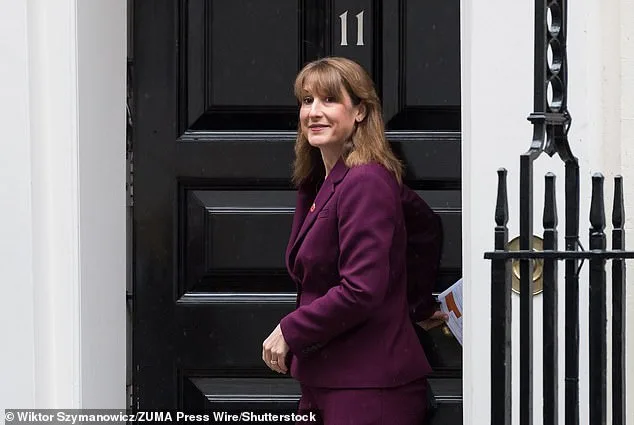
Chancellor Rachel Reeves is facing a 'credibility crisis' after she dramatically reversed her stance on hiking income tax in the upcoming Budget, despite weeks of heavy hints and tough talk. Markets have responded by heaping risk premium on UK government borrowing, with interest rates on gilts spiking in early trading.
The U-turn followed an open Labour revolt against breaking the election manifesto, with Downing Street reportedly panicking about Keir Starmer's own survival. Government sources insisted the change was due to slightly less bleak forecasts from the Office for Budget Responsibility, with stronger wage revenues partly offsetting a grim productivity downgrade.
However, the Institute for Fiscal Studies suggested Ms Reeves might have 'talked up' the income tax increase last week to temporarily drive down gilt yields, improving the backdrop for her Budget. She still needs to close a fiscal gap of up to £40bn by November 26, having committed to rebuilding 'headroom' wiped out by jettisoning policies such as benefits cuts.
Economists have voiced alarm that she will now look at a 'smorgasbord' of smaller tax increases, including a new gambling levy, higher taxes on expensive properties, and per-mile charges for electric vehicles. Extending the freeze on tax thresholds for another two years could raise billions by dragging millions more people into higher tax brackets.
Treasury sources did not categorically deny the possibility of cutting tax thresholds in cash terms, acknowledging that 'final decisions still have to be taken'. Analysts warned the UK could face a 'credibility shock' after the maelstrom of infighting and public contradictions, with even Labour's favourite think-tank branding the situation 'not normal'.