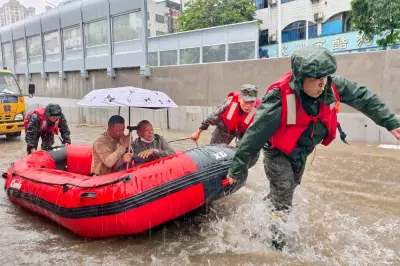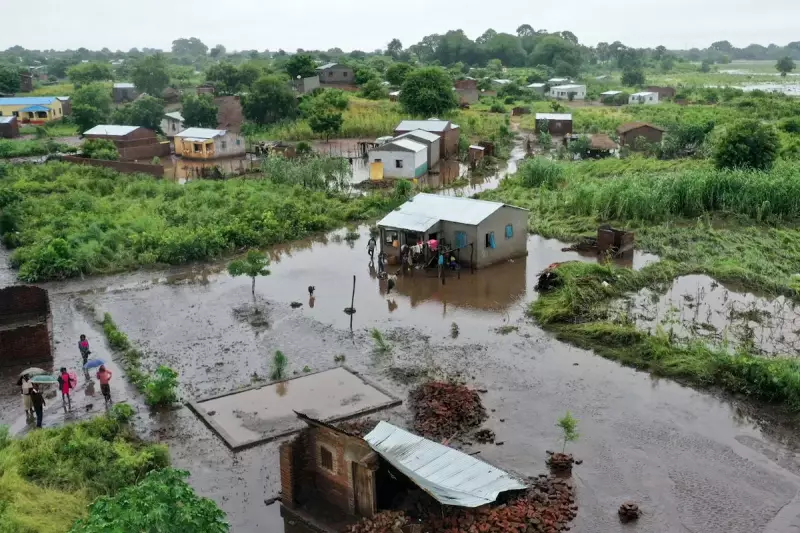
Torrential rains and devastating floods across southern Africa have unleashed a dual threat in Mozambique, where rising waters are pushing dangerous crocodiles into submerged towns while simultaneously crippling the nation's healthcare system. The catastrophic weather event has now claimed over 100 lives across Mozambique, South Africa, and Zimbabwe, with authorities confirming that at least three of Mozambique's thirteen flood-related deaths were caused by crocodile attacks.
Crocodiles Invade Urban Centres
In the severely affected town of Xai-Xai, the provincial capital of Gaza province, officials have issued urgent warnings to residents about heightened crocodile risks as floodwaters continue to spread. The Limpopo River, which flows from South Africa through Mozambique into the Indian Ocean, has overflowed its banks, connecting with urban areas and enabling crocodiles to enter populated zones that are now underwater.
"The river levels are rising and are reaching urban areas or heavily populated areas," explained Paola Emerson, head of the U.N. Office for the Coordination of Humanitarian Affairs in Mozambique, during a recent visit to the region. "So the crocodiles that are in the Limpopo river in this case are able to get into populated areas that are now submerged under water and that is the concern."

Fatal Encounters and Widespread Danger
Earlier this month, a particularly tragic incident in the Gaza region left two people dead and three others injured in a crocodile attack. In a separate occurrence in Moamba, a small town in Maputo province, local media reported that a man was "swallowed" by a crocodile, according to provincial secretary Henriques Bongece.
Authorities in Maputo believe the crocodiles have been driven into the area by floodwaters originating from a park in neighbouring South Africa. Bongece emphasised the pervasive danger, stating: "We want to urge everyone not to approach still waters because crocodiles are drifting in these waters. The rivers have connected with all areas where there is water."
Deepening Humanitarian Catastrophe
Beyond the immediate wildlife threat, the floods have triggered a rapidly worsening humanitarian crisis affecting more than 700,000 people across Mozambique, with over half being children according to organisations including the World Food Program and UNICEF. Weeks of relentless rainfall, exacerbated by controlled dam releases to prevent structural failures, have devastated vast agricultural lands, destroying crops that millions of small-scale farmers depend upon for sustenance.
Healthcare System Collapse
The World Health Organization issued a stark warning on Friday about severe disruptions to health services in Gaza and Maputo provinces, where at least 44 health facilities have been destroyed or damaged. This infrastructure collapse has left tens of thousands without access to medical care, with more than 50,000 displaced people in temporary shelters facing limited or non-existent basic health services.
The U.N. agency highlighted that damage to critical infrastructure has interrupted essential service delivery, creating life-threatening situations for displaced individuals requiring long-term medication. Urgent action is needed to restore basic services, deploy mobile health teams, and ensure continuity of care for people with chronic conditions across the affected regions.
Regional Impacts and Future Threats
Across Mozambique, South Africa, and Zimbabwe, humanitarian agencies report escalating risks of hunger and disease outbreaks. The destruction of agricultural land threatens food security for millions, while the looming threat of water-borne diseases such as cholera adds another layer of complexity to an already dire situation. The flooding has caused extensive damage to roads, bridges, schools, and healthcare facilities, creating challenges for both immediate relief efforts and long-term recovery.
As climate patterns continue to produce extreme weather events across southern Africa, this crisis underscores the vulnerability of communities to environmental disasters and the complex challenges that emerge when natural habitats intersect with human settlements during catastrophic flooding events.