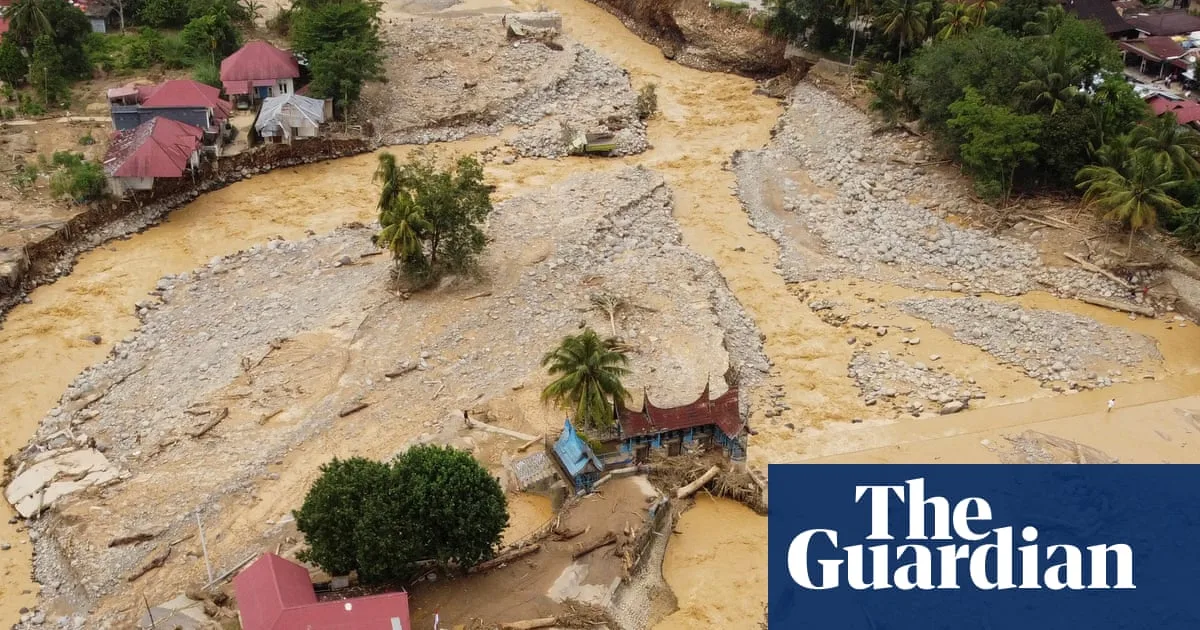
The death toll from severe flooding across several Asian countries has surpassed 1,100, with Sri Lanka and Indonesia deploying military personnel to assist in rescue and relief efforts. Millions of people have been affected by the combination of tropical cyclones and heavy monsoon rains in Sri Lanka, parts of Indonesia’s Sumatra, southern Thailand and northern Malaysia.
In Indonesia, at least 604 people have died and 464 remain missing, according to the national disaster agency. Sri Lanka reports 366 fatalities with an equal number missing, while Thailand has recorded 176 deaths. Malaysia has reported three deaths. The flooding is the deadliest natural disaster in Indonesia since the 2018 earthquake and tsunami that killed more than 2,000 people in Sulawesi.
Indonesian President Prabowo Subianto, during a visit to North Sumatra on Monday, said “the worst has passed, hopefully,” and confirmed that three warships, two hospital ships and aircraft have been dispatched to carry aid to the worst-affected areas. Rescue efforts have been hampered by blocked roads, collapsed bridges and disrupted communications, with some areas completely cut off.
Sri Lanka has declared a state of emergency and appealed for international aid after Cyclone Ditwah forced the evacuation of 148,000 people to temporary shelters. Flood waters in the capital, Colombo, peaked overnight, and with the rain stopping, there is hope waters will recede. President Anura Kumara Dissanayake vowed to rebuild, calling it “the largest and most challenging natural disaster in our history.”
In Thailand, Deputy Prime Minister Thamanat Prompow visited Hat Yai on Monday and ordered restoration of water and electricity services. Residents have been urged to apply for government compensation of 9,000 baht (£215) and an interest-free loan of 100,000 baht. Meanwhile, the international charity Save the Children reported that at least 1,000 schools have been damaged and closed in Sumatra, Indonesia, disrupting the education of tens of thousands of children.