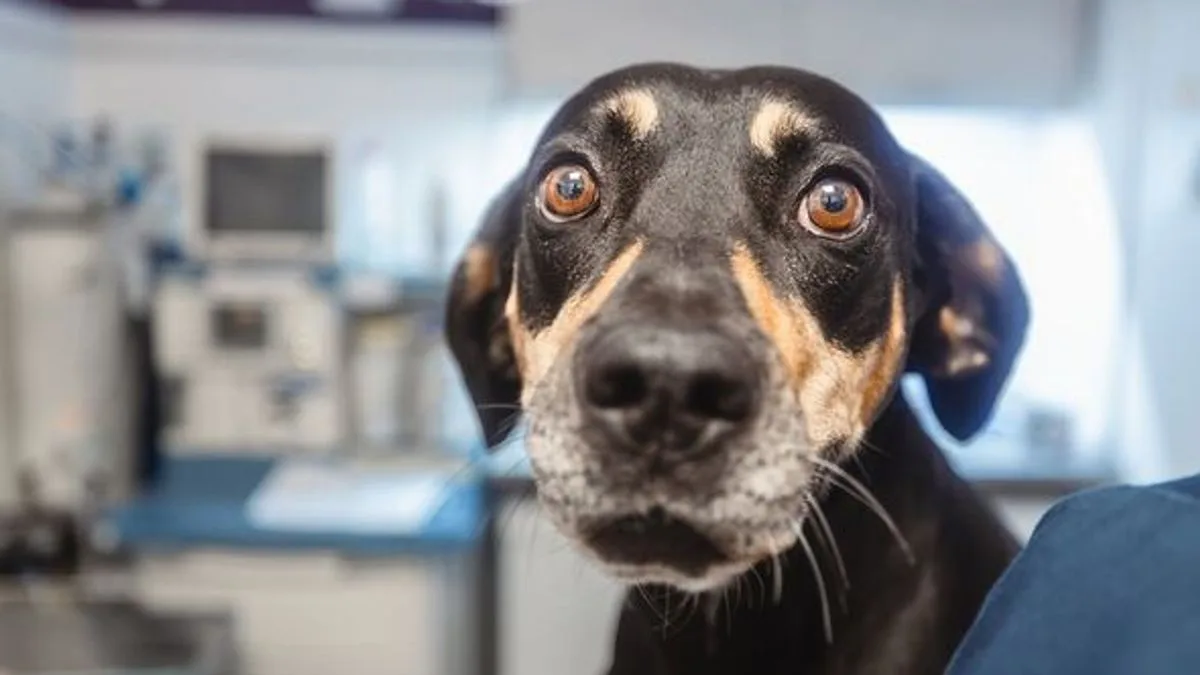
An experienced veterinary nurse has revealed the two dog breeds she finds surprisingly easy to work with in clinical settings, offering valuable insights for prospective pet owners and animal care professionals alike.
Unexpected Breeds Praised for Their Temperament
Eve Moorhouse, a veterinary nurse with extensive hands-on experience and four dogs of her own, has taken to social media platform TikTok to share her professional observations about canine behaviour in veterinary environments. Her revelations might surprise many dog enthusiasts who typically associate easier handling with smaller breeds.
The Gentle Giants That Stand Out
Irish Wolfhounds and Great Danes have emerged as Moorhouse's top picks for cooperative patients. "They are normally so unfazed by everything because they are around the same size as you," she explained in her video presentation. This physical parity appears to contribute significantly to their calm demeanour during medical procedures.
The veterinary nurse provided specific examples of their remarkable tolerance: "I've taken bloods from them by myself just stood there... in big pipelines in their legs and they just don't care." Moorhouse further characterised these breeds as "pretty lazy" and "gentle giants," highlighting their generally placid nature even in potentially stressful clinical situations.
Practical Challenges of Giant Breeds
While praising their temperament, Moorhouse acknowledged the practical difficulties that come with treating such large animals. "I've seen it before where they don't fit on the operating table!" she revealed, describing scenarios where veterinary staff have needed to combine two operating tables and involve six team members to accommodate these substantial patients.
She offered a balanced professional summary: "So in terms of operations, maybe gigantic dogs aren't the easiest to work with. However, temperament-wise, they normally are." This distinction between procedural logistics and behavioural cooperation provides a nuanced perspective for both veterinary professionals and potential owners.
Social Media Validation from Experienced Owners
The response from TikTok users provided substantial anecdotal support for Moorhouse's professional observations:
- One commenter shared: "So true, I had an Irish Wolfhound as a child growing up. He was the gentlest most chilled dog."
- A Great Dane owner reported: "He absolutely adores all the staff at our vets and just lets them get on with whatever they need to do. He just sits there and gives them his paw when he needs a cannula put in."
- Another user described their Great Dane-Pointer cross: "She will let vets do anything. Always good as gold and doesn't even know when they do her jabs."
The Training Factor in Veterinary Cooperation
An interesting question emerged about whether show dogs, with their specific handling training, might demonstrate better cooperation in veterinary settings. Moorhouse confirmed this correlation, noting: "Yes definitely, I don't see that many show dogs in any general practices I've worked for. But the ones I have seen are a lot better."
She further observed that owners of show dogs typically possess superior experience in controlling their pets, which contributes positively to veterinary interactions. This insight highlights how owner education and training can significantly impact a dog's behaviour during medical care.
Moorhouse's professional perspective offers valuable guidance for prospective dog owners considering larger breeds, while providing veterinary professionals with breed-specific behavioural insights that could improve clinical experiences for both animals and caregivers.