Deadman's Island, a remote marshland off the Kent coast, is revealing its grim history as erosion exposes centuries-old coffins and human bones. The island, located in The Swale opposite Queenborough on the Isle of Sheppey, was used as a burial ground for convicts, sailors, and prisoners of war from the 1600s to the 1800s. Many died from typhoid, cholera, or plague aboard prison hulks moored nearby.
The island, measuring roughly 1,200 by 200 metres, is owned by Natural England and closed to the public. Despite its macabre past, it is a protected habitat for rare birds and marshland flora. However, rising sea levels and natural erosion have accelerated the exposure of remains, with over 200 sets visible in 2016 alone.
Local folklore has long spoken of the site, but the reality is darker. Trevor Mason, 60, who runs a social media page about the island, explained that an Act of Parliament designated the area as a quarantine zone for ships from the Baltic and Africa. Ships suspected of carrying disease were held for about 60 days, flying a yellow flag with a black ball. Sailors endured horrendous conditions, unable to go ashore.
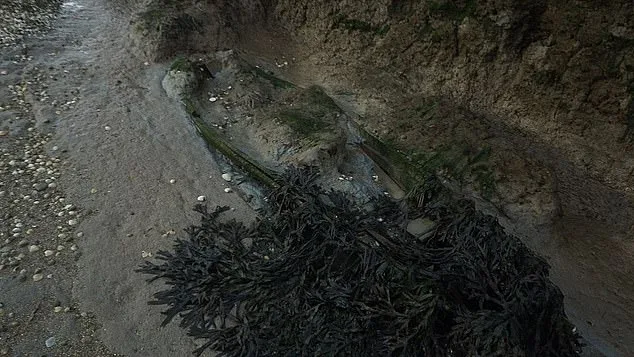
The island's eeriest area, known as Coffin Bay, reveals open caskets and tangled bones at low tide. A BBC crew that visited in 2017 described it as like a horror film set. Director Sam Supple said: 'It looks so surreal, it's like an art department has designed it. There are open coffins and bones everywhere.'
An archaeologist warned Mason that some graves might still harbour dangerous pathogens preserved in the mud. Many of those buried are believed to be French prisoners from the Napoleonic Wars and British convicts awaiting transportation. The burials span from the late 1600s to the mid-1800s, with names and graves unrecorded.