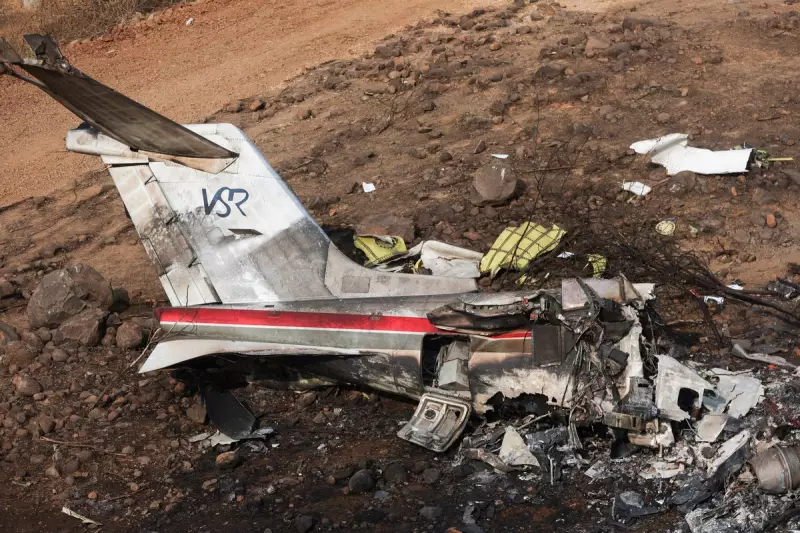
The pilot of a private aircraft that crashed in India, resulting in the tragic deaths of senior state official Ajit Pawar and four other individuals on board, issued a critical warning mere minutes before the fatal incident occurred.
Details of the Fatal Flight
The Learjet 45 was en route from India's financial capital of Mumbai to Baramati, the home city of Ajit Pawar, when it crash-landed and burst into flames in an open field near the runway. The crash site is located approximately 254 kilometers (159 miles) from Mumbai, as reported by Reuters.
Investigation into the Crash
Local media sources have suggested that poor visibility may have been a contributing factor to the disaster. However, the exact cause remains under active investigation by India's Aircraft Accident Investigation Bureau to determine the full circumstances surrounding the crash.

Challenges at Baramati Airfield
Baramati is classified as an uncontrolled airfield, meaning it lacks a dedicated air traffic control tower. Instead, traffic information is typically provided by instructors from nearby flying training organisations, which can pose additional risks in adverse weather conditions.
Communication Before the Landing Attempt
According to statements from the Ministry of Civil Aviation, the aircraft crew inquired about wind conditions and visibility prior to attempting their landing. The crew initially reported that the runway was not visible, despite calm winds and visibility being around 3,000 meters at the time.
Condolences and Aftermath
Indian Prime Minister Narendra Modi expressed his heartfelt condolences following the crash, describing Ajit Pawar, who served as the deputy chief minister of India's western Maharashtra state, as a dedicated and committed public servant who will be deeply missed.
This tragic event has highlighted ongoing concerns about aviation safety in India, particularly at smaller, uncontrolled airfields, and underscores the importance of thorough investigations to prevent future incidents.