EES Rollout and Basic Requirements
The European Union's Entry/Exit System (EES) has been in force since April 2024 across the Schengen Area, including popular holiday destinations such as Spain, France, Greece, and non-EU countries Iceland, Norway, Liechtenstein, and Switzerland. Under the EES, third-country nationals, including British travellers, must provide biometric data—a photograph and fingerprints—and have their passport scanned. This creates a digital record valid for three years, replacing traditional passport stamping.
What Families with Children Need to Know
Children under the age of 12 are exempt from providing fingerprints but must still have their photograph taken and details recorded. Families with small children will be directed to separate queues at manned kiosks rather than electronic self-service kiosks. Children aged 12 and over must undergo the full EES process, including both fingerprints and photographs. Most EES checks occur at the destination country upon arrival and departure, but those travelling from London St Pancras, the Eurotunnel at Folkestone, or the Port of Dover will complete the EES before leaving the UK, as these are official EU border crossing points.
Potential Delays and Advice for Travellers
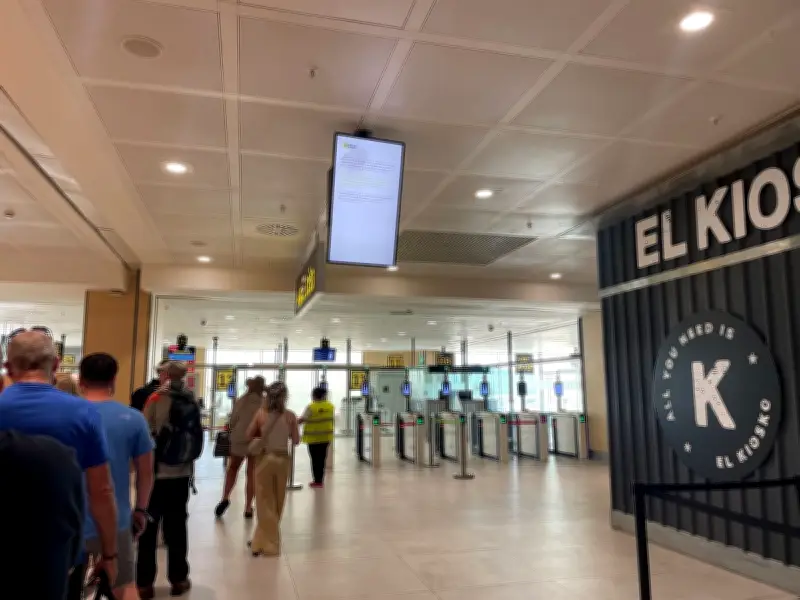
Since its launch, the EES has faced challenges, with lengthy queues reported at many EU airports. As the peak summer travel season approaches, travellers are warned of possible longer waits at the border. The UK government advises allowing plenty of time to arrive at the airport, monitoring departure information closely, and bringing water, snacks, and activities to keep children occupied. Under current EU guidance, airports can suspend the EES if queues become excessively long. However, Airports Council International called for greater flexibility ahead of the summer period, though no changes have been announced yet.