A dramatic rescue bid for a London-based broadband provider burdened with approximately £300 million in debt has been derailed by an unexpected adversary: rats chewing through critical fibre-optic cables. G.Network, an alternative network provider offering internet packages from as little as £25 per month, entered administration on January 12th following the accumulation of substantial financial liabilities.
Infrastructure Vulnerabilities Exposed
The company had invested millions installing its own dedicated fibre-optic infrastructure across the capital, aiming to compete directly with industry giants like Openreach and Virgin Media by delivering high-speed gigabit broadband services. However, its strategic choice of installation method created a significant vulnerability.
Failed Acquisition Talks
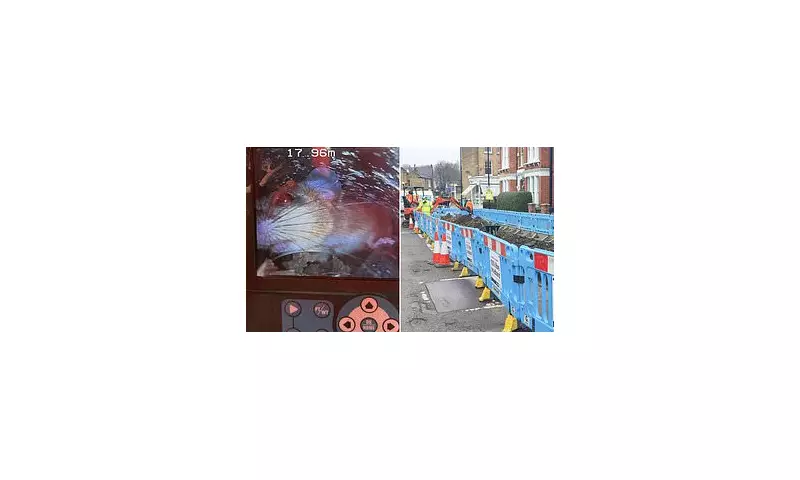
Community Fibre, a rival alternative network firm, had been actively considering acquiring the struggling company. The potential rescue deal ultimately collapsed after due diligence revealed extensive rodent damage to G.Network's cable network. Community Fibre's chief executive, Graeme Oxby, confirmed his firm withdrew from the bid, citing the "quite expensive fix" required to address the structural issues caused by the pests.

Oxby explained to The Telegraph: "Rodents like ducts and they like fibres which are very tasty. It's not something we've been particularly interested in because we think it's got quite a lot of structural issues and would be quite an expensive fix."
Costly Installation Decisions
G.Network's infrastructure strategy differed markedly from its competitors. While rivals like Openreach and Virgin Media typically bury cables beneath pavements—making repairs more straightforward and less disruptive—G.Network opted against using Openreach's existing pavement ducts through physical infrastructure access agreements.
Instead, the company chose to excavate roads directly, a significantly more expensive installation method. This decision created a compounding problem: any rodent damage repair would necessitate digging up roads all over again, incurring prohibitive costs that ultimately made the rescue bid financially unviable.
Rodent Attraction to Broadband Infrastructure
The phenomenon of rodents damaging broadband cables is not unique to G.Network. Industry players like Openreach have long contended with similar issues, implementing measures such as sealing broadband ducts to deter pests. Rodents are particularly drawn to these environments for several reasons:
- Broadband ducts provide ideal nesting spaces offering shelter and warmth
- The cable materials themselves are frequently incorporated into nests
- The super-thick cable housings serve as perfect gnawing material to maintain dental health
Wider Industry Implications
This incident highlights a growing challenge for fibre broadband providers as they expand networks to replace aging copper wire infrastructure. The transition from traditional ADSL internet services to modern fibre-optic networks appears to be creating new vulnerabilities to rodent interference.
Recent examples demonstrate the widespread nature of this problem. In November, approximately 100 households in Askern, Doncaster, experienced internet outages after rodent damage to cables, prompting local MP Ed Miliband to contact Openreach for explanations. Similarly, in 2023, the Hertfordshire market town of Tring faced telecommunications disruptions when engineers discovered a rat's nest, requiring 650 metres of cabling to be rerouted to avoid disturbing the pests.
Customer Impact and Company Status
Despite its financial challenges and infrastructure vulnerabilities, G.Network continues to serve its customer base. The company's infrastructure covers approximately 420,000 homes, though it had only around 25,000 paying customers when administrators Alvarez & Marsal Europe were appointed earlier this month.
In an official statement, the administrators confirmed: "The company will continue to trade as normal, with its services being delivered to existing and new customers. The company benefits from a robust network and a strong customer base. The administrators do not anticipate that there will be any adverse impact on customers."

Community Relations Challenges
G.Network's installation methods created additional complications beyond rodent vulnerability. The company's practice of digging up London roads—even marketing itself with the slogan "Fantastic news, we're digging up your street"—generated significant local discontent.
During pandemic lockdowns, residents complained bitterly about all-day pneumatic drilling disrupting their work-from-home arrangements. One Camden resident told the Camden New Journal: "Everyone is working from home and having to listen to this all day. I'm already going mad. The vibration is shaking our kitchen."
The combination of expensive installation methods, rodent vulnerability, and community disruption created a perfect storm that ultimately contributed to the company's financial difficulties and the collapse of its potential rescue deal.