The Dramatic Decline of Freeview Viewership
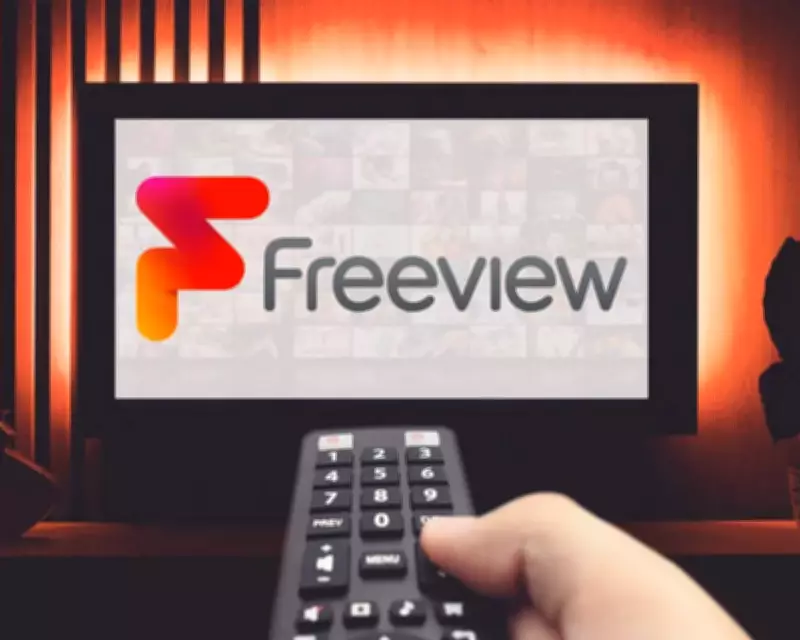
In 2012, almost 12 million households across the United Kingdom tuned into television via Freeview, the free-to-air digital terrestrial service. Today, that number has plummeted dramatically to a mere 2 million homes. This stark decline highlights a seismic shift in how Britons consume media, driven by the widespread adoption of broadband, smart TVs, and streaming platforms like Netflix.
A Platform at a Crossroads
For nearly a quarter of a century, Freeview has provided access to major broadcasters such as the BBC, ITV, Channel 4, and Channel 5 at no cost, reaching over 16 million homes and 10 million main sets. Despite its extensive reach, the very broadcasters that own it through Everyone TV are now advocating for its shutdown as early as 2034. They cite changing viewer habits, with more people opting for internet-based services over traditional aerial access.
Vulnerable Viewers at Risk
Campaigners argue that millions of individuals, particularly older, disabled, or low-income households, still depend on Freeview. Lynette, an 80-year-old from Kent, describes the service as "essential" and expresses frustration with streaming alternatives, noting the complexity of apps and accounts. She is among nearly 100,000 signatories to a "save Freeview" petition by Silver Voices, fearing that a switch-off could disenfranchise those who cannot afford or navigate online options.

Reports from the Department for Culture, Media and Sport (DCMS) and Ofcom estimate that by 2035, 1.8 million homes will still rely on Freeview. These households are more likely to be:
- Disabled or older adults
- Living alone or female
- Located in northern England, Wales, Scotland, or Northern Ireland
Broadcasters Push for an Internet-Only Future
The public service broadcasters (PSBs) have united around a proposal to phase out digital terrestrial television (DTT) by 2034, coinciding with the renewal of contracts with network operator Arqiva. They argue that with Freeview usage forecast to drop below 2 million homes, advertising revenues will no longer justify the broadcasting costs. Ofcom has identified a "tipping point" in the coming years when DTT becomes commercially unviable.
Challenges and Concerns
However, transitioning to internet-only TV raises significant issues:
- Emergency broadcasts: Questions remain about whether online systems can reliably deliver critical updates, such as those during the Covid pandemic.
- Cost implications: The radio industry warns that without PSBs sharing distribution costs, some stations might close due to soaring expenses.
- Digital inclusion: Without support, 700,000 households may lack broadband by 2035, exacerbating the digital divide.
Learning from Past Transitions
The digital switch-over from analogue TV in 2012 faced similar fears of a "TV blackout chaos" for vulnerable viewers. A government-led help scheme, including ads featuring a robot voiced by Matt Lucas, ensured a smooth transition. Today, Tim Davie, the BBC's outgoing director general, has stated the corporation should not fund a similar scheme for Freeview's demise.
The Rise of Streaming and Silicon Valley Rivals
As the debate intensifies, Silicon Valley giants like YouTube are poised to benefit. In December, YouTube viewership in the UK surpassed the BBC's combined channels for the first time, according to Barb data. A senior TV executive warns that YouTube could emerge as the "winner" in the shift to internet TV, much like Sky did in the satellite era.
With the DCMS set to deliver its verdict soon, the future of Freeview hangs in the balance. Options include upgrading its ageing technology, maintaining a limited service, or a phased switch-off. The outcome will shape not only television access but also the broader media landscape in the UK.