During a tour of the National Air and Space Museum in January 2026, a visitor asked: “Why has it taken so long to return to the Moon?” Despite NASA having the technology to land humans on the lunar surface over 50 years ago during the Apollo programme, returning has proved far more complex than many assume.
New technologies require years of study, development and testing before they can be certified for flight. Systems and materials can behave unexpectedly, as seen with Boeing’s Starliner CFT mission and the Orion heat shield on Artemis I. Issues with Starliner’s thrusters led NASA to return the spacecraft from the International Space Station without its crew, while chipping of the Orion heat shield resulted in years of research and altered reentry plans for Artemis II.
NASA’s programmes also require sustained political will and financial support across multiple presidential administrations and Congresses. In early 1970, President Richard Nixon reduced NASA’s budget, leading to the cancellation of three planned Apollo missions. NASA repurposed Saturn V hardware to create Skylab, the first US space station, and later developed the space shuttle programme, which supported satellite deployment and microgravity research.

The space shuttle facilitated the construction of the International Space Station, with the first modules launching in 1998. As the new millennium approached, the Clinton administration asked NASA to consider destinations beyond low Earth orbit. Following the Columbia disaster in 2003, President George W. Bush’s Vision for Space Exploration in 2004 directed NASA to retire the shuttle and return humans to the Moon using a new crew exploration vehicle.
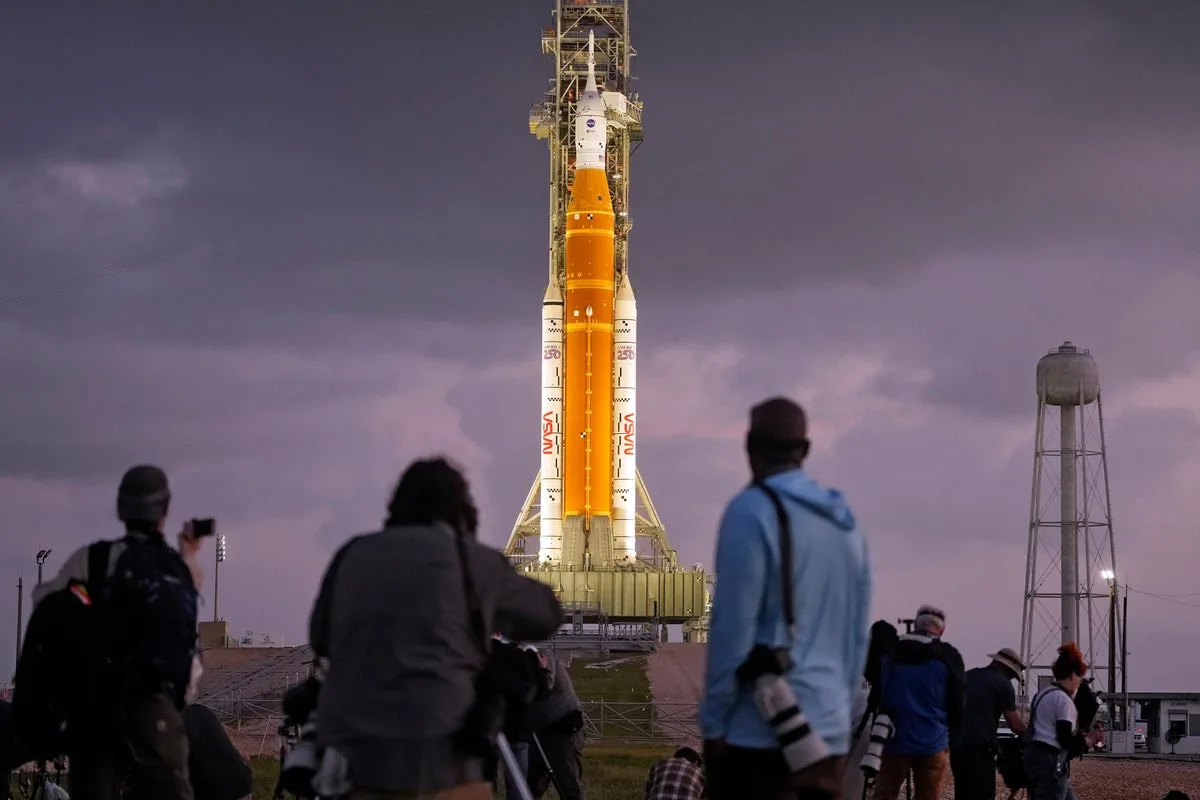
NASA is now on the eve of Artemis II, the first crewed flight to the Moon since Apollo. A crew of four will conduct a lunar flyby, with a landing planned for Artemis IV. The story of returning to the Moon demonstrates the complexities of turning grand ambitions into real missions.